

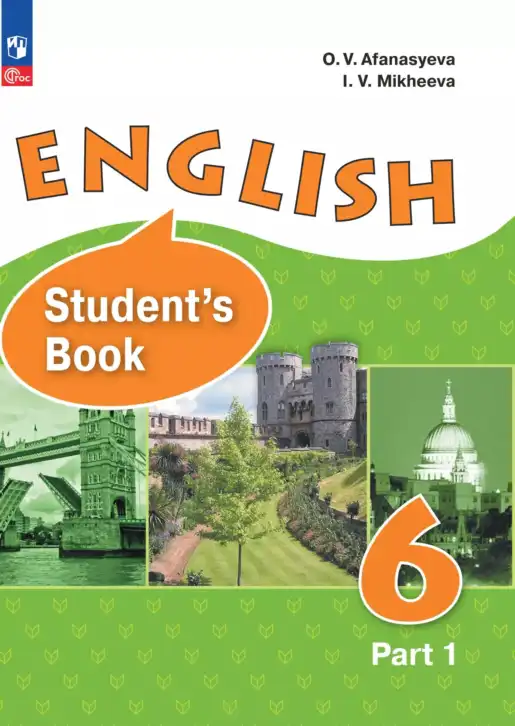
Учебник Английский язык Углубленный уровень для 6 класса от автора О.В. Афанасьевой и И.В. Михеевой – это популярное пособие, входящее в линейку УМК «Rainbow English». Он предназначен для детей, только начинающих изучать английский, и помогает сделать первые шаги в языке увлекательными и эффективными.
ГДЗ по Английскому языку 6 Класс Часть 2 Страница 90 Углубленный Уровень Афанасьева, Михеева — Подробные Ответы
Try and form compound words.1 Use the following:
weather, green, scraper, maker, lands, land, sun, maker, farm, shine, sky, house, glove, holiday, storm, rain, man, low, wild
Попробуйте образовать составные слова. Используйте следующие слова: weather, green, scraper, maker, lands, land, sun, maker, farm, shine, sky, house, glove, holiday, storm, rain, man, low, wild
Ответ:
weatherman — синоптик
greenhouse — теплица
skyscraper — небоскреб
holidaymaker — отдыхающий
lowlands — низменность
farmland — сельскохозяйственные угодья
sunshine — солнечный свет
rainstorm — ливень
Перевод:
- weatherman (синоптик):
Это слово образовано с помощью сочетания «weather» (погода) и «man» (человек). «Weatherman» — это специалист, который занимается предсказанием погоды. - greenhouse (теплица):
Здесь комбинируются «green» (зеленый) и «house» (дом). «Greenhouse» — это строение, предназначенное для выращивания растений, где поддерживается теплый климат. - skyscraper (небоскрёб):
«Sky» (небо) и «scraper» (счищать, срезать) образуют слово «skyscraper», которое означает очень высокое здание, которое «скребет» небо. - holidaymaker (отдыхающий):
Здесь сочетание «holiday» (праздник, отпуск) и «maker» (создатель) образует слово «holidaymaker», которое обозначает человека, который проводит отпуск или отдыхает. - lowlands (низменность):
«Low» (низкий) и «lands» (земли) дают слово «lowlands», которое означает низкие земли, часто затопляемые или расположенные ниже уровня моря. - farmland (сельскохозяйственные угодья):
Слово образуется из «farm» (ферма) и «land» (земля), и обозначает землю, используемую для сельского хозяйства. - sunshine (солнечный свет):
Составное слово, образованное от «sun» (солнце) и «shine» (светить). «Sunshine» — это солнечный свет, который приходит от солнца. - rainstorm (ливень):
«Rain» (дождь) и «storm» (шторм) составляют слово «rainstorm», которое обозначает сильный дождь с ветром, часто сопровождающийся грозой.
English Explanation:
- weatherman:
This word is formed by combining «weather» and «man». A «weatherman» is a person who predicts the weather, commonly known as a meteorologist. - greenhouse:
Combining «green» and «house,» a «greenhouse» is a structure used for growing plants where the climate is kept warm and controlled. - skyscraper:
Formed by «sky» and «scraper,» a «skyscraper» refers to a very tall building that seems to «scrape» the sky due to its height. - holidaymaker:
Combining «holiday» and «maker,» a «holidaymaker» refers to someone who is on holiday or vacation. - lowlands:
«Low» and «lands» form the word «lowlands,» which refers to areas of land that are lower in elevation, often prone to flooding or near sea level. - farmland:
«Farm» and «land» come together to form «farmland,» which refers to land that is used for farming or agricultural purposes. - sunshine:
Formed by «sun» and «shine,» «sunshine» refers to the light or warmth that comes from the sun. - rainstorm:
«Rain» and «storm» combine to form «rainstorm,» which is a heavy downpour of rain often accompanied by wind and sometimes thunder.
Summary:
Each of these compound words combines two elements to create a new meaning. These examples show how combining simple words, such as «weather» and «man,» or «sun» and «shine,» can result in terms that represent specific ideas or objects. It’s a useful way of expanding vocabulary and understanding the meanings of complex words.
Say: a) what these people had done before noon and b) what had happened by the end of the day. Use the words below.
| Before noon | By the end of the day |
|---|---|
| Example: Ann: to write the letter — Ann had written the letter before noon. | Example: the rain: to stop — The rain had stopped by the end of the day. |
| Bill: to repair his bicycle Nelly: to do her homework Sarah: to dig the garden Tim: to write a story Polly: to cook dinner Sam: to clean his room the children: to plant twenty trees Chris: to lie in the sun | the rainbow: to appear the play: to end the rain: to begin the race: to finish the sky: to clear the concert: to start the storm: to stop the snow: to start |
Скажите: a) что эти люди сделали до полудня и b) что произошло к концу дня. Используйте слова ниже.
Ответ:
a)
Bill had repaired his bicycle before noon. / Билл починил свой велосипед до полудня.
Nelly had done her homework before noon. / Нелли сделала свое домашнее задание до полудня.
Sarah had dug the garden before noon. / Сара вскопала сад до полудня.
Tim had written a story before noon. / Тим написал рассказ до полудня.
Polly had cooked dinner before noon. / Полли приготовила ужин до полудня.
Sam had cleaned his room before noon. / Сэм убрался в своей комнате до полудня.
The children had planted twenty trees before noon. / Дети посадили двадцать деревьев до полудня.
Chris had lain in the sun before noon. / Крис полежал на солнце до полудня.
b)
The rainbow had appeared by the end of the day. / Радуга появилась к концу дня.
The play had ended by the end of the day. / Спектакль закончился к концу дня.
The rain had begun by the end of the day. / Дождь начался к концу дня.
The race had finished by the end of the day. / Гонка закончилась к концу дня.
The sky had cleared by the end of the day. / Небо прояснилось к концу дня.
The concert had started by the end of the day. / Концерт начался к концу дня.
The storm had stopped by the end of the day. / Шторм прекратился к концу дня.
The snow had started by the end of the day. / Снег начался к концу дня.
Перевод:
a) Что эти люди сделали до полудня:
- Bill had repaired his bicycle before noon. / Билл починил свой велосипед до полудня.
В данном предложении «had repaired» (починил) используется в Past Perfect, чтобы показать, что действие (починка велосипеда) завершилось до определенного времени (до полудня). Мы подчеркиваем, что эта работа была сделана раньше, чем наступил следующий важный момент в день (полдень). - Nelly had done her homework before noon. / Нелли сделала свое домашнее задание до полудня.
Здесь также используется Past Perfect (сделала), что подчеркивает завершенность действия до определенного времени. - Sarah had dug the garden before noon. / Сара вскопала сад до полудня.
В этом случае «had dug» (вскопала) в Past Perfect указывает на то, что работа была выполнена до полудня. - Tim had written a story before noon. / Тим написал рассказ до полудня.
«Had written» (написал) также выражает действие, которое было завершено до полудня. - Polly had cooked dinner before noon. / Полли приготовила ужин до полудня.
Здесь «had cooked» (приготовила) также в Past Perfect показывает, что действие было завершено до полудня. - Sam had cleaned his room before noon. / Сэм убрался в своей комнате до полудня.
«Had cleaned» (убрался) используется для того, чтобы показать, что уборка была сделана до полудня. - The children had planted twenty trees before noon. / Дети посадили двадцать деревьев до полудня.
В этом предложении «had planted» (посадили) показывает завершенность действия до полудня. - Chris had lain in the sun before noon. / Крис полежал на солнце до полудня.
В данном случае «had lain» (полежал) в Past Perfect описывает действие, которое было завершено до полудня.
b) Что произошло к концу дня:
- The rainbow had appeared by the end of the day. / Радуга появилась к концу дня.
Здесь «had appeared» (появилась) в Past Perfect говорит о том, что радуга появилась до того, как наступил конец дня. - The play had ended by the end of the day. / Спектакль закончился к концу дня.
«Had ended» (закончился) показывает, что спектакль завершился до конца дня. - The rain had begun by the end of the day. / Дождь начался к концу дня.
В этом предложении «had begun» (начался) в Past Perfect подчеркивает, что дождь начался до конца дня. - The race had finished by the end of the day. / Гонка закончилась к концу дня.
«Had finished» (закончилась) показывает, что гонка была завершена к концу дня. - The sky had cleared by the end of the day. / Небо прояснилось к концу дня.
В этом предложении «had cleared» (прояснилось) указывает на то, что небо стало чистым до конца дня. - The concert had started by the end of the day. / Концерт начался к концу дня.
«Had started» (начался) в Past Perfect указывает на начало концерта до конца дня. - The storm had stopped by the end of the day. / Шторм прекратился к концу дня.
«Had stopped» (прекратился) подчеркивает завершение штормового явления до конца дня. - The snow had started by the end of the day. / Снег начался к концу дня.
В этом случае «had started» (начался) указывает, что снег пошел до конца дня.
English Explanation:
a) What these people had done before noon:
- Bill had repaired his bicycle before noon.
In this sentence, «had repaired» (repaired) is used in the Past Perfect to indicate that the action (repairing the bicycle) was completed before a specific time (noon). It emphasizes that the task was done before the next key event of the day. - Nelly had done her homework before noon.
The use of «had done» (done) in Past Perfect shows that Nelly completed her homework before noon. - Sarah had dug the garden before noon.
«Had dug» (dug) in Past Perfect indicates that Sarah finished digging the garden before noon. - Tim had written a story before noon.
«Had written» (written) shows that Tim had completed the writing of his story before noon. - Polly had cooked dinner before noon.
«Had cooked» (cooked) in Past Perfect indicates that Polly prepared dinner before noon. - Sam had cleaned his room before noon.
«Had cleaned» (cleaned) shows that Sam finished cleaning his room before noon. - The children had planted twenty trees before noon.
«Had planted» (planted) indicates that the children finished planting the trees before noon. - Chris had lain in the sun before noon.
«Had lain» (lain) in Past Perfect indicates that Chris had rested in the sun before noon.
b) What had happened by the end of the day:
- The rainbow had appeared by the end of the day.
«Had appeared» (appeared) in Past Perfect shows that the rainbow appeared before the end of the day. - The play had ended by the end of the day.
«Had ended» (ended) indicates that the play was completed before the end of the day. - The rain had begun by the end of the day.
«Had begun» (begun) indicates that the rain started before the end of the day. - The race had finished by the end of the day.
«Had finished» (finished) shows that the race was completed by the end of the day. - The sky had cleared by the end of the day.
«Had cleared» (cleared) indicates that the sky became clear before the end of the day. - The concert had started by the end of the day.
«Had started» (started) indicates that the concert began before the end of the day. - The storm had stopped by the end of the day.
«Had stopped» (stopped) shows that the storm had ended before the day finished. - The snow had started by the end of the day.
«Had started» (started) indicates that the snow began before the end of the day.
Summary:
The Past Perfect tense is used in both sets of sentences to indicate that the actions were completed before a certain time (before noon or by the end of the day). This helps to show a clear sequence of events and emphasizes that these actions were finished prior to the mentioned points in time.
Look at the pictures and say what Nick and Jane had done by six o’clock on Sunday (the phrases in the word box will help you).
Example: Nick had washed his bicycle by six o’clock.
Nick
- to wash a bicycle
- to bake a cake
- to do the shopping
- to take the dog for a walk
- to hang a picture
- to rescue a fox
- to watch a film
- to look through the magazine
Jane
Посмотрите на картинки и скажите, что Ник и Джейн сделали к шести часам вечера в воскресенье (фразы в рамке вам помогут).
Ответ:
Nick had washed his bicycle by six o’clock. – Ник помыл свой велосипед к шести часам.
Jane had baked a cake by six o’clock. – Джейн испекла торт к шести часам.
Nick and Jane had done the shopping by six o’clock. – Ник и Джейн сходили за покупками к шести часам.
Jane had taken the dog for a walk by six o’clock. – Джейн выгуляла собаку к шести часам.
Nick had hung a picture by six o’clock. – Ник повесил картину к шести часам.
Jane had rescued a fox by six o’clock. – Джейн спасла лису к шести часам.
Nick and Jane had watched a film by six o’clock. – Ник и Джейн посмотрели фильм к шести часам.
Jane had looked through the magazine by six o’clock. – Джейн пролистала журнал к шести часам.
Перевод:
- Nick had washed his bicycle by six o’clock. / Ник помыл свой велосипед к шести часам.
В этом предложении используется Past Perfect (помыл), чтобы показать, что действие (мойка велосипеда) завершилось до определенного времени — к шести часам. Это подчеркивает, что велосипед был уже помыт к моменту, когда наступили шесть часов. - Jane had baked a cake by six o’clock. / Джейн испекла торт к шести часам.
Здесь также используется Past Perfect (испечка торта) для обозначения того, что Джейн завершила приготовление торта к шести часам вечера. - Nick and Jane had done the shopping by six o’clock. / Ник и Джейн сходили за покупками к шести часам.
Это предложение подчеркивает, что они уже завершили поход за покупками к шести часам. «Had done» (сделали) используется для того, чтобы показать завершенность действия до указанного времени. - Jane had taken the dog for a walk by six o’clock. / Джейн выгуляла собаку к шести часам.
«Had taken» (выгуляла) показывает, что действие (выгуливание собаки) было завершено до шести часов вечера. - Nick had hung a picture by six o’clock. / Ник повесил картину к шести часам.
В этом предложении «had hung» (повесил) в Past Perfect означает, что Ник завершил действие (повесить картину) до шести часов. - Jane had rescued a fox by six o’clock. / Джейн спасла лису к шести часам.
«Had rescued» (спасла) указывает на завершение действия (спасение лисы) до шести часов вечера. - Nick and Jane had watched a film by six o’clock. / Ник и Джейн посмотрели фильм к шести часам.
В этом предложении «had watched» (посмотрели) показывает, что они завершили просмотр фильма до шести часов. - Jane had looked through the magazine by six o’clock. / Джейн пролистала журнал к шести часам.
«Had looked through» (пролистала) в Past Perfect указывает на то, что Джейн завершила просмотр журнала до шести часов.
English Explanation:
- Nick had washed his bicycle by six o’clock.
In this sentence, «had washed» (washed) is in the Past Perfect tense to indicate that the action (washing the bicycle) was completed before a specific time — by six o’clock. It emphasizes that the task was done before the clock reached six. - Jane had baked a cake by six o’clock.
«Had baked» (baked) in Past Perfect shows that Jane completed the task of baking a cake by six o’clock in the evening. - Nick and Jane had done the shopping by six o’clock.
This sentence emphasizes that Nick and Jane finished their shopping before six o’clock. «Had done» (done) is used to indicate that the action (shopping) was completed before the specific time. - Jane had taken the dog for a walk by six o’clock.
«Had taken» (taken) indicates that Jane had already walked the dog before six o’clock. - Nick had hung a picture by six o’clock.
In this sentence, «had hung» (hung) in Past Perfect shows that Nick finished the task of hanging a picture before six o’clock. - Jane had rescued a fox by six o’clock.
«Had rescued» (rescued) indicates that Jane completed the action of rescuing a fox before six o’clock. - Nick and Jane had watched a film by six o’clock.
«Had watched» (watched) in Past Perfect shows that Nick and Jane finished watching the film before six o’clock. - Jane had looked through the magazine by six o’clock.
«Had looked through» (looked through) in Past Perfect indicates that Jane completed the action of looking through the magazine before six o’clock.
Summary:
In all these sentences, the Past Perfect tense is used to emphasize that the actions were completed before a specific time (by six o’clock). It highlights the idea that these tasks were finished before another event or moment in time, showing the sequence of events clearly.

Оставь свой отзыв 💬
Комментариев пока нет, будьте первым!