

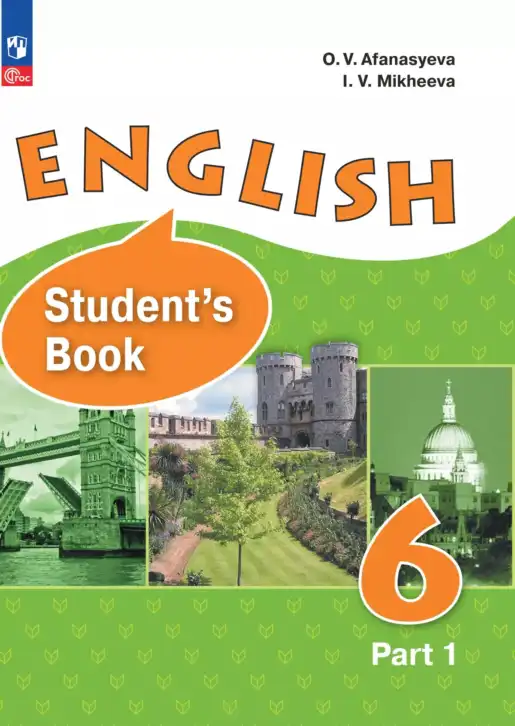
Учебник Английский язык Углубленный уровень для 6 класса от автора О.В. Афанасьевой и И.В. Михеевой – это популярное пособие, входящее в линейку УМК «Rainbow English». Он предназначен для детей, только начинающих изучать английский, и помогает сделать первые шаги в языке увлекательными и эффективными.
ГДЗ по Английскому языку 6 Класс Часть 2 Страница 79 Углубленный Уровень Афанасьева, Михеева — Подробные Ответы
Ann had lived in London for two years. When she returned to Los Angeles, she understood that many things had changed in her city. Say what had changed.
Example: A new school had appeared near her house.
a new school/to appear
her cousins/to grow up
the roads/to become wider
the streets/to become cleaner
the shops/to get more modern
a lot of Japanese cars/to appear
Энн прожила в Лондоне два года. Когда она вернулась в Лос-Анджелес, она поняла, что в ее городе многое изменилось. Скажите, что изменилось.
Ответ:
Her cousins had grown up. / Ее двоюродные братья и сестры выросли.
The roads had become wider. / Дороги стали шире.
The streets had become cleaner. / Улицы стали чище.
The shops had gotten more modern. / Магазины стали более современными.
A lot of Japanese cars had appeared. / Появилось много японских машин.
English Explanation:
The sentences describe changes that had taken place in Los Angeles while Ann was living in London. They use the past perfect tense (had + past participle) to show that these actions or changes were completed before Ann returned. This tense indicates that these changes happened over time while Ann was away. Let’s break down each sentence:
1. «Her cousins had grown up.»
- This means that while Ann was in London, her cousins became older and more mature. The verb «had grown up» shows that the growing process happened before Ann came back to Los Angeles.
2. «The roads had become wider.»
- This indicates that the roads in Los Angeles had expanded and become wider while Ann was away. The use of «had become» emphasizes that this change happened prior to her return.
3. «The streets had become cleaner.»
- This suggests that the streets in Los Angeles had been cleaned and maintained better while Ann was living in London. «Had become» shows that the streets were already cleaner by the time Ann came back.
4. «The shops had gotten more modern.»
- This sentence means that the shops in Los Angeles had been renovated or updated, making them more modern in style or design. The phrase «had gotten more modern» implies that this modernization occurred before Ann’s return.
5. «A lot of Japanese cars had appeared.»
- This indicates that many Japanese cars, likely new models, had become common in Los Angeles during Ann’s time in London. «Had appeared» suggests that the presence of these cars was noticeable by the time Ann returned.
Перевод:
Эти предложения описывают изменения, которые произошли в Лос-Анджелесе, пока Энн жила в Лондоне. Они используют прошедшее совершенное время (had + глагол в третьей форме), чтобы показать, что эти действия или изменения были завершены до того, как Энн вернулась. Это время указывает на то, что изменения происходили в течение её отсутствия. Давайте разберем каждое предложение:
1. «Ее двоюродные братья и сестры выросли.»
- Это означает, что пока Энн была в Лондоне, её двоюродные братья и сестры стали взрослее и более зрелыми. Глагол «выросли» в прошедшем совершенном времени показывает, что этот процесс происходил до того, как Энн вернулась в Лос-Анджелес.
2. «Дороги стали шире.»
- Это значит, что дороги в Лос-Анджелесе расширились и стали шире, пока Энн не была в Лондоне. Использование «стали шире» подчеркивает, что это изменение произошло до её возвращения.
3. «Улицы стали чище.»
- Это говорит о том, что улицы Лос-Анджелеса стали более чистыми и ухоженными, пока Энн жила в Лондоне. «Стали чище» показывает, что изменения уже произошли к моменту её возвращения.
4. «Магазины стали более современными.»
- Это предложение означает, что магазины в Лос-Анджелесе были обновлены или реконструированы, став более современными по стилю или дизайну. Фраза «стали более современными» указывает на то, что модернизация произошла до возвращения Энн.
5. «Появилось много японских машин.»
- Это означает, что многие японские машины стали популярными и повсеместно встречаться в Лос-Анджелесе за время отсутствия Энн. «Появилось» в прошедшем совершенном времени показывает, что присутствие этих машин стало заметным к моменту её возвращения.
Summary in English and Russian:
The sentences describe changes that occurred before Ann returned home from London. The past perfect tense emphasizes that these changes (such as her cousins growing up, the roads becoming wider, and shops getting more modern) were completed during her absence. In both English and Russian, the sentences highlight the differences between Ann’s memory of the city and the reality of her return, showing that time and progress had changed many things in Los Angeles.
a) Read and guess what the underlined words mean.
1. Most of the farmland [‘fɑ:mlænd] in England is in the southeast.
2. Grasslands [‘grɑ:slændz] are good for sheep to feed on.
3. There are few wildlands [‘waildlændz] left in Britain. Most of them are in the north. In the USA people can enjoy the beauty of wild America in parks, forests and wildlands.
4. Our great-grandparents [,greit’grænd,peərənts] are our grandparents’ parents.
5. A canoe [kə’nu:] is an Indian boat.
6. Siberia is famous for its endless [‘endlis] forests.
7. Rivers are used as waterways [‘wɔ:təweiz].
b) Look these words up in your vocabulary to make sure that you have guessed right.
а) Прочитайте и угадайте, что означают подчеркнутые слова. б) Посмотрите эти слова в своем словаре, чтобы убедиться, что вы угадали правильно.
Ответ:
1. farmland — land used for farming. (сельскохозяйственные угодья)
2. Grasslands — large open areas of country covered with grass. (пастбища, луга)
3. wildlands — an uncultivated and uninhabited region. (дикая местность, неосвоенные земли)
4. great-grandparents — the parents of your grandparents. (прабабушки и прадедушки)
5. canoe — a narrow boat with pointed ends, moved using a paddle. (каноэ)
6. endless — having or seeming to have no end or limit. (бесконечный)
7. waterways — routes for travel by water, such as rivers or canals. (водные пути)
English Explanation:
1. Farmland
- Meaning: Farmland refers to land that is used for farming. This could be land for growing crops or raising animals. It is typically an area that is managed and worked to produce food, crops, or livestock.
2. Grasslands
- Meaning: Grasslands are large, open areas of land covered mainly with grass. These areas often support a variety of grasses, herbs, and shrubs. They can be found in many parts of the world and are important habitats for animals.
3. Wildlands
- Meaning: Wildlands are regions of land that are uncultivated, uninhabited, and often not modified by human activity. These areas are typically natural and untouched by human development, like forests, deserts, or mountains.
4. Great-grandparents
- Meaning: Great-grandparents are the parents of your grandparents. They are one generation older than your grandparents and are often considered part of the extended family.
5. Canoe
- Meaning: A canoe is a narrow, lightweight boat that has pointed ends. It is typically paddled by hand, often by a person or a small group. Canoes are used for various water activities, such as traveling on rivers or lakes.
6. Endless
- Meaning: Endless describes something that seems to have no end or limit. It can refer to something that continues indefinitely or feels like it goes on without stopping.
7. Waterways
- Meaning: Waterways are routes for travel by water. These could include rivers, canals, or other bodies of water that allow for the movement of boats, ships, or other watercraft. Waterways are essential for transportation, irrigation, and often for wildlife habitats.
Перевод:
1. Farmland (сельскохозяйственные угодья)
- Значение: Сельскохозяйственные угодья — это земля, используемая для ведения сельского хозяйства. Это может быть земля для выращивания сельскохозяйственных культур или для разведения животных. Обычно такие участки земли обрабатываются для производства продуктов питания, сельскохозяйственных культур или скота.
2. Grasslands (пастбища, луга)
- Значение: Пастбища или луга — это большие открытые территории, покрытые в основном травой. Эти участки земли поддерживают разнообразные травы, травянистые растения и кустарники. Такие земли можно найти во многих частях мира, и они являются важной средой обитания для животных.
3. Wildlands (дикая местность, неосвоенные земли)
- Значение: Дикая местность или неосвоенные земли — это участки земли, которые не обрабатываются и не заселяются людьми. Эти территории обычно естественны, не подвергнуты человеческому воздействию, например, леса, пустыни или горы.
4. Great-grandparents (прабабушки и прадедушки)
- Значение: Прабабушки и прадедушки — это родители ваших бабушек и дедушек. Это поколение старше ваших бабушек и дедушек, и они обычно считаются частью расширенной семьи.
5. Canoe (каноэ)
- Значение: Каноэ — это узкая и легкая лодка с заостренными концами. Она обычно приводится в движение с помощью весла, и ею управляют один или несколько человек. Каноэ используется для различных водных активностей, таких как путешествия по рекам или озерам.
6. Endless (бесконечный)
- Значение: Бесконечный означает не имеющий конца или предела. Это может относиться к чему-то, что продолжается бесконечно или кажется, что не имеет завершения.
7. Waterways (водные пути)
- Значение: Водные пути — это маршруты для передвижения по воде. Это могут быть реки, каналы или другие водоемы, которые позволяют передвигаться на лодках, кораблях или других водных средствах. Водные пути важны для транспортировки, орошения и часто для мест обитания дикой природы.
Summary in English and Russian:
- These words describe various concepts related to nature, travel, and family, and each one is explained in terms of its use and meaning.
- The English and Russian explanations show how each word fits into everyday language, offering both literal meanings and their broader context, such as how farmland is used for agriculture or how waterways are crucial for transportation and wildlife.

Оставь свой отзыв 💬
Комментариев пока нет, будьте первым!