

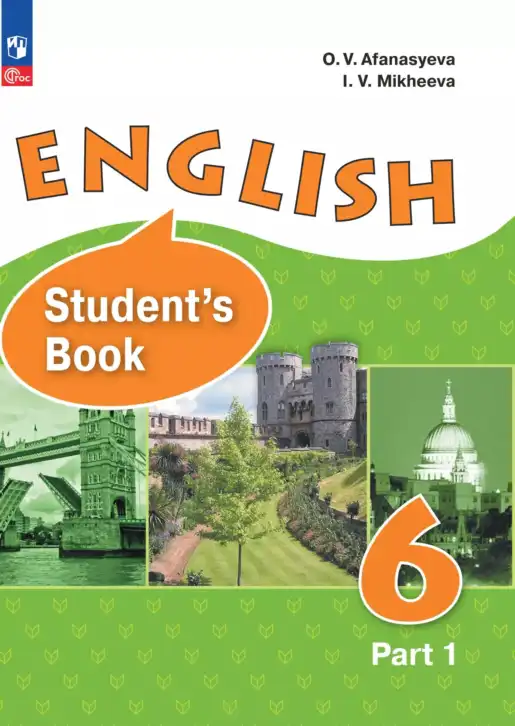
Учебник Английский язык Углубленный уровень для 6 класса от автора О.В. Афанасьевой и И.В. Михеевой – это популярное пособие, входящее в линейку УМК «Rainbow English». Он предназначен для детей, только начинающих изучать английский, и помогает сделать первые шаги в языке увлекательными и эффективными.
ГДЗ по Английскому языку 6 Класс Часть 2 Страница 65 Углубленный Уровень Афанасьева, Михеева — Подробные Ответы
Look through ex. 18 and write what Ann wanted to know about Wales (10 pieces of information).
Example: Ann wanted to know if climbers went to Snowdon in winter.
Просмотрите упр. 18 и напишите, что Энн хотела знать об Уэльсе (10 фрагментов информации).
Пример: Энн хотела узнать, ездили ли альпинисты зимовать.
Ответы:
- Ann wanted to know what could be interesting about Wales.
- Ann wanted to know if Welsh spoke English.
- Ann wanted to know if Wales was different from England.
- Ann wanted to know if there were big cities in Wales.
- Ann wanted to know about the scenery, the history and the culture.
- Ann wanted to know a few words about Mount Snowdon.
- Ann wanted to know if people climbed the mountains in winter.
- Ann wanted to know Welsh traditions.
- Ann wanted to know if Wales was really a land of green fields, forests and farms.
- Ann wanted to know about the capital of the country.
Перевод:
- Энн хотела знать, что может быть интересного в Уэльсе.
- Энн хотела знать, говорят ли валлийцы по-английски.
- Энн хотела знать, отличается ли Уэльс от Англии.
- Энн хотела знать, есть ли в Уэльсе большие города.
- Энн хотела узнать о пейзажах, истории и культуре.
- Энн хотела узнать несколько слов о горе Сноудон.
- Энн хотела знать, поднимаются ли люди в горы зимой.
- Энн хотела познакомиться с традициями Уэльса.
- Энн хотела знать, действительно ли Уэльс — страна зелёных полей, лесов и ферм.
- Энн хотела узнать о столице страны.
Exercise 18: What did Ann want to know about Wales?
1. Ann wanted to know what could be interesting about Wales.
- Enn хотела узнать, что может быть интересного в Уэльсе.
Ann was curious to discover what aspects of Wales could attract attention or be fascinating for a visitor. This includes various things such as the culture, nature, or local history.
2. Ann wanted to know if Welsh spoke English.
- Энн хотела знать, говорят ли валлийцы по-английски.
Ann wanted to understand whether the people in Wales primarily speak Welsh or if English is commonly spoken. This could be important for communication during her visit.
3. Ann wanted to know if Wales was different from England.
- Энн хотела знать, отличается ли Уэльс от Англии.
She was curious whether Wales has a distinct identity, culture, or environment compared to neighboring England.
4. Ann wanted to know if there were big cities in Wales.
- Энн хотела знать, есть ли в Уэльсе большие города.
Ann was interested in learning if Wales has large urban areas like major cities in other countries, or if it is mostly rural and small towns.
5. Ann wanted to know about the scenery, the history and the culture.
- Энн хотела узнать о пейзажах, истории и культуре.
Ann wanted to learn more about the natural beauty (landscapes), the rich history, and the cultural heritage of Wales, which would help her understand the region better.
6. Ann wanted to know a few words about Mount Snowdon.
- Энн хотела узнать несколько слов о горе Сноудон.
Mount Snowdon is a famous mountain in Wales. Ann wanted to know more about its significance, history, and perhaps if it was a popular spot for tourists.
7. Ann wanted to know if people climbed the mountains in winter.
- Энн хотела знать, поднимаются ли люди в горы зимой.
Ann wondered if people visit the mountains during the winter months for activities like hiking, climbing, or skiing.
8. Ann wanted to know Welsh traditions.
- Энн хотела познакомиться с традициями Уэльса.
She was interested in exploring the traditional customs, festivals, and practices of Wales, such as folk music, dance, or national holidays.
9. Ann wanted to know if Wales was really a land of green fields, forests and farms.
- Энн хотела знать, действительно ли Уэльс — страна зелёных полей, лесов и ферм.
Ann wanted to confirm if Wales is as picturesque as it is often portrayed, with beautiful landscapes full of green fields, vast forests, and farms.
10. Ann wanted to know about the capital of the country.
- Энн хотела узнать о столице страны.
Ann was also interested in learning about the capital of Wales, Cardiff, to understand its role in the country’s politics, culture, and economy.
Summary
These answers highlight the questions Ann had about Wales. She was interested in the local language, culture, geography, and traditions of the country. She wanted to know about the differences between Wales and England, the natural beauty of the region, and the lifestyle of its people. She also asked specific questions about popular places like Mount Snowdon and Wales’ capital, Cardiff.
Complete the text using the prepositions at, for, through, after, up, in. Was your guess right?
THE SECRET OF GOOD HEALTH AND HAPPINESS
Doctors say that happiness is the secret of good health. This means we all have to look … ourselves. When we lose some things, we shouldn’t get angry but just look … them trying to find them. If we don’t understand some words people use, we should look them … … the encyclopaedias1 and we shouldn’t get angry either. We should also remember that praise is good for us too. Look … your friend and say how wonderful he is. Then he will believe he is wonderful. Look … your little sister’s copybook and say she is a good child. She will certainly be one. So remember, if we want to be happy and healthy, we need people around us who keep telling us how wonderful we are.
Заполните текст, используя предлоги at, for, through, after, up, in. Ваше предположение было верным?
Ответ:
Doctors say that happiness is the secret of good health. This means we all have to look after ourselves. When we lose some things, we shouldn’t get angry but just look for them trying to find them. If we don’t understand some words people use, we should look them up in the encyclopaedias and we shouldn’t get angry either. We should also remember that praise is good for us too. Look at your friend and say how wonderful he is. Then he will believe he is wonderful. Look through your little sister’s copybook and say she is a good child. She will certainly be one. So remember, if we want to be happy and healthy, we need people around us who keep telling us how wonderful we are.
Врачи говорят, что счастье — это секрет хорошего здоровья. Это значит, что мы все должны заботиться о себе. Когда мы теряем какие-то вещи, мы не должны злиться, а просто искать их, пытаясь найти. Если мы не понимаем какие-то слова, которые используют люди, мы должны искать их в энциклопедиях и тоже не злиться. Мы также должны помнить, что похвала полезна и для нас. Посмотрите на своего друга и скажите, какой он замечательный. Тогда он поверит, что он замечательный. Просмотрите тетрадь вашей младшей сестры и скажите, что она хорошая девочка. Она обязательно ею станет. Так что помните, если мы хотим быть счастливыми и здоровыми, нам нужны люди вокруг, которые постоянно говорят нам, какие мы замечательные.
Yes, my guess was right.
Да, мое предположение было верным.
Text Completion with Prepositions:
Answer:
Doctors say that happiness is the secret of good health. This means we all have to look after ourselves. When we lose some things, we shouldn’t get angry but just look for them trying to find them. If we don’t understand some words people use, we should look them up in the encyclopaedias and we shouldn’t get angry either. We should also remember that praise is good for us too. Look at your friend and say how wonderful he is. Then he will believe he is wonderful. Look through your little sister’s copybook and say she is a good child. She will certainly be one. So remember, if we want to be happy and healthy, we need people around us who keep telling us how wonderful we are.
Перевод текста с предлогами:
Врачи говорят, что счастье — это секрет хорошего здоровья. Это значит, что мы все должны заботиться о себе. Когда мы теряем какие-то вещи, мы не должны злиться, а просто искать их, пытаясь найти. Если мы не понимаем какие-то слова, которые используют люди, мы должны искать их в энциклопедиях и тоже не злиться. Мы также должны помнить, что похвала полезна и для нас. Посмотрите на своего друга и скажите, какой он замечательный. Тогда он поверит, что он замечательный. Просмотрите тетрадь вашей младшей сестры и скажите, что она хорошая девочка. Она обязательно ею станет. Так что помните, если мы хотим быть счастливыми и здоровыми, нам нужны люди вокруг, которые постоянно говорят нам, какие мы замечательные.
Explanation of Prepositions Used:
- At: Used to indicate looking at something, in this case, looking at your friend.
- For: Used to indicate searching or looking for something or someone (things or people).
- Up: Used when we refer to searching for specific information, like looking up words in a dictionary or encyclopaedia.
- In: Used to indicate the place where something is located, like in an encyclopaedia.
- Through: Used when referring to going through or checking something in detail, like looking through a copybook.
- After: Refers to taking care of something or someone, like looking after your health or well-being.
Further Details:
In the text, the prepositions serve to connect verbs with their objects and to provide meaning to actions like searching, looking, and caring. The prepositions also help establish where the actions are taking place or what the object of the action is. Here’s a breakdown:
- Look after means to care for or take care of someone or something.
- Look for means to search for something that is lost or needed.
- Look up means to search for information, often in a reference book like an encyclopaedia.
- Look at means to direct your gaze towards something or someone.
- Look through means to examine something carefully, usually by turning the pages or scanning through it.
- For is used in multiple instances where you are seeking something (like praise or benefits).
This is the detailed explanation of how prepositions are used in the context of this passage.
This is a traditional Welsh story. a) Open the brackets to make it complete. b) Give the story a title. c) Expand2 on the story in writing to make it more interesting.
This story is (set) in Wales in the Middle Ages. There was a prince whose name (be) Llewellyn [lu:’elin]. He (live) in the valley. He (have) a baby son. He also (have) a dog called Gelert. One day the prince (go) hunting. He (leave) the dog (look) after the baby. Some wolves (come) out of a wood. They (run) to the cottage. The dog (see) the wolves and (hide) the baby. Then he (run) outside and (fight) the wolves. He (kill) two but was wounded. He was tired and (lie) down to sleep. The prince (return). He (see) the dog all in blood. He (notice) that his son’s bed was empty. He (take) his sword3 and (kill) the dog while it (sleep). Then he (hear) the baby (cry) and (find) him. Through the window he (see) the two dead wolves. Then he (understand). He (carry) the dog to the top of a hill and buried it. He (collect) a lot of stones to mark the grave. You can still (see) it today at Bedgelert.
Это традиционная валлийская история. a) Раскройте скобки, чтобы дополнить ее. b) Дайте истории заголовок. c) Расширьте историю в письменной форме, чтобы сделать ее более интересной.
Ответ:
a)
English:
This story is set in Wales in the Middle Ages. There was a prince whose name was Llewellyn [luːˈelɪn]. He lived in the valley. He had a baby son. He also had a dog called Gelert. One day the prince went hunting. He left the dog to look after the baby. Some wolves came out of a wood. They ran to the cottage. The dog saw the wolves and hid the baby. Then he ran outside and fought the wolves. He killed two but was wounded. He was tired and lay down to sleep. The prince returned. He saw the dog all in blood. He noticed that his son’s bed was empty. He took his sword and killed the dog while it was sleeping. Then he heard the baby cry and found him. Through the window he saw the two dead wolves. Then he understood. He carried the dog to the top of a hill and buried it. He collected a lot of stones to mark the grave. You can still see it today at Beddgelert.
Русский:
Действие этой истории происходит в Уэльсе в Средние века. Жил-был принц, которого звали Лливелин [luːˈelɪn]. Он жил в долине. У него был маленький сын. Также у него была собака по кличке Гелерт. Однажды принц отправился на охоту. Он оставил собаку присматривать за ребенком. Из леса вышли волки. Они побежали к домику. Собака увидела волков и спрятала ребенка. Затем она выбежала наружу и сразилась с волками. Она убила двоих, но была ранена. Она устала и легла спать. Принц вернулся. Он увидел собаку всю в крови. Он заметил, что кроватка его сына пуста. Он взял свой меч и убил собаку, пока та спала. Затем он услышал плач ребенка и нашел его. Через окно он увидел двух мертвых волков. Тогда он все понял. Он отнес собаку на вершину холма и похоронил ее. Он собрал много камней, чтобы отметить могилу. Вы все еще можете увидеть ее сегодня в Беддгелерте.
b)
English:
The Legend of Gelert
Русский:
Легенда о Гелерте
c)
English:
In a beautiful green valley in medieval Wales, Prince Llewellyn lived with his beloved infant son and his most loyal dog, a brave hound named Gelert. One sunny morning, the prince decided to go hunting. He left Gelert to guard the sleeping baby, trusting his faithful friend completely. Not long after, a pack of hungry wolves crept from the dark woods towards the cottage. Gelert sensed the danger and stood protectively over the cradle. When the wolves burst in, a terrible fight began. Gelert fought with all his might, killing two of the invaders but was badly wounded himself. When Prince Llewellyn returned, he saw a horrifying scene: the room was a mess, the cradle was overturned, and Gelert was covered in blood. The baby was gone. Blind with rage and grief, the prince thought Gelert had killed his son. He drew his sword and killed his loyal dog in one swift move. At that moment, he heard a baby’s cry from under the cradle. He found his son, safe and sound, next to the bodies of the two dead wolves. The terrible truth hit him. Overcome with remorse, he had killed his son’s brave protector. The prince carried Gelert to the top of a hill and buried him, creating a large mound of stones. It is said that Prince Llewellyn never smiled again.
Русский:
В прекрасной зеленой долине средневекового Уэльса жил принц Лливелин со своим любимым маленьким сыном и самой верной собакой, храбрым псом по имени Гелерт. Одним солнечным утром принц решил пойти на охоту. Он оставил Гелерта охранять спящего младенца, полностью доверяя своему верному другу. Вскоре после этого стая голодных волков выползла из темного леса к домику. Гелерт почувствовал опасность и встал на защиту колыбели. Когда волки ворвались внутрь, началась ужасная битва. Гелерт сражался изо всех сил, убив двух нападавших, но и сам был тяжело ранен. Когда принц Лливелин вернулся, он увидел ужасающую картину: комната была в беспорядке, колыбель перевернута, а Гелерт весь в крови. Ребенка не было. Ослепленный яростью и горем, принц подумал, что Гелерт убил его сына. Он выхватил меч и одним быстрым движением убил свою верную собаку. В этот момент он услышал детский плач из-под колыбели. Он нашел своего сына, целого и невредимого, рядом с телами двух мертвых волков. Ужасная правда поразила его. Охваченный раскаянием, он убил храброго защитника своего сына. Принц отнес Гелерта на вершину холма и похоронил его, соорудив большой курган из камней. Говорят, что принц Лливелин больше никогда не улыбался.
a) Fill in the blanks with prepositions (at, for, through, after, up, in).
English:
This story is set in Wales in the Middle Ages. There was a prince whose name was Llewellyn [luːˈelɪn]. He lived in the valley. He had a baby son. He also had a dog called Gelert. One day the prince went hunting. He left the dog to look after the baby. Some wolves came out of a wood. They ran to the cottage. The dog saw the wolves and hid the baby. Then he ran outside and fought the wolves. He killed two but was wounded. He was tired and lay down to sleep. The prince returned. He saw the dog all in blood. He noticed that his son’s bed was empty. He took his sword and killed the dog while it was sleeping. Then he heard the baby cry and found him. Through the window he saw the two dead wolves. Then he understood. He carried the dog to the top of a hill and buried it. He collected a lot of stones to mark the grave. You can still see it today at Beddgelert.
Перевод:
Действие этой истории происходит в Уэльсе в Средние века. Жил-был принц, которого звали Лливелин [luːˈelɪn]. Он жил в долине. У него был маленький сын. Также у него была собака по кличке Гелерт. Однажды принц отправился на охоту. Он оставил собаку присматривать за ребенком. Из леса вышли волки. Они побежали к домику. Собака увидела волков и спрятала ребенка. Затем она выбежала наружу и сразилась с волками. Она убила двоих, но была ранена. Она устала и легла спать. Принц вернулся. Он увидел собаку всю в крови. Он заметил, что кроватка его сына пуста. Он взял свой меч и убил собаку, пока та спала. Затем он услышал плач ребенка и нашел его. Через окно он увидел двух мертвых волков. Тогда он все понял. Он отнес собаку на вершину холма и похоронил ее. Он собрал много камней, чтобы отметить могилу. Вы все еще можете увидеть ее сегодня в Беддгелерте.
b) Title of the Story:
English:
The Legend of Gelert
Перевод:
Легенда о Гелерте
c) Expanding the Story
English:
In a beautiful, green valley in medieval Wales, Prince Llewellyn lived with his beloved baby son and his loyal, brave dog, Gelert. The prince and his dog shared a deep bond of trust and affection. One day, as the sun rose and the air was crisp, Llewellyn decided to go hunting. He trusted Gelert completely and left him with his baby to guard him while he went on his hunting expedition. The prince knew that Gelert would always protect the child.
After a while, however, danger loomed. A pack of hungry wolves crept from the dark, dense woods and made their way toward the cottage. Gelert sensed the threat immediately and instinctively stood guard over the baby, protecting him from the wolves. When the wolves attacked, Gelert fought with all his strength, killing two of the wolves, but he was wounded in the process. Exhausted, he lay down, unable to continue the fight.
When the prince returned from his hunt, he was horrified by the sight before him. The room was in disarray, the baby’s cradle was overturned, and Gelert was covered in blood. The baby was missing. Panicked and consumed by anger, the prince mistakenly believed that Gelert had attacked and killed his son. In a fit of rage, the prince drew his sword and, without thinking, struck down his loyal dog.
As the prince stood over Gelert, he suddenly heard a faint cry. The prince turned to find his son safe and sound, lying next to the dead wolves. The horrifying truth struck him—the dog had saved the baby and fought off the wolves. Overcome with guilt and grief, Llewellyn realized the terrible mistake he had made.
Heartbroken, he carried Gelert to the top of a nearby hill and buried him, marking the grave with a pile of stones. The prince, overwhelmed by remorse, was never the same again. It is said that Prince Llewellyn never smiled again, and the grave of Gelert still stands today as a reminder of the price of a rash decision.
Перевод:
В прекрасной зеленой долине средневекового Уэльса жил принц Лливелин со своим любимым маленьким сыном и самой верной собакой, храбрым псом по имени Гелерт. Принц и его собака разделяли глубокую связь доверия и привязанности. Однажды, когда солнце встало, и воздух был свежим, Лливелин решил отправиться на охоту. Он полностью доверял Гелерту и оставил его охранять сына, пока сам отправился на охоту. Принц знал, что Гелерт всегда защитит ребенка.
Через некоторое время возникла опасность. Стая голодных волков выползла из темного леса и направилась к домику. Гелерт сразу почувствовал угрозу и инстинктивно встал на защиту колыбели. Когда волки напали, Гелерт сражался изо всех сил, убив двоих волков, но сам был ранен. Измученный, он лег отдохнуть, не в силах продолжать борьбу.
Когда принц вернулся с охоты, его поразил ужасный вид. Комната была в беспорядке, кроватка сына перевернута, а Гелерт весь в крови. Ребенка не было. Панический страх и гнев охватили принца, и он ошибочно решил, что Гелерт убил его сына. В порыве ярости принц выхватил меч и без раздумий убил свою верную собаку.
Однако, стоя над Гелертам, он вдруг услышал слабый плач. Принц повернулся и обнаружил сына целым и невредимым, лежащим рядом с мертвыми волками. Ужасная правда поразила его — собака спасла ребенка и прогнала волков. Охваченный раскаянием и горем, Лливелин понял, какую ужасную ошибку он совершил.
Сердечно опечаленный, он отнес Гелерта на вершину холма и похоронил его, соорудив большой курган из камней. Принц, охваченный чувством вины, больше никогда не был прежним. Говорят, что принц Лливелин больше никогда не улыбался, а могила Гелерта стоит и сегодня как напоминание о цене необдуманного решения.
Conclusion:
This detailed expansion of the story highlights the tragic elements of the original tale, with a focus on the misunderstanding, the rash decision made by Prince Llewellyn, and the deep remorse he felt afterward. Both versions of the story—English and Russian—are enriched with additional emotional depth and context to make the tragedy even more poignant. The title, The Legend of Gelert (or Легенда о Гелерте in Russian), reflects the timeless nature of the tale, which still resonates with readers today.

Оставь свой отзыв 💬
Комментариев пока нет, будьте первым!