

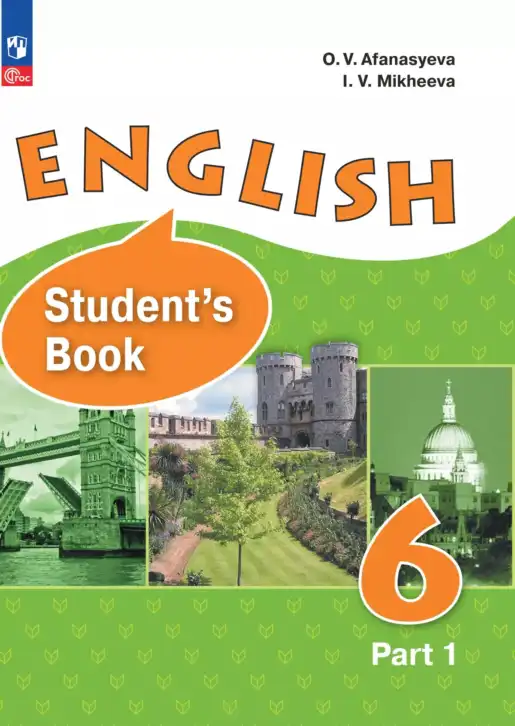
Учебник Английский язык Углубленный уровень для 6 класса от автора О.В. Афанасьевой и И.В. Михеевой – это популярное пособие, входящее в линейку УМК «Rainbow English». Он предназначен для детей, только начинающих изучать английский, и помогает сделать первые шаги в языке увлекательными и эффективными.
ГДЗ по Английскому языку 6 Класс Часть 2 Страница 64 Углубленный Уровень Афанасьева, Михеева — Подробные Ответы
Read the advertisement and answer the questions after it.
A Wonderful Week at the National Eisteddfod1
Visit Wales and discover the National Eisteddfod, a celebration of the culture and language.
During the first week of August you can enjoy:
- concerts of traditional music
- singing and dancing
- arts and crafts2
- poetry and prose
- colourful ceremonies
- shows for children
- traditional food
The hotels in Cardiff and many other places are welcoming you.
Website: http://gotourl.ru/12804.
1) For whom is the advertisement written?
2) When does the National Eisteddfod take place?
3) Are visitors to Eisteddfod able to learn something about Welsh literature?
4) Does the festival offer special programmes for young visitors?
5) Can the visitors to the festival stay in one place or in more than one places?
Для кого написана эта реклама?
Когда проходит Национальный Айстедвод?
Могут ли посетители Айстедвода узнать что-нибудь о валлийской литературе?
Предлагает ли фестиваль специальные программы для юных посетителей?
Могут ли посетители фестиваля остановиться в одном месте или в нескольких?
Ответ:
1) This advertisement is written for tourists and people interested in Welsh culture and language. / Эта реклама написана для туристов и людей, интересующихся валлийской культурой и языком.
2) The National Eisteddfod takes place during the first week of August. / Национальный Айстедвод проходит в первую неделю августа.
3) Yes, they are. Visitors can learn about Welsh literature through poetry and prose events. / Да, могут. Посетители могут узнать о валлийской литературе на мероприятиях, посвященных поэзии и прозе.
4) Yes, it does. The festival offers «shows for children». / Да, предлагает. Фестиваль предлагает «шоу для детей».
5) Yes, they can. Visitors to the festival can stay in more than one place, as the text mentions hotels in «Cardiff and many other places». / Да, могут. Посетители фестиваля могут остановиться в нескольких местах, так как в тексте упоминаются отели в «Кардиффе и многих других местах».
- This advertisement is written for tourists and people interested in Welsh culture and language.
This advertisement targets tourists who are considering visiting Wales and people who have an interest in Welsh traditions, language, and culture. It highlights events related to Welsh culture, which would appeal to both those from outside of Wales and those with a deeper connection to the country’s heritage. Whether it’s someone curious about Welsh music, language, or literature, this advertisement invites them to experience it firsthand at the National Eisteddfod.
Эта реклама написана для туристов и людей, интересующихся валлийской культурой и языком.
Реклама ориентирована на туристов, которые подумывают о посещении Уэльса, и на людей, заинтересованных в валлийских традициях, языке и культуре. В ней подчеркиваются мероприятия, связанные с валлийской культурой, которые могут заинтересовать как людей, не являющихся выходцами из Уэльса, так и тех, кто имеет более глубокую связь с наследием этой страны. Будь то человек, интересующийся валлийской музыкой, языком или литературой, эта реклама приглашает их испытать все это на Национальном Айстедводе. - The National Eisteddfod takes place during the first week of August.
The National Eisteddfod, an important Welsh cultural festival, is held annually during the first week of August. This event is a key part of the Welsh cultural calendar, celebrating the country’s music, poetry, and other artistic traditions. For anyone planning to visit or take part in the festival, knowing the exact dates helps with planning ahead.
Национальный Айстедвод проходит в первую неделю августа.
Национальный Айстедвод — это важный культурный фестиваль в Уэльсе, который проводится ежегодно в первую неделю августа. Это событие является ключевой частью культурного календаря Уэльса, празднуя музыку, поэзию и другие художественные традиции страны. Для тех, кто планирует посетить или принять участие в фестивале, знание точных дат помогает заранее спланировать поездку. - Yes, they are. Visitors can learn about Welsh literature through poetry and prose events.
Yes, visitors to the National Eisteddfod can explore Welsh literature by attending poetry readings, prose events, and literary discussions. The festival is well known for its strong literary presence, showcasing both contemporary Welsh writers and the rich literary heritage of the country. Whether it’s traditional Welsh stories or modern Welsh authors, the event provides a great opportunity to dive into the world of Welsh literature.
Да, могут. Посетители могут узнать о валлийской литературе на мероприятиях, посвященных поэзии и прозе.
Да, посетители Национального Айстедвода могут познакомиться с валлийской литературой, посещая поэтические чтения, мероприятия по прозе и литературные дискуссии. Этот фестиваль славится своей сильной литературной составляющей, представляя как современных валлийских писателей, так и богатое литературное наследие страны. Будь то традиционные валлийские истории или современные валлийские авторы, фестиваль предоставляет отличную возможность погрузиться в мир валлийской литературы. - Yes, it does. The festival offers «shows for children».
The National Eisteddfod understands the importance of family involvement in cultural celebrations, so it offers special programs for younger audiences. These «shows for children» provide engaging, age-appropriate content that helps to introduce the next generation to Welsh culture in a fun and interactive way. It’s a great opportunity for families to enjoy the festival together.
Да, предлагает. Фестиваль предлагает «шоу для детей».
Национальный Айстедвод понимает важность вовлечения семей в культурные праздники, поэтому предлагает специальные программы для младшей аудитории. Эти «шоу для детей» предлагают увлекательный и подходящий для возраста контент, который помогает познакомить следующее поколение с валлийской культурой в веселой и интерактивной форме. Это отличная возможность для семей насладиться фестивалем вместе. - Yes, they can. Visitors to the festival can stay in more than one place, as the text mentions hotels in «Cardiff and many other places».
The festival takes place in different locations, and visitors have the option to stay in a variety of accommodations. The text mentions that hotels in Cardiff, along with many other places, are available, giving attendees flexibility in where they stay. Whether someone prefers to be close to the event or explore other parts of Wales, they can find a place that suits their needs.
Да, могут. Посетители фестиваля могут остановиться в нескольких местах, так как в тексте упоминаются отели в «Кардиффе и многих других местах».
Фестиваль проходит в разных местах, и у посетителей есть возможность остановиться в различных местах проживания. В тексте упоминаются отели в Кардиффе и многих других местах, что дает участникам гибкость в выборе места проживания. Будь то желание находиться рядом с мероприятием или исследовать другие части Уэльса, они могут выбрать место, которое соответствует их потребностям.
Say what you think the most interesting facts about Wales are. Sum up what you’ve learnt about it. What places there do you find the most attractive?
Скажите, какие факты об Уэльсе вы считаете самыми интересными. Подведите итог тому, что вы о нем узнали. Какие места там вы находите наиболее привлекательными?
Ответ:
I think the most interesting facts about Wales are that it has more castles per square mile than any other country in Europe, and that the Welsh language is one of the oldest in Europe. I’ve learned that Wales is a country with a very rich history, stunning nature, and a strong national identity. The most attractive places for me would be Snowdonia National Park, because I love hiking, and Caernarfon Castle, because it looks like something out of a fairy tale.
Перевод:
Я думаю, самые интересные факты об Уэльсе — это то, что там больше замков на квадратную милю, чем в любой другой стране Европы, и что валлийский язык — один из старейших в Европе. Я узнал, что Уэльс — это страна с очень богатой историей, потрясающей природой и сильной национальной идентичностью. Самыми привлекательными местами для меня были бы Национальный парк Сноудония, потому что я люблю ходить в походы, и замок Карнарвон, потому что он выглядит как что-то из сказки.
I think the most interesting facts about Wales are that it has more castles per square mile than any other country in Europe, and that the Welsh language is one of the oldest in Europe. I’ve learned that Wales is a country with a very rich history, stunning nature, and a strong national identity. The most attractive places for me would be Snowdonia National Park, because I love hiking, and Caernarfon Castle, because it looks like something out of a fairy tale.
Wales is a country full of fascinating facts and history. One of the most interesting is that it has more castles per square mile than any other country in Europe. With over 600 castles, Wales is often referred to as the «castle capital of the world.» This abundance of castles offers a unique opportunity to explore medieval fortresses, each with its own story and stunning architecture. Some of the most famous castles, like Caernarfon Castle, have been preserved as historical landmarks and attract visitors from all over the world.
Another intriguing fact is that the Welsh language, or «Cymraeg,» is one of the oldest languages in Europe. It has been spoken in Wales for over a thousand years, and many people in Wales still speak Welsh today, especially in the north and west. The language is a vital part of Welsh culture and national identity, and it’s truly remarkable to hear it spoken in everyday life and to see it on road signs and in public places.
Wales is also known for its breathtaking natural beauty. From the rugged mountains of Snowdonia to the serene beaches along its coastline, the country offers a diverse range of landscapes. Snowdonia National Park is especially appealing to me because it is perfect for hiking, with its stunning peaks, lakes, and trails. It offers an opportunity to connect with nature and experience the tranquility of the Welsh countryside.
Caernarfon Castle is another place that stands out to me. This majestic fortress looks like something straight out of a fairy tale, with its towering walls and impressive towers. It holds great historical significance, having been the site of the investiture of the Prince of Wales. Walking through its grand halls and exploring its courtyards is like stepping back in time.
Перевод:
Я думаю, самые интересные факты об Уэльсе — это то, что там больше замков на квадратную милю, чем в любой другой стране Европы, и что валлийский язык — один из старейших в Европе. Я узнал, что Уэльс — это страна с очень богатой историей, потрясающей природой и сильной национальной идентичностью. Самыми привлекательными местами для меня были бы Национальный парк Сноудония, потому что я люблю ходить в походы, и замок Карнарвон, потому что он выглядит как что-то из сказки.
Уэльс — это страна, полная увлекательных фактов и истории. Один из самых интересных фактов заключается в том, что здесь больше замков на квадратную милю, чем в любой другой стране Европы. С более чем 600 замками Уэльс часто называют «замковым капиталом мира». Такое количество замков дает уникальную возможность исследовать средневековые крепости, каждая из которых имеет свою историю и потрясающую архитектуру. Некоторые из самых известных замков, такие как замок Карнарвон, были сохранены как исторические памятники и привлекают туристов со всего мира.
Еще один интересный факт — это то, что валлийский язык, или «Кимри», является одним из старейших языков в Европе. Он используется в Уэльсе уже более тысячи лет, и многие люди по-прежнему говорят на валлийском, особенно на севере и западе. Язык играет важную роль в культуре и национальной идентичности Уэльса, и по-настоящему удивительно слышать, как его используют в повседневной жизни, а также видеть его на дорожных знаках и в общественных местах.
Уэльс также знаменит своей захватывающей природной красотой. От суровых гор Сноудонии до спокойных пляжей на побережье — страна предлагает разнообразие ландшафтов. Особенно привлекательным для меня является Национальный парк Сноудония, потому что он идеально подходит для походов с его потрясающими пиками, озерами и тропами. Здесь можно насладиться природой и ощутить тишину валлийской сельской местности.
Замок Карнарвон — это еще одно место, которое выделяется для меня. Эта величественная крепость выглядит как что-то прямо из сказки, с высокими стенами и впечатляющими башнями. Она имеет большое историческое значение, поскольку именно здесь проходило посвящение Принца Уэльского. Прогулки по его величественным залам и исследования дворов будто переносят в прошлое.
You are going to give a talk about Wales in your geography class. Get ready with interesting facts about this part of Britain. Don’t forget to mention: its symbol, its saint, its location, its language, its capital.
Вы собираетесь выступить с докладом об Уэльсе на уроке географии. Подготовьте интересные факты об этой части Британии. Не забудьте упомянуть: его символ, его святого покровителя, его местоположение, его язык, его столицу.
Ответ:
Symbol: The main symbol of Wales is the Red Dragon, which is on the national flag. Other symbols are the daffodil and the leek.
(Символ: Главный символ Уэльса — Красный Дракон, который изображен на национальном флаге. Другие символы — нарцисс и лук-порей.)
Saint: The patron saint of Wales is Saint David. Saint David’s Day is celebrated on the 1st of March.
(Святой покровитель: Святой покровитель Уэльса — Святой Давид. День Святого Давида празднуется 1 марта.)
Location: Wales is a country in the west of Great Britain. It is part of the United Kingdom and it borders England to the east.
(Местоположение: Уэльс — это страна на западе Великобритании. Он является частью Соединенного Королевства и граничит с Англией на востоке.)
Language: In Wales, people speak two languages: English and Welsh. Welsh is a very old language. The Welsh for «Welcome to Wales» is «Croeso i Gymru».
(Язык: В Уэльсе люди говорят на двух языках: английском и валлийском. Валлийский — очень древний язык. «Добро пожаловать в Уэльс» на валлийском будет «Croeso i Gymru».)
Capital: The capital city of Wales is Cardiff. It is located in the south of Wales.
(Столица: Столица Уэльса — город Кардифф. Он расположен на юге Уэльса.)
Symbol: The main symbol of Wales is the Red Dragon, which is on the national flag. Other symbols are the daffodil and the leek.
The Red Dragon, known as «Y Ddraig Goch» in Welsh, is a powerful symbol of Welsh identity and pride. It has been associated with Wales for centuries and was officially adopted on the national flag in 1959. The daffodil and leek are also recognized symbols of Wales and are worn by many people, especially on Saint David’s Day. The leek has a long history as a symbol of Wales, and it is often associated with the Welsh military.
Символ: Главный символ Уэльса — Красный Дракон, который изображен на национальном флаге. Другие символы — нарцисс и лук-порей.
Красный Дракон, или «Y Ddraig Goch» на валлийском, является мощным символом валлийской идентичности и гордости. Он ассоциируется с Уэльсом на протяжении веков и был официально принят на национальном флаге в 1959 году. Нарцисс и лук-порей также являются символами Уэльса, и многие люди носят их, особенно в День Святого Давида. Лук-порей имеет долгую историю как символ Уэльса и часто ассоциируется с валлийской армией.
Saint: The patron saint of Wales is Saint David. Saint David’s Day is celebrated on the 1st of March.
Saint David, known as Dewi Sant in Welsh, is the patron saint of Wales. He is credited with spreading Christianity throughout Wales and establishing monastic settlements. Saint David’s Day, which takes place on March 1st, is a national celebration in Wales. It is a day to honor Saint David and celebrate Welsh culture, with various parades, concerts, and events held across the country. Many people wear the leek or daffodil on this day as a sign of pride in their Welsh heritage.
Святой покровитель: Святой покровитель Уэльса — Святой Давид. День Святого Давида празднуется 1 марта.
Святой Давид, или Дэви Сант на валлийском, является святым покровителем Уэльса. Он считается тем, кто принес христианство в Уэльс и основал монашеские поселения. День Святого Давида, который отмечается 1 марта, является национальным праздником в Уэльсе. Это день для почитания Святого Давида и празднования валлийской культуры, с различными парадами, концертами и мероприятиями по всей стране. В этот день многие люди носят лук-порей или нарцисс как символ гордости за свое валлийское происхождение.
Location: Wales is a country in the west of Great Britain. It is part of the United Kingdom and it borders England to the east.
Wales is located on the western side of Great Britain, bordered by the Irish Sea to the north and west, and the Bristol Channel to the south. It is part of the United Kingdom, along with England, Scotland, and Northern Ireland. Wales shares a border with England to the east, which stretches for approximately 160 miles. The landscape of Wales is incredibly diverse, with rugged mountains, lush valleys, and beautiful coastlines. This variety of natural beauty makes Wales a unique and attractive destination.
Местоположение: Уэльс — это страна на западе Великобритании. Он является частью Соединенного Королевства и граничит с Англией на востоке.
Уэльс расположен на западной стороне Великобритании, омываемый Ирландским морем на севере и западе и Бристольским заливом на юге. Он является частью Соединенного Королевства, наряду с Англией, Шотландией и Северной Ирландией. Уэльс граничит с Англией на востоке, граница протяженностью около 160 миль. Ландшафт Уэльса невероятно разнообразен: здесь есть суровые горы, зеленые долины и красивые побережья. Это разнообразие природной красоты делает Уэльс уникальной и привлекательной страной.
Language: In Wales, people speak two languages: English and Welsh. Welsh is a very old language. The Welsh for «Welcome to Wales» is «Croeso i Gymru».
Wales has two official languages: English and Welsh. Welsh, known as «Cymraeg,» is a Celtic language with roots going back over 1,500 years. It is one of the oldest languages still spoken in Europe today. While English is widely spoken throughout the country, Welsh is still an important part of Welsh culture and is taught in schools, especially in areas where the language is most commonly spoken. The Welsh language can be seen on road signs, in public places, and used in local government.
Язык: В Уэльсе люди говорят на двух языках: английском и валлийском. Валлийский — очень древний язык. «Добро пожаловать в Уэльс» на валлийском будет «Croeso i Gymru».
В Уэльсе два официальных языка: английский и валлийский. Валлийский, или «Cymraeg», является кельтским языком, история которого насчитывает более 1500 лет. Это один из старейших языков, на котором до сих пор говорят в Европе. Хотя английский язык широко используется по всей стране, валлийский остаётся важной частью валлийской культуры и преподается в школах, особенно в тех районах, где этот язык используется чаще всего. Валлийский язык можно встретить на дорожных знаках, в общественных местах и в местном управлении.
Capital: The capital city of Wales is Cardiff. It is located in the south of Wales.
Cardiff is the capital and largest city of Wales, located on the southern coast of the country. It has been the capital since 1955 and is the political, cultural, and economic center of Wales. Cardiff is home to a number of important landmarks, including Cardiff Castle, the Millennium Stadium, and the National Museum of Wales. It is a vibrant city with a rich history, offering a mix of modern attractions and traditional Welsh culture.
Столица: Столица Уэльса — город Кардифф. Он расположен на юге Уэльса.
Кардифф — столица и крупнейший город Уэльса, расположенный на южном побережье страны. Он стал столицей в 1955 году и является политическим, культурным и экономическим центром Уэльса. В Кардиффе находятся несколько значимых достопримечательностей, включая замок Кардифф, стадион Миллениум и Национальный музей Уэльса. Это оживленный город с богатой историей, который предлагает сочетание современных достопримечательностей и традиционной валлийской культуры.
Do ex. 1, ex. 2, ex. 4, ex. 5, ex. 11 in writing.
Упр. 26, стр. 64
Сделайте упр. 1, упр. 2, упр. 4, упр. 5, упр. 11 письменно.
Ответы:
Упр. 1
Посмотрите список слов и сгруппируйте их по четырем категориям. Сначала зачитайте глаголы, затем существительные, прилагательные и наречия.
verbs: please, strike, act, scream, bury, hang, earn, concentrate
nouns: twin, bank, trade, rock, grave, deer, devotion, thief
adjectives: picturesque, prosperous, modest, striking, stupid, smart, busy, military
adverbs: wickedly, exactly
существительные: блеск, банк, торговля, скала, могила, олень, преданность, вор
прилагательные: живописный, процветающий, скромный, поразительный, глупый, умный, занятой, военный
наречия: злободно, точно
Близнец, злой, банк, пожалуйста, удар, действия, живописный, процветающий, торгий, крики, похороны, камень, могила, точно, скромный, поразительный, веселый, глупый, олень, зарабатывать, умный, преданность, сосредоточенный, занятой, военный, вор
Упр. 2
Скажите, что или кто могут быть:
- процветающими; 2) живописными; 3) злобными; 4) занятыми; 5) довольными; 6) глупыми; 7) поразительными; 8) умными
Пример:
Фермеры могут быть процветающими.
Компании могут быть процветающими.
Города могут быть процветающими.
Ответы:
- Business can be prosperous.
Family can be prosperous.
Life can be prosperous. - A landscape can be picturesque.
The part of the town can be picturesque.
A village can be picturesque. - A witch can be wicked.
A problem can be wicked.
A date can be wicked. - A timetable can be busy.
A doctor can be busy.
A telephone line can be busy. - A student can be stupid.
An animal can be stupid.
A task can be stupid. - Similarities can be striking.
An example can be striking.
A person can be striking. - A watch can be smart.
A person can be smart.
A TV can be smart.
Перевод
- Бизнес может быть процветающим.
Семья может быть процветающей.
Жизнь может быть процветающей. - Пейзаж может быть живописным.
Часть города может быть живописной.
Деревня может быть живописной. - Ведьма может быть злой.
Проблема может быть сложной.
Свидание может быть неудачным. - Расписание может быть напряжённым.
Врач может быть занят.
Телефонная линия может быть занята. - Студент может быть глупым.
Животное может быть глупым.
Задание может быть глупым. - Сходство может быть поразительным.
Пример может быть ярким.
Человек может быть ярким. - Часы могут быть умными.
Человек может быть умным.
Телевизор может быть умным.
Упр. 4
Скажите, что люди хотят (хотели бы) / не хотят (не хотели бы), чтобы делал Джимми.
Пример:
Мистер Стоунз хочет, чтобы Джимми перестал кричать во весь голос.
Ответы:
2. Jimmy’s sister doesn’t want Jimmy to tell her silly stories.
3. Jimmy’s friend would like him to include all the boys on the list.
4. Jimmy’s mother wouldn’t like him to stay in.
5. Jimmy’s teacher wants him to set to work.
6. Andrew would like Jimmy to go to the Highlands of Scotland.
7. Jimmy’s granny doesn’t want him to eat so fast.
8. Jimmy’s father would like Jimmy to remind him of the football match.
Перевод
2) Сестра Джимми не хочет, чтобы Джимми рассказывал ей глупые истории.
3) Друг Джимми хотел бы, чтобы он включил в список всех мальчиков.
4) Мать Джимми не хотела бы, чтобы он оставался дома.
5) Учитель Джимми хочет, чтобы он приступил к работе.
6) Эндрю хотел бы, чтобы Джимми отправился в Шотландское нагорье.
7) Бабушка Джимми не хочет, чтобы он ел так быстро.
8) Отец Джимми хотел бы, чтобы Джимми напомнил ему о футбольном матче.
Упр. 5
Дополните таблицу.
Ответы:
| Active | Passive |
|---|---|
| The professor made us set to work. | We were made to set to work. (Нас заставили взяться за работу.) |
| They didn’t allow the children to take part in the procession. | The children were not allowed to take part in the procession. (Детям не разрешили принять участие в шествии.) |
| They made him solve the problem immediately. | He was made to solve the problem immediately. (Его заставили немедленно решить проблему.) |
| My friend’s mother didn’t let him buy a collection of beautiful stones. | My friend wasn’t allowed to buy a collection of beautiful stones. (Моему другу не разрешили купить коллекцию красивых камней.) |
| The doctor made the nurse test the patient’s blood pressure again. | The nurse was made to test the patient’s pressure again. |
| They made European government stop nuclear tests. | Most of European governments were made to stop nuclear tests. |
| Our chemistry teacher doesn’t let us mix these two gases. | We aren’t allowed to mix these two gases. |
| They never let Sam smoke. | Sam was never allowed to smoke. |
| I won’t let you give sugar to the dog. | You won’t be allowed to give sugar to the dog. |
| They made me act on the stage, though I don’t like performing. | I was made to act on the stage, though I don’t like performing. |
Упр. 11
Выразите то же самое по-английски.
Ответы:
- I’ve never heard this girl laugh/ laughing. I’ve never seen her cry/ crying.
- We did not notice him leave the classroom.
- Betty loved to watch the yellow leaves falling from the trees.
- Does everyone like to listen to Michael Jackson singing?
- I felt something hot touch my leg.
- Have you ever seen the sun rising?
- The Little Prince watched the sun setting every day.
- Mom proudly watched her daughter playing the piano.
- Do you like to watch her dancing?
- I have heard her reading books to her young children many times.
Exercise 1: Grouping words by categories
Verbs:
- please (to make someone happy or satisfied)
- strike (to hit something with force)
- act (to perform a role in a play, movie, etc.)
- scream (to make a loud, high-pitched sound, usually from fear or excitement)
- bury (to put something or someone in the ground and cover it)
- hang (to suspend something from above)
- earn (to receive money for work)
- concentrate (to focus all attention on something)
Nouns:
- twin (a person born at the same time as another)
- bank (a financial institution)
- trade (the action of buying and selling goods)
- rock (a large, hard piece of material, typically found in nature)
- grave (a place where a body is buried)
- deer (a type of animal with antlers, often found in forests)
- devotion (a strong feeling of loyalty or love)
- thief (a person who steals)
Adjectives:
- picturesque (visually attractive, like a painting)
- prosperous (successful, especially in terms of wealth)
- modest (not showing off, humble)
- striking (impressive, noticeable)
- stupid (lacking intelligence or common sense)
- smart (intelligent, quick-witted)
- busy (occupied with tasks or activities)
- military (relating to the armed forces)
Adverbs:
- wickedly (in a manner that is morally wrong or mischievous)
- exactly (in a precise or correct manner)
Exercise 2: Sentences using adjectives
1. Prosperous:
- Business can be prosperous. (Business can be successful.)
- Family can be prosperous. (A family can be thriving and doing well.)
- Life can be prosperous. (Life can be successful and full of wealth and happiness.)
2. Picturesque:
- A landscape can be picturesque. (A landscape can be visually beautiful, like a painting.)
- The part of the town can be picturesque. (The area of the town can be scenic and beautiful.)
- A village can be picturesque. (A village can be charming and scenic.)
3. Wicked:
- A witch can be wicked. (A witch can be evil or malicious.)
- A problem can be wicked. (A problem can be difficult or tricky.)
- A date can be wicked. (A date can be disastrous or bad.)
4. Busy:
- A timetable can be busy. (A timetable can have many activities or events.)
- A doctor can be busy. (A doctor can have a lot of patients or work to do.)
- A telephone line can be busy. (A phone line can be occupied with calls.)
5. Stupid:
- A student can be stupid. (A student can lack intelligence or make poor decisions.)
- An animal can be stupid. (An animal can act in a way that seems unintelligent.)
- A task can be stupid. (A task can be pointless or nonsensical.)
6. Striking:
- Similarities can be striking. (Similarities can be very noticeable.)
- An example can be striking. (An example can be very impressive or attention-grabbing.)
- A person can be striking. (A person can be very attractive or impressive in appearance.)
7. Smart:
- A watch can be smart. (A watch can be technologically advanced, like a smartwatch.)
- A person can be smart. (A person can be intelligent.)
- A TV can be smart. (A TV can be equipped with internet and applications, such as a smart TV.)
Exercise 4: Expressing what people want (or don’t want) Jimmy to do
Example:
Mr. Stones wants Jimmy to stop shouting at the top of his voice.
(Мистер Стоунз хочет, чтобы Джимми перестал кричать во весь голос.)
Answers:
- Jimmy’s sister doesn’t want Jimmy to tell her silly stories.
(Сестра Джимми не хочет, чтобы Джимми рассказывал ей глупые истории.) - Jimmy’s friend would like him to include all the boys on the list.
(Друг Джимми хотел бы, чтобы он включил в список всех мальчиков.) - Jimmy’s mother wouldn’t like him to stay in.
(Мать Джимми не хотела бы, чтобы он оставался дома.) - Jimmy’s teacher wants him to set to work.
(Учитель Джимми хочет, чтобы он приступил к работе.) - Andrew would like Jimmy to go to the Highlands of Scotland.
(Эндрю хотел бы, чтобы Джимми отправился в Шотландское нагорье.) - Jimmy’s granny doesn’t want him to eat so fast.
(Бабушка Джимми не хочет, чтобы он ел так быстро.) - Jimmy’s father would like Jimmy to remind him of the football match.
(Отец Джимми хотел бы, чтобы Джимми напомнил ему о футбольном матче.)
Exercise 5: Completing the table (Active/Passive)
Answers:
| Active | Passive |
|---|---|
| 1. The professor made us set to work. | 1. We were made to set to work. (Нас заставили взяться за работу.) |
| 2. They didn’t allow the children to take part in the procession. | 2. The children were not allowed to take part in the procession. (Детям не разрешили принять участие в шествии.) |
| 3. They made him solve the problem immediately. | 3. He was made to solve the problem immediately. (Его заставили немедленно решить проблему.) |
| 4. My friend’s mother didn’t let him buy a collection of beautiful stones. | 4. My friend wasn’t allowed to buy a collection of beautiful stones. (Моему другу не разрешили купить коллекцию красивых камней.) |
| 5. The doctor made the nurse test the patient’s blood pressure again. | 5. The nurse was made to test the patient’s pressure again. |
| 6. They made European government stop nuclear tests. | 6. Most of European governments were made to stop nuclear tests. |
| 7. Our chemistry teacher doesn’t let us mix these two gases. | 7. We aren’t allowed to mix these two gases. |
| 8. They never let Sam smoke. | 8. Sam was never allowed to smoke. |
| 9. I won’t let you give sugar to the dog. | 9. You won’t be allowed to give sugar to the dog. |
| 10. They made me act on the stage, though I don’t like performing. | 10. I was made to act on the stage, though I don’t like performing. |
Exercise 11: Express the same thing in English
Answers:
- I’ve never heard this girl laugh/ laughing. I’ve never seen her cry/ crying.
(Я никогда не слышал, как эта девушка смеётся/смеялась. Я никогда не видел, как она плачет/плакала.) - We did not notice him leave the classroom.
(Мы не заметили, как он покинул класс.) - Betty loved to watch the yellow leaves falling from the trees.
(Бетти любила смотреть, как жёлтые листья падают с деревьев.) - Does everyone like to listen to Michael Jackson singing?
(Всем ли нравится слушать, как поёт Майкл Джексон?) - I felt something hot touch my leg.
(Я почувствовал, как что-то горячее коснулось моей ноги.) - Have you ever seen the sun rising?
(Ты когда-нибудь видел восход солнца?) - The Little Prince watched the sun setting every day.
(Маленький принц наблюдал за заходом солнца каждый день.) - Mom proudly watched her daughter playing the piano.
(Мама с гордостью смотрела, как её дочь играет на пианино.) - Do you like to watch her dancing?
(Тебе нравится смотреть, как она танцует?) - I have heard her reading books to her young children many times.
(Я много раз слышал, как она читает книги своим маленьким детям.)
Упр. 1: Группировка слов по категориям
Глаголы:
- please (удовлетворять)
- strike (ударить)
- act (действовать)
- scream (кричать)
- bury (хоронить)
- hang (вешать)
- earn (зарабатывать)
- concentrate (концентрироваться)
Существительные:
- twin (близнец)
- bank (банк)
- trade (торговля)
- rock (скала)
- grave (могила)
- deer (олень)
- devotion (преданность)
- thief (вор)
Прилагательные:
- picturesque (живописный)
- prosperous (процветающий)
- modest (скромный)
- striking (поразительный)
- stupid (глупый)
- smart (умный)
- busy (занятый)
- military (военный)
Наречия:
- wickedly (злобно)
- exactly (точно)
Упр. 2: Предложения с прилагательными
1. Процветающими:
- Business can be prosperous. (Бизнес может быть процветающим.)
- Family can be prosperous. (Семья может быть процветающей.)
- Life can be prosperous. (Жизнь может быть процветающей.)
2. Живописными:
- A landscape can be picturesque. (Пейзаж может быть живописным.)
- The part of the town can be picturesque. (Часть города может быть живописной.)
- A village can be picturesque. (Деревня может быть живописной.)
3. Злобными:
- A witch can be wicked. (Ведьма может быть злой.)
- A problem can be wicked. (Проблема может быть сложной.)
- A date can be wicked. (Свидание может быть неудачным.)
4. Занятыми:
- A timetable can be busy. (Расписание может быть напряжённым.)
- A doctor can be busy. (Врач может быть занят.)
- A telephone line can be busy. (Телефонная линия может быть занята.)
5. Довольными:
- A student can be stupid. (Студент может быть глупым.)
- An animal can be stupid. (Животное может быть глупым.)
- A task can be stupid. (Задание может быть глупым.)
6. Глупыми:
- Similarities can be striking. (Сходства могут быть поразительными.)
- An example can be striking. (Пример может быть ярким.)
- A person can be striking. (Человек может быть ярким.)
7. Поразительными:
- A watch can be smart. (Часы могут быть умными.)
- A person can be smart. (Человек может быть умным.)
- A TV can be smart. (Телевизор может быть умным.)
Упр. 4: Скажите, что люди хотят (или не хотят), чтобы Джимми делал
Пример:
Mr. Stones wants Jimmy to stop shouting at the top of his voice.
(Мистер Стоунз хочет, чтобы Джимми перестал кричать во весь голос.)
Ответы:
- Jimmy’s sister doesn’t want Jimmy to tell her silly stories.
(Сестра Джимми не хочет, чтобы Джимми рассказывал ей глупые истории.) - Jimmy’s friend would like him to include all the boys on the list.
(Друг Джимми хотел бы, чтобы он включил в список всех мальчиков.) - Jimmy’s mother wouldn’t like him to stay in.
(Мать Джимми не хотела бы, чтобы он оставался дома.) - Jimmy’s teacher wants him to set to work.
(Учитель Джимми хочет, чтобы он приступил к работе.) - Andrew would like Jimmy to go to the Highlands of Scotland.
(Эндрю хотел бы, чтобы Джимми отправился в Шотландское нагорье.) - Jimmy’s granny doesn’t want him to eat so fast.
(Бабушка Джимми не хочет, чтобы он ел так быстро.) - Jimmy’s father would like Jimmy to remind him of the football match.
(Отец Джимми хотел бы, чтобы Джимми напомнил ему о футбольном матче.)
Упр. 5: Дополните таблицу (Active/Passive)
Ответы:
| Active | Passive |
|---|---|
| 1. The professor made us set to work. | 1. We were made to set to work. (Нас заставили взяться за работу.) |
| 2. They didn’t allow the children to take part in the procession. | 2. The children were not allowed to take part in the procession. (Детям не разрешили принять участие в шествии.) |
| 3. They made him solve the problem immediately. | 3. He was made to solve the problem immediately. (Его заставили немедленно решить проблему.) |
| 4. My friend’s mother didn’t let him buy a collection of beautiful stones. | 4. My friend wasn’t allowed to buy a collection of beautiful stones. (Моему другу не разрешили купить коллекцию красивых камней.) |
| 5. The doctor made the nurse test the patient’s blood pressure again. | 5. The nurse was made to test the patient’s pressure again. |
| 6. They made European government stop nuclear tests. | 6. Most of European governments were made to stop nuclear tests. |
| 7. Our chemistry teacher doesn’t let us mix these two gases. | 7. We aren’t allowed to mix these two gases. |
| 8. They never let Sam smoke. | 8. Sam was never allowed to smoke. |
| 9. I won’t let you give sugar to the dog. | 9. You won’t be allowed to give sugar to the dog. |
| 10. They made me act on the stage, though I don’t like performing. | 10. I was made to act on the stage, though I don’t like performing. |
Упр. 11: Выразите то же самое на английском
Ответы:
- I’ve never heard this girl laugh/ laughing. I’ve never seen her cry/ crying.
(Я никогда не слышал, как эта девушка смеётся/смеялась. Я никогда не видел, как она плачет/плакала.) - We did not notice him leave the classroom.
(Мы не заметили, как он покинул класс.) - Betty loved to watch the yellow leaves falling from the trees.
(Бетти любила смотреть, как жёлтые листья падают с деревьев.) - Does everyone like to listen to Michael Jackson singing?
(Всем ли нравится слушать, как поёт Майкл Джексон?) - I felt something hot touch my leg.
(Я почувствовал, как что-то горячее коснулось моей ноги.) - Have you ever seen the sun rising?
(Ты когда-нибудь видел восход солнца?) - The Little Prince watched the sun setting every day.
(Маленький принц наблюдал за заходом солнца каждый день.) - Mom proudly watched her daughter playing the piano.
(Мама с гордостью смотрела, как её дочь играет на пианино.) - Do you like to watch her dancing?
(Тебе нравится смотреть, как она танцует?) - I have heard her reading books to her young children many times.
(Я много раз слышал, как она читает книги своим маленьким детям.)

Оставь свой отзыв 💬
Комментариев пока нет, будьте первым!