

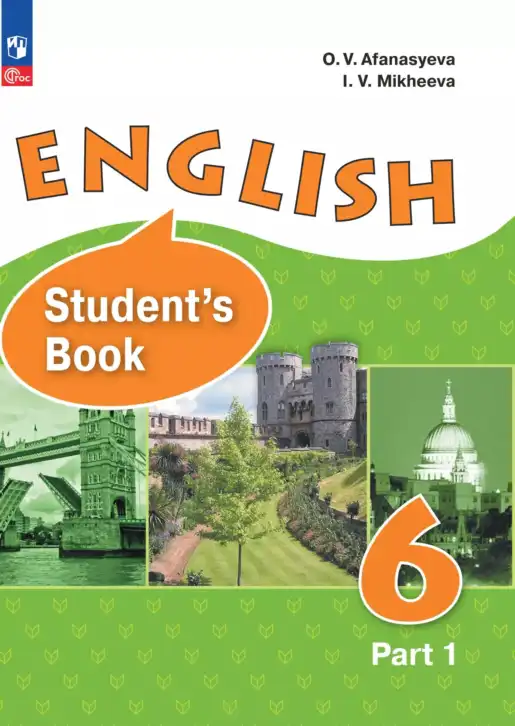
Учебник Английский язык Углубленный уровень для 6 класса от автора О.В. Афанасьевой и И.В. Михеевой – это популярное пособие, входящее в линейку УМК «Rainbow English». Он предназначен для детей, только начинающих изучать английский, и помогает сделать первые шаги в языке увлекательными и эффективными.
ГДЗ по Английскому языку 6 Класс Часть 2 Страница 60 Углубленный Уровень Афанасьева, Михеева — Подробные Ответы
Choose the right preposition: on or in.
1. Susie is finishing her book … the culture of ancient Romans.
2. Could I look through your notes … the agriculture of the region?
3. When do you have classes … the English Literature?
4. What mark did Henry get … PE last term?
5. When are you having your final exam … Latin?
6. Have you ever read any articles … geography?
7. Tell me Nick’s mark … music.
Выберите правильный предлог: on или in.
Ответ:
1. Susie is finishing her book on the culture of ancient Romans. — Сьюзи заканчивает свою книгу о культуре древних римлян.
2. Could I look through your notes on the agriculture of the region? — Могу я просмотреть твои записи по сельскому хозяйству этого региона?
3. When do you have classes in the English Literature? — Когда у тебя занятия по английской литературе?
4. What mark did Henry get in PE last term? — Какую оценку Генри получил по физкультуре в прошлой четверти?
5. When are you having your final exam in Latin? — Когда у тебя выпускной экзамен по латыни?
6. Have you ever read any articles on geography? — Ты когда-нибудь читал статьи по географии?
7. Tell me Nick’s mark in music. — Скажи мне оценку Ника по музыке.
1. Susie is finishing her book on the culture of ancient Romans.
- Сьюзи заканчивает свою книгу о культуре древних римлян.
В данном случае используется предлог «on», потому что он указывает на тему или предмет, о котором идет речь. Мы говорим «a book on [topic]» — книга о какой-то теме.
2. Could I look through your notes on the agriculture of the region?
- Могу я просмотреть твои записи по сельскому хозяйству этого региона?
Здесь также используется «on», потому что речь идет о теме или предмете, по которому сделаны записи. Предлог «on» используется для выражения темы исследования или обсуждения.
3. When do you have classes in the English Literature?
- Когда у тебя занятия по английской литературе?
В этом случае используется «in», потому что речь идет о предмете, в рамках которого проходят занятия. Мы обычно говорим «classes in [subject]» — занятия по [предмету].
4. What mark did Henry get in PE last term?
- Какую оценку Генри получил по физкультуре в прошлой четверти?
Для школьных предметов, таких как физкультура (PE), мы используем «in» для указания оценки по предмету. Это типичная конструкция «get a mark in [subject]» — получить оценку по [предмету].
5. When are you having your final exam in Latin?
- Когда у тебя выпускной экзамен по латыни?
Здесь используется «in», так как речь идет об экзамене по конкретному предмету. Мы говорим «exam in [subject]» — экзамен по [предмету].
6. Have you ever read any articles on geography?
- Ты когда-нибудь читал статьи по географии?
Предлог «on» используется для указания темы или области знания, например, «articles on [topic]» — статьи по [теме]. В данном случае речь идет о географии как предмете.
7. Tell me Nick’s mark in music.
- Скажи мне оценку Ника по музыке.
Для указания оценки по конкретному предмету, как в случае с музыкой, используется предлог «in». Мы говорим «mark in [subject]» — оценка по [предмету].
Listen to the recording, 🎧51, and read the proverb, then learn it by heart.
HE WHO KNOWS
He who knows not, and knows not that he knows not, is a fool.
Shun1 him.
He who knows not, and knows that he knows not, is a child.
Teach him.
He who knows, and knows not that he knows, is asleep. Wake him.
He who knows, and knows that he knows, is wise. Follow him.
(a Persian2 proverb)
Прослушайте аудиозапись 🎧 51, прочитайте пословицу, а затем выучите ее наизусть.
Ответ:
He who knows not, and knows not that he knows not, is a fool. Shun him.
He who knows not, and knows that he knows not, is a child. Teach him.
He who knows, and knows not that he knows, is asleep. Wake him.
He who knows, and knows that he knows, is wise. Follow him.
Тот, кто не знает и не знает, что он не знает, — глупец. Избегай его.
Тот, кто не знает, но знает, что он не знает, — дитя. Научи его.
Тот, кто знает, но не знает, что он знает, — спит. Разбуди его.
Тот, кто знает и знает, что он знает, — мудрец. Следуй за ним.
a) Say how much you know about Wales.
b) Read the dialogue and give it a title, 🎧 51. Say what new facts about this part of Britain you have learned from it.
Ann: Hi, Susie, haven’t seen you for a long time! What have you been doing? Where have you been hiding?
Susie: I’ve been working on my talk about Wales for the last week and spent many hours in the library.
Ann: Wales? What can be interesting about that part of Britain? No big cities, no picturesque scenery, no interesting facts on the history of the country.
Susie: Aren’t there? You can’t imagine, Ann, how wrong you are here. The book I’m reading says: «Though visitors don’t need passports to cross the border from England into Wales, they soon realize that they are entering a country with its own geography, culture, traditions and language.»
Ann: What do you mean? Don’t Welsh speak English?
Susie: They do. But the Welsh language is spoken widely, especially in the north of the country and it is still the first language for many people. By the way, English is taught side by side with Welsh in schools.
Ann: Is Welsh different from English?
Susie: Very much so. Welsh is one of the Celtic¹ languages, like Scottish and Irish Gaelic. Even if your English is fluent you won’t be able to understand Welsh.
Ann: Interesting. And what about the cities? I hear³ that Wales is agricultural, there are few cities there, and they are rather small and unimportant.
«Eisteddfod»
«pwllheli»
«UN»
«dau»
«Dwygyfylchi»
«chwech»
«Clwyd»
Susie: Let’s not argue, but look it up in the book I’m reading. I know at least one big city in Wales. It’s Cardiff, the capital and the main port.
Ann (looking through the book): You are right. It says: «Cardiff is an industrial city, which also has a castle, a cathedral, a university. There are other big towns in Wales too, Swansea and Newport among them.» OK. But what about the scenery, the history, the culture?
Susie: The west coast, Mid Wales and North Wales are wild and beautiful. Wales has high mountains including Snowdon, the second highest mountain in Britain.
Ann: I have always thought that Wales is a land of green fields, forests and farms.
Susie: And you have been right. But it is also a land of mountains and valleys, streams and waterfalls. In North Wales you can follow mountain paths for miles and miles.
Ann: Tell me a few words about Mount Snowdon.
Susie: Got interested? OK. In summer, when the sun is shining, Snowdon looks very peaceful and beautiful. A little train runs to the top and the walk is not at all hard. But in winter the mountains can become very dangerous.
Ann: But do people climb the mountains in winter?
Susie: They do, but every year climbers get lost in bad weather or fall and injure themselves. When this happens, the Mountain Rescue Service¹ has to go out to look for the climbers.
Ann: I see. And what about Welsh traditions and the history of the country?
Susie: Sorry, Ann. I’ve got to run. Here are my notes. I made them during the lecture by Mr Roger Davis, a visiting professor from Wales. If you’re really interested, you can look through my notes. They are all on Welsh traditions and culture. Though they are very brief, you can find them useful.
a) Расскажите, как много вы знаете об Уэльсе. b) Прочитайте диалог, дайте ему заголовок и скажите, какие новые факты об этой части Британии вы из него узнали.
Ответ:
a) I don’t know very much about Wales. I know it’s a country within the UK, its capital is Cardiff, and they have a red dragon on their flag. I’ve also heard that their language is very old and looks complicated. (Я не очень много знаю об Уэльсе. Я знаю, что это страна в составе Великобритании, её столица — Кардифф, и у них на флаге красный дракон. Я также слышал, что их язык очень древний и выглядит сложным.)
b) Title: Discovering Wales. (Заголовок: Открывая Уэльс.)
New facts I’ve learned from the dialogue: (Новые факты, которые я узнал из диалога:)
— Wales has its own unique culture, traditions, and language, different from England. (У Уэльса есть своя уникальная культура, традиции и язык, отличные от английских.)
— The Welsh language is a Celtic language and is still widely spoken, especially in the north. (Валлийский язык относится к кельтской группе и на нем до сих пор широко говорят, особенно на севере.)
— Cardiff is the capital of Wales. Other big towns are Swansea and Newport. (Кардифф — столица Уэльса. Другие крупные города — Суонси и Ньюпорт.)
— Wales has high mountains, and Snowdon is the second highest mountain in Britain. (В Уэльсе есть высокие горы, а Сноудон — вторая по высоте гора в Британии.)
— Mount Snowdon can be very dangerous to climb in winter. (Восхождение на гору Сноудон может быть очень опасным зимой.)
a) I don’t know very much about Wales.
- I know it’s a country within the UK, its capital is Cardiff, and they have a red dragon on their flag.
(Я не очень много знаю об Уэльсе. Я знаю, что это страна в составе Великобритании, её столица — Кардифф, и у них на флаге красный дракон.)- This sentence provides some basic facts about Wales: it is a part of the UK, and its capital is Cardiff. The red dragon on the flag is a significant national symbol.
- Эти факты дают базовое представление о Уэльсе: это часть Великобритании, столица — Кардифф, а красный дракон на флаге — важный национальный символ.
- I’ve also heard that their language is very old and looks complicated.
(Я также слышал, что их язык очень древний и выглядит сложным.)- The Welsh language is ancient and is part of the Celtic language group. Many people find it complicated because of its unique grammar and pronunciation.
- Валлийский язык — древний, он принадлежит к кельтской группе языков. Многим он кажется сложным из-за уникальной грамматики и произношения.
b) Title: Discovering Wales
- New facts I’ve learned from the dialogue:
- Wales has its own unique culture, traditions, and language, different from England.
(У Уэльса есть своя уникальная культура, традиции и язык, отличные от английских.)- This sentence highlights the cultural and linguistic distinction of Wales compared to England. Wales has maintained its distinct identity for centuries.
- Это предложение подчеркивает культурное и языковое различие Уэльса с Англией. Уэльс сохранил свою уникальную идентичность на протяжении веков.
- The Welsh language is a Celtic language and is still widely spoken, especially in the north.
(Валлийский язык относится к кельтской группе и на нем до сих пор широко говорят, особенно на севере.)- The Welsh language is spoken mainly in the northern regions of Wales, with many communities keeping the language alive. It has seen a resurgence in recent years.
- Валлийский язык в основном распространён в северных районах Уэльса, и многие общины продолжают говорить на нем. В последние годы язык снова набирает популярность.
- Cardiff is the capital of Wales. Other big towns are Swansea and Newport.
(Кардифф — столица Уэльса. Другие крупные города — Суонси и Ньюпорт.)- Cardiff is the largest city and political center of Wales. Swansea and Newport are also important urban centers.
- Кардифф — крупнейший город и политический центр Уэльса. Суонси и Ньюпорт — также важные городские центры.
- Wales has high mountains, and Snowdon is the second highest mountain in Britain.
(В Уэльсе есть высокие горы, а Сноудон — вторая по высоте гора в Британии.)- Snowdon is the highest mountain in Wales and is part of the Snowdonia National Park. It’s a popular spot for hikers and climbers.
- Сноудон — самая высокая гора в Уэльсе, она является частью национального парка Сноудония. Это популярное место для туристов и альпинистов.
- Mount Snowdon can be very dangerous to climb in winter.
(Восхождение на гору Сноудон может быть очень опасным зимой.)- The mountain is challenging to climb, especially during the winter months, due to harsh weather conditions and icy paths.
- Восхождение на гору Сноудон может быть сложным, особенно зимой, из-за суровых погодных условий и ледяных троп.
- Wales has its own unique culture, traditions, and language, different from England.

Оставь свой отзыв 💬
Комментариев пока нет, будьте первым!