

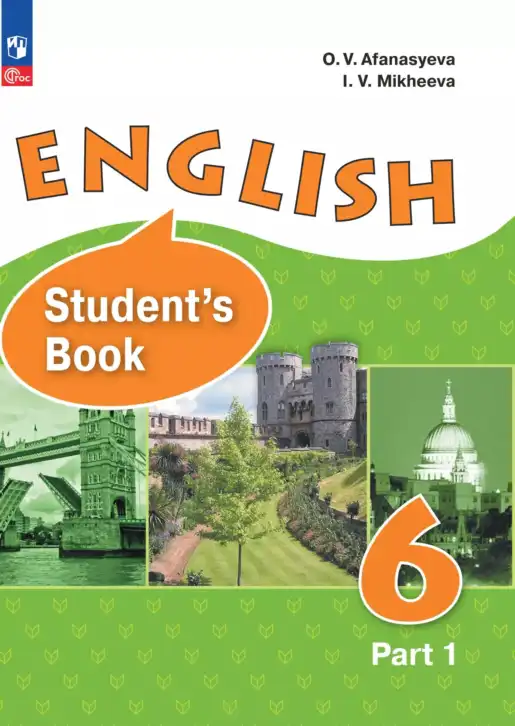
Учебник Английский язык Углубленный уровень для 6 класса от автора О.В. Афанасьевой и И.В. Михеевой – это популярное пособие, входящее в линейку УМК «Rainbow English». Он предназначен для детей, только начинающих изучать английский, и помогает сделать первые шаги в языке увлекательными и эффективными.
ГДЗ по Английскому языку 6 Класс Часть 2 Страница 57 Углубленный Уровень Афанасьева, Михеева — Подробные Ответы
Work in pairs. Ask your friend if he/she has ever seen, watched, noticed or heard the following.
Example: — Have you ever seen a hunter shoot an animal?
— No, I haven’t. Have you?
— Yes, I have.
1) a hunter shoot an animal;
2) a squirrel climb up a tree;
3) a hare run across the field;
4) a kitten play with a mouse;
5) an elephant carry people;
6) a horse winning a race;
7) a monkey reading a book;
8) a bear dancing;
9) a deer eat green grass;
10) a pigeon sing.
Работайте в парах. Спросите своего друга, видел ли он/она, наблюдал(а) ли, замечал(а) ли или слышал(а) ли когда-либо следующее.
Ответ:
1) — Have you ever seen a hunter shoot an animal?
— No, I haven’t. Have you?
— No, I haven’t either.
— Ты когда-нибудь видел, как охотник стреляет в животное?
— Нет, не видел. А ты?
— Я тоже не видел.
2) — Have you ever seen a squirrel climb up a tree?
— Yes, I have. I see them in the park all the time. Have you?
— Yes, I have. They are so fast!
— Ты когда-нибудь видел, как белка взбирается на дерево?
— Да, видел. Я постоянно вижу их в парке. А ты?
— Да, видел. Они такие быстрые!
3) — Have you ever seen a hare run across the field?
— No, I haven’t. Have you?
— Yes, I have. I saw one when I was in the countryside.
— Ты когда-нибудь видел, как заяц бежит по полю?
— Нет, не видел. А ты?
— Да, видел. Я видел одного, когда был в деревне.
4) — Have you ever seen a kitten play with a mouse?
— No, I haven’t seen it in real life, only in cartoons. Have you?
— Me neither.
— Ты когда-нибудь видел, как котенок играет с мышкой?
— Вживую не видел, только в мультиках. А ты?
— Я тоже.
5) — Have you ever seen an elephant carry people?
— Yes, I have. I saw it on TV. Have you?
— Yes, I saw it at the zoo.
— Ты когда-нибудь видел, как слон перевозит людей?
— Да, видел. Я видел это по телевизору. А ты?
— Да, я видел это в зоопарке.
6) — Have you ever watched a horse winning a race?
— No, I haven’t. I’ve never been to a horse race. Have you?
— I have, I watched it online. It was exciting.
— Ты когда-нибудь смотрел, как лошадь побеждает в скачках?
— Нет, не смотрел. Я никогда не был на скачках. А ты?
— А я смотрел, в интернете. Это было захватывающе.
7) — Have you ever seen a monkey reading a book?
— No, I haven’t! I don’t think they can read. Have you?
— Of course not, that’s silly!
— Ты когда-нибудь видел обезьяну, читающую книгу?
— Нет! Я не думаю, что они умеют читать. А ты?
— Конечно нет, это глупо!
8) — Have you ever seen a bear dancing?
— Yes, I have. I saw it in the circus. Have you?
— No, I haven’t. I’ve only seen it in movies.
— Ты когда-нибудь видел танцующего медведя?
— Да, видел. Я видел его в цирке. А ты?
— Нет. Я видел только в фильмах.
9) — Have you ever seen a deer eat green grass?
— Yes, I have. I saw one in the forest. Have you?
— No, I haven’t. I’d like to see one someday.
— Ты когда-нибудь видел, как олень ест зеленую траву?
— Да, видел. Я видел одного в лесу. А ты?
— Нет. Хотел бы когда-нибудь увидеть.
10) — Have you ever heard a pigeon sing?
— No, I haven’t. I’ve only heard them coo. Have you?
— Me too. I don’t think they sing.
— Ты когда-нибудь слышал, как поет голубь?
— Нет. Я слышал только, как они воркуют. А ты?
— Я тоже. Не думаю, что они поют.
1.
— Have you ever seen a hunter shoot an animal?
— No, I haven’t. Have you?
— No, I haven’t either.
— Ты когда-нибудь видел, как охотник стреляет в животное?
— Нет, не видел. А ты?
— Я тоже не видел.
In this conversation, the question asks if the other person has witnessed a hunter shooting an animal. Both speakers confirm they haven’t experienced it. The situation suggests an unlikely event, as not everyone might be exposed to hunting.
В этом диалоге спрашивают, видел ли кто-то, как охотник стреляет в животное. Оба собеседника подтверждают, что не видели этого. Это событие маловероятно, так как не каждый может быть свидетелем охоты.
2.
— Have you ever seen a squirrel climb up a tree?
— Yes, I have. I see them in the park all the time. Have you?
— Yes, I have. They are so fast!
— Ты когда-нибудь видел, как белка взбирается на дерево?
— Да, видел. Я постоянно вижу их в парке. А ты?
— Да, видел. Они такие быстрые!
Here, the conversation highlights how squirrels are often seen in parks. A shares their frequent encounters with squirrels climbing trees, and B confirms having seen them as well, emphasizing their speed. The squirrels’ agility makes this a common and observable event in parks.
Здесь в разговоре подчеркивается, как часто белок можно увидеть в парках. A делится частыми встречами с белками, которые взбираются на деревья, а B подтверждает, что тоже их видел, подчеркивая их скорость. Ловкость белок делает это обычным явлением в парках.
3.
— Have you ever seen a hare run across the field?
— No, I haven’t. Have you?
— Yes, I have. I saw one when I was in the countryside.
— Ты когда-нибудь видел, как заяц бежит по полю?
— Нет, не видел. А ты?
— Да, видел. Я видел одного, когда был в деревне.
The focus here is on spotting a hare running across a field. A hasn’t had that experience, while B recalls seeing it during a visit to the countryside. This shows that such sightings are often linked to rural or open areas where wildlife is more visible.
Здесь акцент на том, чтобы увидеть, как заяц бежит по полю. A не имел такого опыта, в то время как B вспоминает, как он видел это, когда был в деревне. Это показывает, что такие наблюдения часто связаны с сельской местностью или открытыми пространствами, где дикая природа более заметна.
4.
— Have you ever seen a kitten play with a mouse?
— No, I haven’t seen it in real life, only in cartoons. Have you?
— Me neither.
— Ты когда-нибудь видел, как котенок играет с мышкой?
— Вживую не видел, только в мультиках. А ты?
— Я тоже.
This conversation reflects a common, playful image of kittens chasing or playing with mice, typically seen in cartoons. Both speakers agree that they have never seen it in real life, just in animated shows. The fun image of kittens with mice is more of a fictional or cartoon representation.
Этот разговор отражает распространенный, игривый образ котят, которые гоняются за мышами или играют с ними, обычно в мультиках. Оба собеседника соглашаются, что они никогда не видели этого в реальной жизни, только в анимационных шоу. Забавный образ котят с мышами скорее представляет собой вымышленную или мультяшную репрезентацию.
5.
— Have you ever seen an elephant carry people?
— Yes, I have. I saw it on TV. Have you?
— Yes, I saw it at the zoo.
— Ты когда-нибудь видел, как слон перевозит людей?
— Да, видел. Я видел это по телевизору. А ты?
— Да, видел это в зоопарке.
The conversation centers around the uncommon event of elephants carrying people. A mentions watching it on TV, while B shares that they saw it in a zoo, where elephants are sometimes used for rides. This is a special activity typically seen in tourist or zoo environments.
Разговор сосредоточен на редком событии, когда слоны перевозят людей. A упоминает, что видел это по телевизору, а B делится, что видел это в зоопарке, где слонов иногда используют для катания. Это особое занятие, которое обычно можно увидеть в туристических местах или зоопарках.
6.
— Have you ever watched a horse winning a race?
— No, I haven’t. I’ve never been to a horse race. Have you?
— I have, I watched it online. It was exciting.
— Ты когда-нибудь смотрел, как лошадь побеждает в скачках?
— Нет, не смотрел. Я никогда не был на скачках. А ты?
— А я смотрел, в интернете. Это было захватывающе.
This dialogue highlights the excitement of watching horse races, although A hasn’t attended one in person, while B watched it online. The conversation captures the thrill and excitement often associated with such events. It shows how technology allows people to experience events even if they are not physically present.
Этот диалог подчеркивает захватывающее ощущение от просмотра скачек, хотя A не присутствовал на них лично, а B смотрел их онлайн. Разговор передает волнение и азарт, которые часто ассоциируются с такими событиями. Он показывает, как технологии позволяют людям пережить события, даже если они не присутствуют физически.
7.
— Have you ever seen a monkey reading a book?
— No, I haven’t! I don’t think they can read. Have you?
— Of course not, that’s silly!
— Ты когда-нибудь видел обезьяну, читающую книгу?
— Нет! Я не думаю, что они умеют читать. А ты?
— Конечно нет, это глупо!
In this fun exchange, A suggests the absurd idea of a monkey reading a book, which both parties agree is impossible. The response is humorous, and it emphasizes how some things are simply not feasible in the real world. It is a playful conversation about the unrealistic expectation of animals reading.
В этом забавном обмене A предлагает абсурдную идею обезьяны, читающей книгу, с чем оба собеседника соглашаются, считая это невозможным. Ответ является юмористическим и подчеркивает, что некоторые вещи просто невозможны в реальном мире. Это игривый разговор о нереалистичных ожиданиях от животных.
8.
— Have you ever seen a bear dancing?
— Yes, I have. I saw it in the circus. Have you?
— No, I haven’t. I’ve only seen it in movies.
This conversation centers around the idea of bears dancing, which is often associated with circuses. A shares a personal experience of seeing a bear dance in the circus, while B mentions only seeing it in movies. The conversation reflects the cultural image of circus animals performing tricks.
Этот разговор сосредоточен на идее танцующих медведей, что часто ассоциируется с цирками. A делится личным опытом того, как он видел медведя, танцующего в цирке, в то время как B упоминает, что видел это только в фильмах. Разговор отражает культурный образ цирковых животных, выполняющих трюки.
9.
— Have you ever seen a deer eat green grass?
— Yes, I have. I saw one in the forest. Have you?
— No, I haven’t. I’d like to see one someday.
In this case, A has seen a deer eating grass in the forest, which is a natural and common scene in wildlife. B has not had the chance to see it but expresses interest in witnessing it in the future. This conversation highlights a desire to experience nature more closely.
В этом случае A видел оленя, поедающего траву в лесу, что является обычным и естественным сценарием в дикой природе. B не имел шанса увидеть это, но выражает желание увидеть это в будущем. Этот разговор подчеркивает желание ближе познакомиться с природой.
10.
— Have you ever heard a pigeon sing?
— No, I haven’t. I’ve only heard them coo. Have you?
— Me too. I don’t think they sing.
In this conversation, A and B discuss the sound pigeons make. They confirm that pigeons coo but don’t sing, which is a playful misunderstanding of what pigeons can actually do. It highlights how people sometimes misinterpret animal sounds and traits.
В этом разговоре A и B обсуждают звуки, которые издают голуби. Они подтверждают, что голуби воркуют, но не поют, что является игривым недоразумением того, что на самом деле могут делать голуби. Это подчеркивает, как люди иногда неправильно интерпретируют звуки и особенности животных.
Express the same in English.
1. Я никогда не слышал, как эта девочка смеётся. Я никогда не видел, как она плачет.
2. Мы не заметили, как он вышел из класса.
3. Бетти любила наблюдать, как жёлтые листья падают с деревьев.
4. Все любят слушать, как поёт Майкл Джексон?
5. Я почувствовала, как что-то горячее коснулось моей ноги.
6. Ты когда-нибудь видел, как встаёт солнце?
7. Маленький принц каждый день наблюдал за тем, как садится солнце.
8. Мама с гордостью наблюдала, как её дочь играла на пианино.
9. Ты любишь смотреть, как она танцует?
10. Я много раз слышала, как она читает книги своим маленьким детям.
Выразите то же самое по-английски.
Ответ:
1. I have never heard this girl laugh. I have never seen her cry. — Я никогда не слышал, как эта девочка смеётся. Я никогда не видел, как она плачет.
2. We didn’t notice him leave the classroom. — Мы не заметили, как он вышел из класса.
3. Betty loved to watch yellow leaves falling from the trees. — Бетти любила наблюдать, как жёлтые листья падают с деревьев.
4. Does everyone love to listen to Michael Jackson sing? — Все любят слушать, как поёт Майкл Джексон?
5. I felt something hot touch my leg. — Я почувствовала, как что-то горячее коснулось моей ноги.
6. Have you ever seen the sun rise? — Ты когда-нибудь видел, как встаёт солнце?
7. The Little Prince watched the sun set every day. — Маленький принц каждый день наблюдал за тем, как садится солнце.
8. Mother proudly watched her daughter playing the piano. — Мама с гордостью наблюдала, как её дочь играла на пианино.
9. Do you like watching her dance? — Ты любишь смотреть, как она танцует?
10. I have heard her reading books to her little children many times. — Я много раз слышала, как она читает книги своим маленьким детям.
- I have never heard this girl laugh. I have never seen her cry.
Я никогда не слышал, как эта девочка смеётся. Я никогда не видел, как она плачет.
This sentence expresses that the speaker has never heard or witnessed these specific actions — laughing or crying — from the girl. It indicates the absence of these experiences, showing that the speaker hasn’t been around when those actions happened.
В этом предложении говорящий говорит, что он никогда не был свидетелем этих конкретных действий — смеха или плача — этой девочки. Это указывает на отсутствие такого опыта, говорящее о том, что говорящий не был рядом, когда эти действия происходили. - We didn’t notice him leave the classroom.
Мы не заметили, как он вышел из класса.
Here, the speaker is saying that they didn’t observe the action of him leaving. The verb «notice» suggests that the action of leaving was quiet or unnoticed by the group, even though it happened in their presence.
Здесь говорящий говорит, что они не заметили, как он вышел. Глагол «notice» предполагает, что действие выхода было тихим или не замеченным группой, хотя оно происходило в их присутствии. - Betty loved to watch yellow leaves falling from the trees.
Бетти любила наблюдать, как жёлтые листья падают с деревьев.
The sentence explains that Betty enjoyed the act of watching something natural, like the falling of yellow leaves. The focus is on the beauty of the moment and the pleasure Betty found in this scene.
В этом предложении говорится, что Бетти наслаждалась наблюдением за естественным процессом, таким как падение жёлтых листьев. Акцент сделан на красоте момента и удовольствии, которое Бетти получала от этого зрелища. - Does everyone love to listen to Michael Jackson sing?
Все любят слушать, как поёт Майкл Джексон?
Here, the speaker is asking if everyone enjoys listening to Michael Jackson’s singing. The sentence expresses curiosity about whether the act of listening to him sing is universally enjoyed.
В этом предложении говорящий спрашивает, все ли любят слушать, как поёт Майкл Джексон. Это выражение любопытства о том, является ли акт прослушивания его пения чем-то, что нравится всем. - I felt something hot touch my leg.
Я почувствовала, как что-то горячее коснулось моей ноги.
This sentence describes a sensation where A felt something hot come into contact with their leg. The sentence conveys a specific physical sensation, showing a direct cause and effect of the touch.
В этом предложении описывается ощущение, когда A почувствовала, как что-то горячее коснулось её ноги. Это выражение конкретного физического ощущения, показывающее прямую причину и следствие прикосновения. - Have you ever seen the sun rise?
Ты когда-нибудь видел, как встаёт солнце?
Here, A asks if B has ever witnessed the sunrise. The focus is on experiencing this natural phenomenon, and the question implies it’s a significant or beautiful moment worth observing.
Здесь A спрашивает, видел ли B когда-либо восход солнца. Акцент сделан на наблюдении этого природного явления, и вопрос подразумевает, что это значимый или красивый момент, который стоит увидеть. - The Little Prince watched the sun set every day.
Маленький принц каждый день наблюдал за тем, как садится солнце.
This sentence speaks about the Little Prince observing the sunset every day. The action of watching is presented as something he regularly did, implying a sense of routine and appreciation of nature.
В этом предложении говорится, что Маленький принц каждый день наблюдал за закатом. Действие наблюдения представлено как регулярное, что подразумевает рутину и восхищение природой. - Mother proudly watched her daughter playing the piano.
Мама с гордостью наблюдала, как её дочь играла на пианино.
In this case, A (mother) is watching her daughter play the piano, and the word «proudly» suggests that the mother is very happy and impressed by her daughter’s ability or progress.
В этом случае A (мама) наблюдает, как её дочь играет на пианино, и слово «с гордостью» подразумевает, что мама очень счастлива и впечатлена способностями или успехами своей дочери. - Do you like watching her dance?
Ты любишь смотреть, как она танцует?
This sentence asks if B enjoys the act of watching a particular person dance. It suggests that the act of dancing is something captivating and the speaker wants to know if B finds it enjoyable.
Это предложение спрашивает, нравится ли B наблюдать, как кто-то танцует. Оно подразумевает, что акт танцевать является чем-то захватывающим, и говорящий хочет узнать, находит ли B это увлекательным. - I have heard her reading books to her little children many times.
Я много раз слышала, как она читает книги своим маленьким детям.
In this case, the speaker has heard A reading to her children many times. It indicates a repeated action where A regularly reads books to her children, highlighting the nurturing behavior.
В этом случае говорящий много раз слышал, как A читает книги своим детям. Это указывает на повторяющееся действие, когда A регулярно читает книги своим детям, подчеркивая заботливое поведение.
a) Read and guess what the underlined words mean.
1. Masha has lost her passport [pɑːspɔːt]. She can’t find it anywhere.
2. The president of the company has a lot of visitors [ˈvɪzɪtəz].
3. A party of climbers [ˈklaɪməz] was on their way to Everest [ˈevərɪst].
b) Look these words up to make sure that you have guessed right.
а) Прочитайте и угадайте, что означают подчеркнутые слова. b) Посмотрите эти слова в словаре, чтобы убедиться, что вы угадали правильно.
Ответ:
passport — an official document that you need to show when you enter or leave a country. (паспорт — официальный документ, который нужно предъявлять при въезде в страну или выезде из нее).
visitors — people who come to see a person or a place. (посетители — люди, которые приходят, чтобы увидеть человека или место).
climbers — people who climb mountains as a sport. (альпинисты — люди, которые занимаются восхождением на горы в качестве спорта).
Everest — the world’s highest mountain. (Эверест — самая высокая гора в мире).
passport – an official document that you need to show when you enter or leave a country.
паспорт — официальный документ, который нужно предъявлять при въезде в страну или выезде из нее.
A passport is an essential identification document for international travel. It contains personal details like name, nationality, and photograph, and is required by governments to verify identity and citizenship when crossing borders.
Паспорт является важным документом для международных поездок. Он содержит личные данные, такие как имя, национальность и фотография, и необходим правительствам для проверки личности и гражданства при пересечении границ.
visitors – people who come to see a person or a place.
посетители — люди, которые приходят, чтобы увидеть человека или место.
Visitors can be tourists visiting a city, people coming to see family or friends, or those attending a special event. The term emphasizes that the person is coming for a short period and not permanently.
Посетителями могут быть туристы, посещающие город, люди, приходящие навестить семью или друзей, или те, кто пришел на специальное событие. Этот термин подчеркивает, что человек приходит на короткое время, а не на постоянное место жительства.
climbers – people who climb mountains as a sport.
альпинисты — люди, которые занимаются восхождением на горы в качестве спорта.
Climbers engage in mountain climbing, which is both an adventurous sport and a test of physical endurance. It often requires special skills, equipment, and knowledge of mountain environments.
Альпинисты занимаются восхождением на горы, что является как приключенческим спортом, так и испытанием физической выносливости. Это часто требует специальных навыков, оборудования и знаний о горных условиях.
Everest – the world’s highest mountain.
Эверест — самая высокая гора в мире.
Mount Everest, located in the Himalayas on the border between Nepal and Tibet, rises to an elevation of 8,848.86 meters (29,031.7 feet) above sea level. It is a significant challenge for climbers due to its extreme altitude, harsh weather, and difficult terrain.
Гора Эверест, расположенная в Гималаях на границе Непала и Тибета, поднимется на высоту 8 848,86 метров (29 031,7 футов) над уровнем моря. Это значительный вызов для альпинистов из-за ее экстремальной высоты, суровой погоды и сложного рельефа.
Read the words, look them up and then study the word combinations and sentences to know how to use them.
to enter [‘entə] (v): to enter a room, to enter a house, to enter a building. Please enter the house by the back door. He stopped for a second before he entered the room. Knock before you enter.
to enter college, to enter university: My elder brother is going to enter university next year. Is it difficult to enter Moscow State University?
agriculture [‘ægrı,kʌltʃə] (n, no plural): Agriculture is farming which means growing things and keeping animals. What do you know about agriculture in Britain?
agricultural [,ægrı’kʌltʃərəl] (adj): agricultural workers, an agricultural land, an agricultural country, agricultural products. There is a lot of agricultural land in the southeast of England.
to argue [‘a:gju:] (v): to argue with somebody about something. Don’t argue with your teacher about the things you don’t understand. Stop arguing with me, do as I say.
an argument [‘a:gjʊmənt] (n): a long argument, a strong argument, an argument about something. After a long argument we decided where to go on holiday. There should be no arguments between friends.
to injure [‘indʒə] (v): to injure people, to injure animals, to injure one’s hand (foot, etc.). Jack fell from the tree and injured his back.
to be injured, to be badly injured, to be injured in an accident: Two people were killed and seven were injured when the car hit the bus. injured: an injured person, an injured animal. The injured man was taken to hospital.
to rescue [‘reskju:] (v): to rescue a person, to rescue an animal, to rescue a bird. He jumped into the river and rescued the child who couldn’t swim.
rescue (n): to come to someone’s rescue, to go to someone’s rescue. The child was alone in the burning house but the firemen came to his rescue.
Rescue Service: The Mountain Rescue Service has to go out to help the climbers who need them.
to serve [sɜ:v] (v): to serve in the army. Did he serve in the army for two years? It serves you (her, him) right. It serves her right that she feels sick – she has eaten too much.
a service (n): government service, hotel service. The food in the restaurant was good but the service was poor. Has the town got a good bus service?
at one’s service: I’m at your service if you need me.
brief [bri:f] (adj): a brief letter, a brief talk, a brief look, a brief holiday, a brief visit. We had a brief holiday last year, we spent only a week in the Crimea.
in brief — in a few words: Tell me the story in brief.
a cathedral [kə’θi:drəl] (n): a beautiful cathedral, to admire the cathedral. — What is a cathedral, Mummy? — It is a big and important church, dear. — What cathedrals do you know in London? — The most famous is St. Paul’s Cathedral in the City.
fluent [‘flu:ənt] (adj): to be fluent in English (French, etc.), to speak fluent Russian (Italian, etc.). If a person speaks fluent English, he can speak the language easily and correctly.
fluently (adv): The boy could speak two languages fluently.
a stream [stri:m] (n): a stream of water, a narrow stream, a mountain stream, a stream in the valley. A stream is a small river. There were streams of water running down the streets after the rain.
a path [pa:θ] (n): a garden path, a path through the forest, to walk along the path. A path is a long narrow line of ground made by or for people walking. Along the country road there is usually a narrow path for people to walk on.
to enter:
- to enter a room, to enter a house, to enter a building
Example sentences: - Please enter the house by the back door.
- He stopped for a second before he entered the room.
- Knock before you enter.
to enter college, to enter university:
Example sentences:
- My elder brother is going to enter university next year.
- Is it difficult to enter Moscow State University?
agriculture (n, no plural):
Example sentences:
- What do you know about agriculture in Britain?
agricultural (adj):
- agricultural workers, agricultural land, an agricultural country, agricultural products
Example sentence: - There is a lot of agricultural land in the southeast of England.
to argue:
- to argue with somebody about something
Example sentences: - Don’t argue with your teacher about the things you don’t understand.
- Stop arguing with me, do as I say.
an argument (n):
- a long argument, a strong argument, an argument about something
Example sentence: - After a long argument, we decided where to go on holiday.
- There should be no arguments between friends.
to injure:
- to injure people, to injure animals, to injure one’s hand (foot, etc.)
Example sentence: - Jack fell from the tree and injured his back.
to be injured, to be badly injured, to be injured in an accident:
Example sentences:
- Two people were killed and seven were injured when the car hit the bus.
- The injured man was taken to the hospital.
to rescue:
- to rescue a person, to rescue an animal, to rescue a bird
Example sentence: - He jumped into the river and rescued the child who couldn’t swim.
rescue (n):
- to come to someone’s rescue, to go to someone’s rescue
Example sentence: - The child was alone in the burning house, but the firemen came to his rescue.
Rescue Service:
Example sentence:
- The Mountain Rescue Service has to go out to help the climbers who need them.
to serve:
- to serve in the army
Example sentence: - Did he serve in the army for two years?
- It serves you (her, him) right.
- It serves her right that she feels sick – she has eaten too much.
a service (n):
- government service, hotel service
Example sentence: - The food in the restaurant was good, but the service was poor.
- Has the town got a good bus service?
at one’s service:
Example sentence:
- I’m at your service if you need me.
brief (adj):
- a brief letter, a brief talk, a brief look, a brief holiday, a brief visit
Example sentence: - We had a brief holiday last year, we spent only a week in the Crimea.
in brief – in a few words:
Example sentence:
- Tell me the story in brief.
a cathedral (n):
- a beautiful cathedral, to admire the cathedral
Example sentence: - What cathedrals do you know in London?
- The most famous is St. Paul’s Cathedral in the City.
fluent (adj):
- to be fluent in English (French, etc.), to speak fluent Russian (Italian, etc.)
Example sentence: - If a person speaks fluent English, he can speak the language easily and correctly.
fluently (adv):
Example sentence:
- The boy could speak two languages fluently.
a stream (n):
- a stream of water, a narrow stream, a mountain stream, a stream in the valley
Example sentence: - A stream is a small river. There were streams of water running down the streets after the rain.
a path (n):
- a garden path, a path through the forest, to walk along the path
Example sentence: - Along the country road, there is usually a narrow path for people to walk on.
to enter:
- to enter a room – входить в комнату
- to enter a house – входить в дом
- to enter a building – входить в здание
Example sentences: - Please enter the house by the back door. – Пожалуйста, входите в дом через заднюю дверь.
- He stopped for a second before he entered the room. – Он остановился на секунду перед тем, как войти в комнату.
- Knock before you enter. – Постучитесь, прежде чем войти.
to enter college, to enter university:
Example sentences:
- My elder brother is going to enter university next year. – Мой старший брат собирается поступить в университет в следующем году.
- Is it difficult to enter Moscow State University? – Трудно ли поступить в Московский государственный университет?
agriculture (n, no plural):
Example sentences:
- What do you know about agriculture in Britain? – Что вы знаете об сельском хозяйстве в Великобритании?
agricultural (adj):
- agricultural workers – сельскохозяйственные рабочие
- agricultural land – сельскохозяйственные земли
- an agricultural country – сельскохозяйственная страна
- agricultural products – сельскохозяйственная продукция
Example sentence: - There is a lot of agricultural land in the southeast of England. – На юго-востоке Англии много сельскохозяйственных земель.
to argue:
- to argue with somebody about something – спорить с кем-то о чем-то
Example sentences: - Don’t argue with your teacher about the things you don’t understand. – Не спорь с учителем по поводу того, что ты не понимаешь.
- Stop arguing with me, do as I say. – Перестань спорить со мной, делай, как я говорю.
an argument (n):
- a long argument – долгая ссора
- a strong argument – сильный аргумент
- an argument about something – спор о чем-то
Example sentence: - After a long argument, we decided where to go on holiday. – После долгой ссоры мы решили, куда поедем в отпуск.
- There should be no arguments between friends. – Между друзьями не должно быть ссор.
to injure:
- to injure people – ранить людей
- to injure animals – ранить животных
- to injure one’s hand (foot, etc.) – поранить руку (ногу и т. д.)
Example sentence: - Jack fell from the tree and injured his back. – Джек упал с дерева и повредил спину.
to be injured, to be badly injured, to be injured in an accident:
Example sentences:
- Two people were killed and seven were injured when the car hit the bus. – Два человека погибли, а семь получили травмы, когда машина врезалась в автобус.
- The injured man was taken to the hospital. – Раненого мужчину отвезли в больницу.
to rescue:
- to rescue a person – спасать человека
- to rescue an animal – спасать животное
- to rescue a bird – спасать птицу
Example sentence: - He jumped into the river and rescued the child who couldn’t swim. – Он прыгнул в реку и спас ребенка, который не умел плавать.
rescue (n):
- to come to someone’s rescue – прийти кому-то на помощь
- to go to someone’s rescue – идти на помощь кому-то
Example sentence: - The child was alone in the burning house, but the firemen came to his rescue. – Ребенок был один в горящем доме, но пожарные пришли ему на помощь.
Rescue Service:
Example sentence:
- The Mountain Rescue Service has to go out to help the climbers who need them. – Служба спасения горных туристов должна выезжать, чтобы помочь альпинистам, которые в этом нуждаются.
to serve:
- to serve in the army – служить в армии
Example sentence: - Did he serve in the army for two years? – Он служил в армии два года?
- It serves you (her, him) right. – Так тебе и надо.
- It serves her right that she feels sick – she has eaten too much. – Так ей и надо, что ей плохо – она переела.
a service (n):
- government service – государственная служба
- hotel service – обслуживание в отеле
Example sentence: - The food in the restaurant was good, but the service was poor. – Еда в ресторане была хорошая, но обслуживание оставляло желать лучшего.
- Has the town got a good bus service? – В городе хорошее автобусное сообщение?
at one’s service:
Example sentence:
- I’m at your service if you need me. – Я к вашим услугам, если вам нужно.
brief (adj):
- a brief letter – короткое письмо
- a brief talk – краткая беседа
- a brief look – быстрый взгляд
- a brief holiday – короткий отпуск
- a brief visit – короткий визит
Example sentence: - We had a brief holiday last year, we spent only a week in the Crimea. – Прошлый год мы провели короткий отпуск, провели всего неделю в Крыму.
in brief – in a few words:
Example sentence:
- Tell me the story in brief. – Расскажи мне историю в нескольких словах.
a cathedral (n):
- a beautiful cathedral – красивый собор
- to admire the cathedral – восхищаться собором
Example sentence: - What cathedrals do you know in London? – Какие соборы ты знаешь в Лондоне?
- The most famous is St. Paul’s Cathedral in the City. – Самый известный — собор Святого Павла в Сити.
fluent (adj):
- to be fluent in English (French, etc.) – бегло говорить по-английски (по-французски и т. д.)
- to speak fluent Russian (Italian, etc.) – говорить бегло по-русски (по-итальянски и т. д.)
Example sentence: - If a person speaks fluent English, he can speak the language easily and correctly. – Если человек говорит на английском языке бегло, он может легко и правильно говорить на этом языке.
fluently (adv):
Example sentence:
- The boy could speak two languages fluently. – Мальчик мог говорить на двух языках бегло.
a stream (n):
- a stream of water – поток воды
- a narrow stream – узкий поток
- a mountain stream – горный поток
- a stream in the valley – поток в долине
Example sentence: - A stream is a small river. There were streams of water running down the streets after the rain. – Поток — это маленькая река. После дождя по улицам текли потоки воды.
a path (n):
- a garden path – садовая дорожка
- a path through the forest – тропинка через лес
- to walk along the path – идти по тропинке
Example sentence: - Along the country road, there is usually a narrow path for people to walk on. – Вдоль сельской дороги обычно есть узкая тропинка, по которой могут идти люди.

Оставь свой отзыв 💬
Комментариев пока нет, будьте первым!