

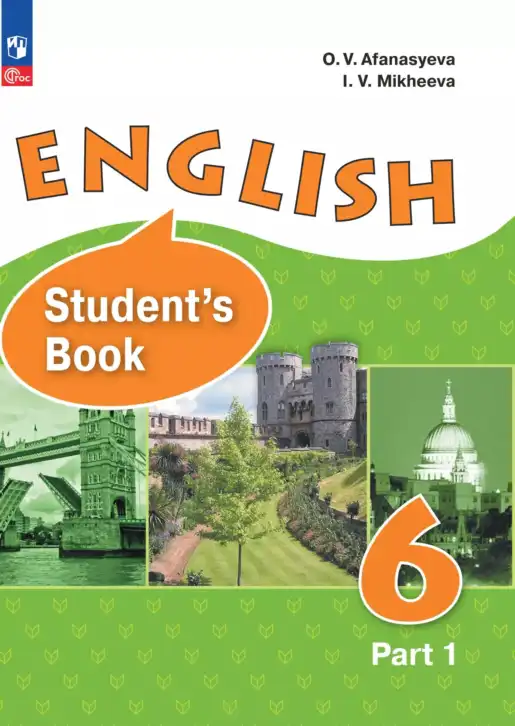
Учебник Английский язык Углубленный уровень для 6 класса от автора О.В. Афанасьевой и И.В. Михеевой – это популярное пособие, входящее в линейку УМК «Rainbow English». Он предназначен для детей, только начинающих изучать английский, и помогает сделать первые шаги в языке увлекательными и эффективными.
ГДЗ по Английскому языку 6 Класс Часть 2 Страница 160 Углубленный Уровень Афанасьева, Михеева — Подробные Ответы
Find the right place for the words in brackets.
1. Mary has been an extremely polite girl. (always)
2. — Where is mother? — She’s gone out. (just)
3. Nick resembles my uncle George. (often)
4. Is it raining? (still)
5. They were late for the English class yesterday. (both)
6. My aunt doesn’t eat out. (generally)
7. What do you have for breakfast? (usually)
8. My elder brother is ill. (never)
9. They stay at the same hotel every summer. (also)
10. I’ve got two cousins. We live in Moscow. (all)
Найдите правильное место для слов в скобках.
Ответ:
1. Mary has always been an extremely polite girl. (Мэри всегда была чрезвычайно вежливой девочкой.)
2. — Where is mother? — She’s just gone out. (— Где мама? — Она только что вышла.)
3. Nick often resembles my uncle George. (Ник часто похож на моего дядю Джорджа.)
4. Is it still raining? (Все еще идет дождь?)
5. They were both late for the English class yesterday. (Они оба вчера опоздали на урок английского.)
6. My aunt doesn’t generally eat out. (Моя тетя обычно не ест вне дома.)
7. What do you usually have for breakfast? (Что ты обычно ешь на завтрак?)
8. My elder brother is never ill. (Мой старший брат никогда не болеет.)
9. They also stay at the same hotel every summer. (Они также останавливаются в одном и том же отеле каждое лето.)
10. I’ve got two cousins. We all live in Moscow. (У меня есть два двоюродных брата/сестры. Мы все живем в Москве.)
1. Mary has always been an extremely polite girl. / Мэри всегда была чрезвычайно вежливой девочкой.
This sentence emphasizes that Mary has consistently shown politeness throughout her life. The word «always» shows that this has been her behavior for a long time, while «extremely» intensifies how polite she has been.
Это предложение подчеркивает, что Мэри всегда проявляла вежливость на протяжении всей своей жизни. Слово «всегда» показывает, что это было ее поведение долгое время, а «чрезвычайно» усиливает степень её вежливости.
2. — Where is mother? — She’s just gone out. / — Где мама? — Она только что вышла.
Here, the word «just» is used to indicate that the action (going out) happened very recently. It suggests that the mother left only a short time ago.
Здесь слово «только что» используется, чтобы показать, что действие (выход) произошло совсем недавно. Это предполагает, что мама ушла всего несколько минут назад.
3. Nick often resembles my uncle George. / Ник часто похож на моего дядю Джорджа.
The word «often» indicates that this similarity between Nick and his uncle George occurs on a regular basis. «Resembles» is used to express that they look alike.
Слово «часто» указывает на то, что это сходство между Ником и его дядей Джорджем происходит регулярно. «Похож» используется, чтобы выразить, что они внешне схожи.
4. Is it still raining? / Все еще идет дождь?
The word «still» asks if the rain is continuing at the present moment. It indicates that the rain might have started earlier and is possibly ongoing.
Слово «еще» используется, чтобы узнать, продолжается ли дождь в данный момент. Это указывает на то, что дождь мог начаться раньше и продолжает идти.
5. They were both late for the English class yesterday. / Они оба вчера опоздали на урок английского.
The word «both» shows that two people, in this case, both of them, were late for the class. It stresses that it applies to both individuals, not just one.
Слово «оба» показывает, что двое людей, в данном случае оба, опоздали на урок. Это подчеркивает, что это касается обоих, а не только одного.
6. My aunt doesn’t generally eat out. / Моя тетя обычно не ест вне дома.
The word «generally» shows that this is the typical behavior of the aunt, although it may not always be the case. «Eat out» means eating at a restaurant or somewhere outside the home.
Слово «обычно» указывает на то, что это типичное поведение тети, хотя это может не всегда так быть. «Есть вне дома» означает есть в ресторане или в другом месте вне дома.
7. What do you usually have for breakfast? / Что ты обычно ешь на завтрак?
«Usually» is used here to inquire about someone’s typical breakfast. It indicates that the question is about what normally happens, rather than something that happens just once.
«Обычно» используется здесь для того, чтобы узнать, что обычно человек ест на завтрак. Это показывает, что вопрос касается того, что происходит обычно, а не разово.
8. My elder brother is never ill. / Мой старший брат никогда не болеет.
The word «never» is used to indicate that something does not happen at all. In this case, it suggests that the elder brother has never been ill, emphasizing that it is very rare or impossible for him to be sick.
Слово «никогда» используется, чтобы показать, что нечто вообще не происходит. В данном случае это означает, что старший брат никогда не болел, подчеркивая, что это очень редко или невозможно.
9. They also stay at the same hotel every summer. / Они также останавливаются в одном и том же отеле каждое лето.
«Also» here indicates that in addition to something else, they have this habit of staying at the same hotel every year. «Every summer» shows the regularity of this action.
Здесь «также» указывает на то, что, помимо чего-то другого, у них есть эта привычка останавливаться в одном и том же отеле каждый год. «Каждое лето» показывает регулярность этого действия.
10. I’ve got two cousins. We all live in Moscow. / У меня есть два двоюродных брата/сестры. Мы все живем в Москве.
The word «all» emphasizes that every person in the group (the speaker and their cousins) lives in Moscow. It highlights that the speaker, along with their cousins, shares this same characteristic.
Слово «все» подчеркивает, что каждый человек в группе (говорящий и его двоюродные братья/сестры) живет в Москве. Это подчеркивает, что говорящий, вместе с его двоюродными братьями/сестрами, имеет эту общую характеристику.
a) Look at the pairs of verbs and remember what they mean.
| to take off | to take away | to take back | to give up |
| to make off | to give away | to give back | to make up |
b) Make the right choice and complete these sentences with the verbs given above.
1. Bill, … off your hat when you enter the room. 2. He asked me to … him back the money I had borrowed. 3. Don’t forget to … the bike back to Helen. You have been keeping it too long! 4. I think you should … up the idea of going there. It’s too dangerous. 5. Hurry up! The plane is … off in half an hour. 6. If you are not going to eat the salad, I’ll … it away. 7. The story Nick … up was the best. 8. He took a gun and … off. 9. If you are not going to collect stamps anymore, … your collection away to your little brother. 10. If you can’t do this crossword at once, don’t … up, try it again!
Сделайте правильный выбор и дополните эти предложения глаголами, данными выше.
Ответ:
1. Bill, take off your hat when you enter the room. / Билл, снимай шляпу, когда входишь в комнату.
2. He asked me to give him back the money I had borrowed. / Он попросил меня вернуть ему деньги, которые я занял.
3. Don’t forget to take the bike back to Helen. You have been keeping it too long! / Не забудь отвезти велосипед обратно Хелен. Ты держишь его у себя слишком долго!
4. I think you should give up the idea of going there. It’s too dangerous. / Я думаю, тебе следует отказаться от идеи пойти туда. Это слишком опасно.
5. Hurry up! The plane is taking off in half an hour. / Поторопись! Самолет взлетает через полчаса.
6. If you are not going to eat the salad, I’ll take it away. / Если ты не собираешься есть салат, я его уберу.
7. The story Nick made up was the best. / История, которую сочинил Ник, была лучшей.
8. He took a gun and made off. / Он взял пистолет и скрылся.
9. If you are not going to collect stamps anymore, give your collection away to your little brother. / Если ты больше не собираешься коллекционировать марки, отдай свою коллекцию младшему брату.
10. If you can’t do this crossword at once, don’t give up, try it again! / Если ты не можешь разгадать этот кроссворд сразу, не сдавайся, попробуй еще раз!
1. Bill, take off your hat when you enter the room. / Билл, снимай шляпу, когда входишь в комнату.
The phrase «take off» refers to removing something, in this case, Bill’s hat. The instruction is clear: when Bill enters the room, he should remove his hat. This is a polite and common request.
Фраза «снимай» означает убрать что-то, в данном случае шляпу Билла. Инструкция ясна: когда Билл входит в комнату, ему следует снять шляпу. Это вежливая и обычная просьба.
2. He asked me to give him back the money I had borrowed. / Он попросил меня вернуть ему деньги, которые я занял.
The phrase «give back» means to return something to its owner. In this case, the money that was borrowed is being asked to be returned. The action of returning is emphasized.
Фраза «вернуть» означает отдать что-то обратно владельцу. В данном случае просят вернуть деньги, которые были заняты. Акцент сделан на действии возврата.
3. Don’t forget to take the bike back to Helen. You have been keeping it too long! / Не забудь отвезти велосипед обратно Хелен. Ты держишь его у себя слишком долго!
«Take back» means to return something to its original place or owner. The bike was likely borrowed, and the request is to return it to Helen. The tone suggests that the bike has been kept for too long.
«Отвезти обратно» означает вернуть что-то на его место или владельцу. Велосипед, вероятно, был взят взаймы, и просьба заключается в том, чтобы вернуть его Хелен. Тон предполагает, что велосипед у тебя слишком долго.
4. I think you should give up the idea of going there. It’s too dangerous. / Я думаю, тебе следует отказаться от идеи пойти туда. Это слишком опасно.
«Give up» means to stop trying or to abandon something. In this case, the suggestion is to stop thinking about or planning to go to a dangerous place.
«Отказаться» означает прекратить что-то делать или оставить какое-то занятие. В данном случае предлагается прекратить думать о походе в опасное место.
5. Hurry up! The plane is taking off in half an hour. / Поторопись! Самолет взлетает через полчаса.
«Take off» refers to the moment when an airplane begins to rise into the air. The urgency is emphasized here since the plane is leaving soon, and the speaker wants the listener to hurry.
«Взлетает» означает момент, когда самолет начинает подниматься в воздух. Здесь подчеркивается срочность, поскольку самолет скоро уходит, и говорящий хочет, чтобы собеседник поторопился.
6. If you are not going to eat the salad, I’ll take it away. / Если ты не собираешься есть салат, я его уберу.
«Take away» means to remove something from the place where it is. In this case, if the salad isn’t going to be eaten, it will be removed from the table or area.
«Уберу» означает забрать что-то с места, где это находится. В данном случае, если салат не будет съеден, его уберут с стола или другого места.
7. The story Nick made up was the best. / История, которую сочинил Ник, была лучшей.
«Made up» refers to something created or invented, typically a story or idea that is not real. In this case, Nick created a fictional story, and it is being praised as the best.
«Сочинил» означает придумать или выдумать что-то, обычно историю или идею, которая не является реальной. В данном случае Ник придумал вымышленную историю, и она была признана лучшей.
8. He took a gun and made off. / Он взял пистолет и скрылся.
«Made off» means to escape quickly or run away. Here, it suggests that after taking the gun, the person quickly left the scene.
«Скрылся» означает быстро сбежать или убежать. Здесь это указывает на то, что после того как он взял пистолет, он быстро покинул место происшествия.
9. If you are not going to collect stamps anymore, give your collection away to your little brother. / Если ты больше не собираешься коллекционировать марки, отдай свою коллекцию младшему брату.
«Give away» means to give something to someone, typically as a gift or because you no longer need it. In this case, if the person is no longer collecting stamps, they are advised to give their collection to their little brother.
«Отдай» означает передать что-то кому-то, обычно в подарок или потому, что это больше не нужно. В данном случае, если человек больше не собирается коллекционировать марки, ему советуют отдать свою коллекцию младшему брату.
10. If you can’t do this crossword at once, don’t give up, try it again! / Если ты не можешь разгадать этот кроссворд сразу, не сдавайся, попробуй еще раз!
«Give up» means to quit or stop trying. The advice is not to stop attempting the crossword, but to try again, indicating perseverance.
«Не сдавайся» означает прекратить попытки или перестать что-то делать. Совет заключается в том, чтобы не прекращать пытаться разгадать кроссворд, а попробовать снова, подчеркивая настойчивость.
Read the text and say: a) what ways people use to make new words; b) how many words the most complete dictionary of the English language has.
WORDS WE USE
78. As you know, one of the very good ways to get new words is to borrow them from other people. English is full of words borrowed from other languages. The possibilities for borrowing words are endless.
People can also make new words by using the names of people or places or the characters in stories. The word atlas¹ has that name because long ago on a famous collection of maps, there was a picture of the Greek god Atlas holding up the world.
People can make words by cutting big ones down into small ones. When you say a mechanical person is a robot [‘rəʊbɒt], you are using a cut-down form of robotnik, which means worker in several Slavic¹ languages. Nowadays people often say doc instead of doctor; phone — instead of telephone; fridge — instead of refrigerator.
You cut down long word combinations or sentences and make them into short words by joining together the first letters of each word. UNESCO² comes from the United Nations Educational, Scientific and Cultural Organization. MP stands for a member of Parliament, USA — for the United States of America.
One of the most complete dictionaries of the English language is Webster’s Third New International Dictionary. It has more than 700 000 words. No person knows all of them, but most grown-ups are able to understand about 35 000 words. In fact, people use only about one-tenth of the words they understand.
Прочитайте текст и скажите: а) какие способы люди используют, чтобы создавать новые слова; б) сколько слов содержит самый полный словарь английского языка.
Ответ:
a) People use several ways to make new words: borrowing words from other languages; using the names of people, places, or characters; cutting big words down into small ones; and making short words by joining together the first letters of each word from long combinations.
(Люди используют несколько способов для создания новых слов: заимствование слов из других языков; использование имен людей, названий мест или персонажей; сокращение больших слов; и создание коротких слов путем объединения первых букв каждого слова из длинных словосочетаний.)
b) The most complete dictionary of the English language has more than 700 000 words.
(Самый полный словарь английского языка содержит более 700 000 слов.)
a) People use several ways to make new words: borrowing words from other languages; using the names of people, places, or characters; cutting big words down into small ones; and making short words by joining together the first letters of each word from long combinations.
(Люди используют несколько способов для создания новых слов: заимствование слов из других языков; использование имен людей, названий мест или персонажей; сокращение больших слов; и создание коротких слов путем объединения первых букв каждого слова из длинных словосочетаний.)
- Borrowing words from other languages: English has adopted many words from other languages, such as «sushi» from Japanese, «piano» from Italian, and «café» from French. This process helps expand the vocabulary by incorporating terms from various cultures.
(Заимствование слов из других языков): Английский язык заимствовал множество слов из других языков, таких как «суши» из японского, «пианино» из итальянского и «кафе» из французского. Этот процесс помогает расширить словарный запас, включая термины из различных культур.
- Using the names of people, places, or characters: Many words come from names. For example, «Sandwich» comes from the name of the Earl of Sandwich, and «Boycott» originates from Charles Boycott. These names were turned into verbs or nouns that are now commonly used.
(Использование имен людей, названий мест или персонажей): Многие слова происходят от имен. Например, «сандвич» происходит от имени графа Сэндвича, а «бойкот» — от имени Чарльза Бойкотта. Эти имена были превращены в глаголы или существительные, которые теперь широко используются.
- Cutting big words down into small ones: This includes shortening longer words to make them easier to use. For instance, «telephone» becomes «phone,» and «refrigerator» becomes «fridge.» This process is called «clipping.»
(Сокращение больших слов): Это включает в себя сокращение длинных слов, чтобы их было легче использовать. Например, «телефон» становится «фон», а «холодильник» — «фриж». Этот процесс называется «сокращением».
- Making short words by joining together the first letters of each word from long combinations: This is known as «acronyms.» Examples include «NASA» (National Aeronautics and Space Administration) and «TV» (television). Acronyms are often used to make long phrases more convenient.
(Создание коротких слов путем объединения первых букв каждого слова из длинных словосочетаний): Это называется «акронимами». Примеры включают «NASA» (Национальная аэрокосмическая и космическая администрация) и «TV» (телевидение). Акронимы часто используются для того, чтобы сделать длинные фразы более удобными.
b) The most complete dictionary of the English language has more than 700,000 words.
(Самый полный словарь английского языка содержит более 700 000 слов.)
The number of words in the English language is constantly growing because of the continual process of word formation. Dictionaries, like the Oxford English Dictionary (OED), regularly update their entries to include new words and slang, reflecting the dynamic nature of language. While there are over 700,000 words in the most comprehensive dictionaries, it’s important to note that many of these words are specialized or archaic, not used in everyday conversation.
(Количество слов в английском языке постоянно растет из-за процесса создания новых слов. Такие словари, как Оксфордский словарь английского языка (OED), регулярно обновляют свои записи, чтобы включить новые слова и сленг, отражая динамичную природу языка. Хотя в самых полных словарях насчитывается более 700 000 слов, важно отметить, что многие из этих слов специализированные или устаревшие, и не используются в повседневной речи.)

Оставь свой отзыв 💬
Комментариев пока нет, будьте первым!