

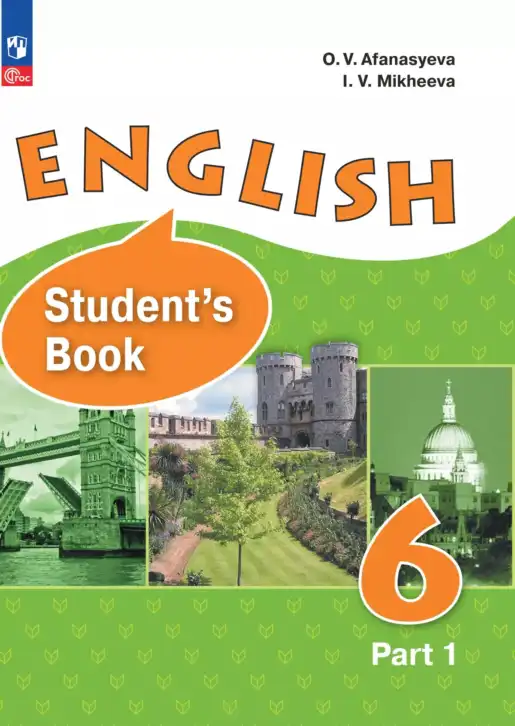
Учебник Английский язык Углубленный уровень для 6 класса от автора О.В. Афанасьевой и И.В. Михеевой – это популярное пособие, входящее в линейку УМК «Rainbow English». Он предназначен для детей, только начинающих изучать английский, и помогает сделать первые шаги в языке увлекательными и эффективными.
ГДЗ по Английскому языку 6 Класс Часть 2 Страница 106 Углубленный Уровень Афанасьева, Михеева — Подробные Ответы
Choose the right item.
1. When we got up, the sun ….
a) already rose
b) had already risen
c) has already risen
2. Many years ago people ….
a) wore funny clothes
b) wear funny clothes
c) had worn funny clothes
3. I … home very early yesterday afternoon.
a) had come
b) was coming
c) came
4. When we entered the hall, the music … loudly.
a) was playing
b) played
c) had played
5. While my friend …., I was watching the birds.
a) fished
b) had fished
c) was fishing
6. He said I … up the story myself.
a) made
b) make
c) had made
7. My elder brother … school 3 years ago.
a) finishes
b) finished
c) had finished
8. Before mother called us, she … the table.
a) set
b) was setting
c) had set
Выберите правильный вариант.
Ответ:
1. When we got up, the sun had already risen. (Когда мы встали, солнце уже взошло.)
2. Many years ago people wore funny clothes. (Много лет назад люди носили забавную одежду.)
3. I came home very early yesterday afternoon. (Вчера днём я пришёл домой очень рано.)
4. When we entered the hall, the music was playing loudly. (Когда мы вошли в зал, громко играла музыка.)
5. While my friend was fishing, I was watching the birds. (Пока мой друг рыбачил, я наблюдал за птицами.)
6. He said I made up the story myself. (Он сказал, что я сам выдумал эту историю.)
7. My elder brother finished school 3 years ago. (Мой старший брат окончил школу 3 года назад.)
8. Before mother called us, she had set the table. (Прежде чем мама позвала нас, она накрыла на стол.)
1. When we got up, the sun had already risen.
- Past perfect («had risen») is used here because the action of the sun rising occurred before the action of getting up. The past perfect tense describes an event that happened earlier than another past event.
2. Many years ago people wore funny clothes.
- Past simple («wore») is used to describe an action in the past that happened at a specific point in time. The phrase «many years ago» indicates when the action took place.
3. I came home very early yesterday afternoon.
- Past simple («came») is used here because the action of coming home happened at a specific moment in the past (yesterday afternoon). The use of «yesterday» indicates a definite time.
4. When we entered the hall, the music was playing loudly.
- Past continuous («was playing») is used here because the music was in progress at the moment when they entered. This tense describes an action that was ongoing in the past when another action happened.
5. While my friend was fishing, I was watching the birds.
- Past continuous («was fishing», «was watching») is used to describe two parallel actions that were happening at the same time in the past. The phrase «while» signals that both actions were in progress simultaneously.
6. He said I made up the story myself.
- Past simple («made up») is used because it refers to an action completed in the past. «He said» introduces a statement about a past event.
7. My elder brother finished school 3 years ago.
- Past simple («finished») is used because the completion of school is an event in the past, and «3 years ago» specifies when it happened.
8. Before mother called us, she had set the table.
- Past perfect («had set») is used to show that the action of setting the table was completed before the action of calling. The past perfect emphasizes the completion of one action before another past event.
1. Когда мы встали, солнце уже взошло.
- Прошедшее совершенное («взошло») используется, потому что восход солнца произошёл до того, как мы встали. Прошедшее совершенное время описывает событие, которое произошло до другого события в прошлом.
2. Много лет назад люди носили забавную одежду.
- Прошедшее простое («носили») используется для описания действия, которое произошло в прошлом в определённый момент времени. Фраза «много лет назад» указывает, когда это произошло.
3. Вчера днём я пришёл домой очень рано.
- Прошедшее простое («пришёл») используется, потому что действие (приход домой) произошло в определённый момент в прошлом (вчера днём). Использование «вчера» указывает на конкретное время.
4. Когда мы вошли в зал, громко играла музыка.
- Прошедшее продолженное («играла») используется, потому что музыка играла на момент их входа в зал. Это время описывает действие, которое происходило в прошлом в момент, когда произошло другое событие.
5. Пока мой друг рыбачил, я наблюдал за птицами.
- Прошедшее продолженное («рыбачил», «наблюдал») используется для описания двух параллельных действий, которые происходили одновременно в прошлом. Фраза «пока» указывает на то, что оба действия происходили одновременно.
6. Он сказал, что я сам выдумал эту историю.
- Прошедшее простое («выдумал») используется, потому что речь идет о действии, завершённом в прошлом. «Он сказал» вводит утверждение о событии, которое произошло в прошлом.
7. Мой старший брат окончил школу 3 года назад.
- Прошедшее простое («окончил») используется, потому что окончание школы — это событие в прошлом, а «3 года назад» уточняет, когда это произошло.
8. Прежде чем мама позвала нас, она накрыла на стол.
- Прошедшее совершенное («накрыла») используется, чтобы показать, что действие накрывания на стол было завершено до того, как мама нас позвала. Прошедшее совершенное время акцентирует внимание на завершенности одного действия до другого события в прошлом.
Complete the sentences opening the brackets.
1. When the bell rang, the children (to run) into the classroom and (to take) their seats.
2. When I opened the door, the lesson (to begin) and the teacher (to explain) something to the class.
3. Before we (to take) the boy to the theatre, he (never to see) a play.
4. I (to clean) the carpet when the dog (to come) and (to shake) himself.
5. By the time we (to arrive) the party (to finish).
6. — What you (to do) when I (to call) you? — I (to cook).
7. When I (to get) to the playground, my friend already (to leave) so I (not to see) him that day.
8. We (to have) a good long holiday after we (to do) all the work.
Дополните предложения, раскрыв скобки.
Ответ:
1. When the bell rang, the children ran into the classroom and took their seats. — Когда прозвенел звонок, дети вбежали в класс и заняли свои места.
2. When I opened the door, the lesson had begun and the teacher was explaining something to the class. — Когда я открыл дверь, урок уже начался, и учитель что-то объяснял классу.
3. Before we took the boy to the theatre, he had never seen a play. — До того, как мы отвели мальчика в театр, он никогда не видел пьес.
4. I was cleaning the carpet when the dog came and shook himself. — Я чистил ковер, когда пришла собака и отряхнулась.
5. By the time we arrived, the party had finished. — К тому времени, как мы приехали, вечеринка уже закончилась.
6. — What were you doing when I called you? — I was cooking. — — Что ты делал, когда я тебе звонил? — Я готовил.
7. When I got to the playground, my friend had already left so I did not see him that day. — Когда я пришел на игровую площадку, мой друг уже ушел, поэтому я не видел его в тот день.
8. We had a good long holiday after we had done all the work. — У нас были хорошие длинные каникулы после того, как мы сделали всю работу.
1. When the bell rang, the children ran into the classroom and took their seats.
- Past simple («rang», «ran», «took») is used for actions that happen in sequence in the past. The bell rang first, then the children ran into the classroom and took their seats right after that.
2. When I opened the door, the lesson had begun and the teacher was explaining something to the class.
- Past perfect («had begun») is used to show that the lesson started before the door was opened. Past continuous («was explaining») describes an action that was ongoing at the moment the door was opened.
3. Before we took the boy to the theatre, he had never seen a play.
- Past perfect («had never seen») shows that the boy had never seen a play before we took him to the theatre. This is an action that was completed before another action (taking him to the theatre) in the past.
4. I was cleaning the carpet when the dog came and shook himself.
- Past continuous («was cleaning») is used to describe an action that was happening when another action interrupted it. Past simple («came», «shook») is used for actions that happened in the past and interrupted the ongoing activity.
5. By the time we arrived, the party had finished.
- Past perfect («had finished») is used to show that the party was completed before we arrived. The past perfect emphasizes that one action (the party finishing) happened before another action (our arrival).
6. — What were you doing when I called you? — I was cooking.
- Past continuous («were doing», «was cooking») is used to describe an action that was in progress at a specific moment in the past. The action of calling occurred while the speaker was cooking.
7. When I got to the playground, my friend had already left so I did not see him that day.
- Past perfect («had already left») indicates that the friend left before the speaker arrived. Past simple («did not see») is used for the result of this action, which occurred later in the past.
8. We had a good long holiday after we had done all the work.
- Past perfect («had done») shows that the work was completed before the holiday began. Past simple («had») describes the holiday as a simple event that followed the completion of the work.
1. Когда прозвенел звонок, дети вбежали в класс и заняли свои места.
- Прошедшее простое («прозвенел», «вбежали», «заняли») используется для описания последовательных действий в прошлом. Звонок прозвенел первым, затем дети вбежали в класс и заняли свои места сразу после этого.
2. Когда я открыл дверь, урок уже начался, и учитель что-то объяснял классу.
- Прошедшее совершенное («начался») показывает, что урок начался до того, как я открыл дверь. Прошедшее продолженное («объяснял») описывает действие, которое происходило в момент открытия двери.
3. До того, как мы отвели мальчика в театр, он никогда не видел пьес.
- Прошедшее совершенное («никогда не видел») показывает, что мальчик никогда не видел пьес до того, как мы его отвели в театр. Это действие произошло до другого действия (отведения его в театр) в прошлом.
4. Я чистил ковер, когда пришла собака и отряхнулась.
- Прошедшее продолженное («чистил») используется для описания действия, которое происходило, когда другое действие его прервало. Прошедшее простое («пришла», «отряхнулась») описывает действия, которые произошли в прошлом и прервали текущую активность.
5. К тому времени, как мы приехали, вечеринка уже закончилась.
- Прошедшее совершенное («закончилась») используется, чтобы показать, что вечеринка завершилась до того, как мы приехали. Прошедшее совершенное акцентирует внимание на том, что одно действие (конец вечеринки) произошло до другого действия (нашего приезда).
6. — Что ты делал, когда я тебе звонил? — Я готовил.
- Прошедшее продолженное («делал», «готовил») используется для описания действия, которое происходило в определенный момент в прошлом. Действие звонка произошло, когда говорящий готовил.
7. Когда я пришел на игровую площадку, мой друг уже ушел, поэтому я не видел его в тот день.
- Прошедшее совершенное («ушел») указывает на то, что друг ушел до того, как я пришел на площадку. Прошедшее простое («не видел») описывает результат этого действия, который произошел позже.
8. У нас были хорошие длинные каникулы после того, как мы сделали всю работу.
- Прошедшее совершенное («сделали») показывает, что работа была завершена до начала каникул. Прошедшее простое («были») описывает каникулы как простое событие, которое произошло после завершения работы.

Оставь свой отзыв 💬
Комментариев пока нет, будьте первым!