

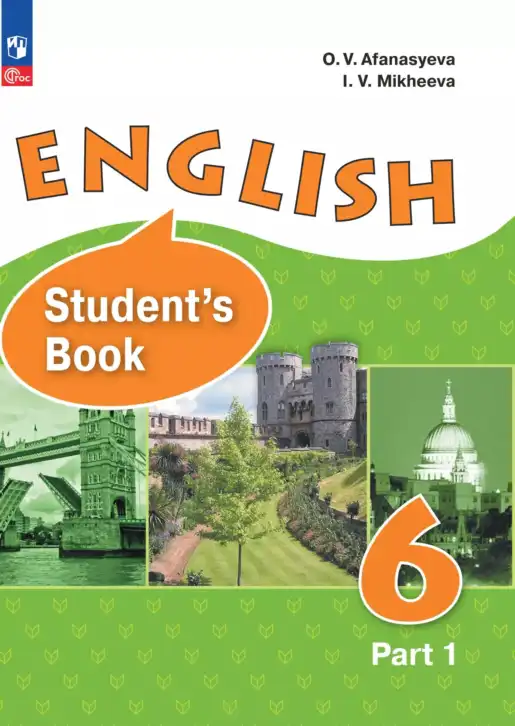
Учебник Английский язык Углубленный уровень для 6 класса от автора О.В. Афанасьевой и И.В. Михеевой – это популярное пособие, входящее в линейку УМК «Rainbow English». Он предназначен для детей, только начинающих изучать английский, и помогает сделать первые шаги в языке увлекательными и эффективными.
ГДЗ по Английскому языку 6 Класс Часть 2 Страница 10 Углубленный Уровень Афанасьева, Михеева — Подробные Ответы
Guess the meanings of these words and check yourselves. See the vocabulary at the end of the Student’s Book.
| glove-maker | lawmaker |
| shoemaker | clock-maker |
| dressmaker | troublemaker |
| coffee maker | holidaymaker |
Угадайте значения этих слов и проверьте себя. Посмотрите словарь в конце учебника.
Ответ:
glove-maker: a person or company that makes gloves (производитель перчаток)
shoemaker: a person who makes or repairs shoes (сапожник)
dressmaker: a person who makes clothes for women (портниха)
coffee maker: an electric machine that makes coffee (кофеварка)
lawmaker: a person who makes laws (законодатель)
clock-maker: a person who makes or repairs clocks (часовщик)
troublemaker: a person who often causes trouble (смутьян, нарушитель спокойствия)
holidaymaker: a person on holiday away from home (отдыхающий, турист)
Ответ:
- glove-maker: a person or company that makes gloves
glove-maker — человек или компания, которые изготавливают перчатки. - shoemaker: a person who makes or repairs shoes
shoemaker — человек, который изготавливает или ремонтирует обувь. - dressmaker: a person who makes clothes for women
dressmaker — портниха, человек, который шьет одежду для женщин. - coffee maker: an electric machine that makes coffee
coffee maker — электрическая машина, которая готовит кофе. - lawmaker: a person who makes laws
lawmaker — законодатель, человек, который разрабатывает законы. - clock-maker: a person who makes or repairs clocks
clock-maker — человек, который изготавливает или ремонтирует часы. - troublemaker: a person who often causes trouble
troublemaker — человек, который часто создает проблемы или нарушает порядок. - holidaymaker: a person on holiday away from home
holidaymaker — турист, человек, который отдыхает вдали от дома. - glove-maker: a person or company that makes gloves
glove-maker — a person or company that specializes in manufacturing gloves. - shoemaker: a person who makes or repairs shoes
shoemaker — a professional who crafts or repairs footwear. - dressmaker: a person who makes clothes for women
dressmaker — a specialist who creates custom clothing for women. - coffee maker: an electric machine that makes coffee
coffee maker — an appliance designed to brew coffee, typically powered by electricity. - lawmaker: a person who makes laws
lawmaker — an individual or group responsible for creating, amending, or enacting laws. - clock-maker: a person who makes or repairs clocks
clock-maker — an artisan who designs, assembles, or fixes timepieces. - troublemaker: a person who often causes trouble
troublemaker — someone who frequently creates disturbances, problems, or unrest. - holidaymaker: a person on holiday away from home
holidaymaker — a person who is traveling for leisure or vacation, often away from their usual residence.
Complete the sentences. Use the words from ex. 10, ex. 11.
1. A boy or a girl between the ages of 13 and 19 is a ….
2. A big wild animal with long horns is called a ….
3. If someone acts or speaks foolishly (like a fool) we say that he or she is ….
4. Two people born to one mother at the same time are ….
5. A river is a big stream of water between two ….
6. A person who takes things belonging to other people (who steals) is a ….
7. If you cry at the top of your voice you ….
8. Poets write ….
Законилите предложения. Используйте слова из упр. 10, упр. 11.
Ответы:
- teenager; 2. deer; 3. stupid; 4. twins; 5. banks; 6. thief; 7. scream; 8. poetry
Перевод:
- Мальчик или девочка в возрасте от 13 до 19 лет — это подросток.
- Большое дикое животное с длинными рогами называется олень.
- Если кто-то ведет себя или говорит глупо (как дурак), мы говорим, что он или она глупые.
- Два человека, рожденные от одной матери в одно и то же время, являются близнецами.
- Река — это большой поток воды между двумя берегами.
- Человек, который забирает вещи, принадлежащие другим людям (который крадет) — это вор.
- Если ты плачешь во весь голос, ты кричишь.
- Поэты пишут поэзию.
Complete the sentences. Use the words from ex. 10, ex. 11.
1. A boy or a girl between the ages of 13 and 19 is a ….
- Answer: teenager
- Explanation: A «teenager» is someone between the ages of 13 and 19. The word comes from the word «teen,» which refers to the numbers 13 to 19.
- Перевод: Мальчик или девочка в возрасте от 13 до 19 лет называется подростком.
2. A big wild animal with long horns is called a ….
- Answer: deer
- Explanation: A «deer» is a large wild animal with antlers (long horns), often found in forests or open fields.
- Перевод: Большое дикое животное с длинными рогами называется олень.
3. If someone acts or speaks foolishly (like a fool) we say that he or she is ….
- Answer: stupid
- Explanation: «Stupid» refers to someone who acts in a foolish or unwise way, showing a lack of intelligence or good judgment.
- Перевод: Если кто-то ведет себя или говорит глупо (как дурак), мы говорим, что он или она глупые.
4. Two people born to one mother at the same time are ….
- Answer: twins
- Explanation: «Twins» are two children born to the same mother at the same time. They share the same birthday and are often similar in appearance.
- Перевод: Два человека, рожденные от одной матери в одно и то же время, называются близнецами.
5. A river is a big stream of water between two ….
- Answer: banks
- Explanation: «Banks» refer to the land along the sides of a river or stream. It is where the river flows between.
- Перевод: Река — это большой поток воды между двумя берегами.
6. A person who takes things belonging to other people (who steals) is a ….
- Answer: thief
- Explanation: A «thief» is someone who steals, taking things that do not belong to them.
- Перевод: Человек, который забирает вещи, принадлежащие другим людям (кто крадет), называется вором.
7. If you cry at the top of your voice you ….
- Answer: scream
- Explanation: «Scream» means to cry out loudly, often due to fear, pain, or anger.
- Перевод: Если ты плачешь во весь голос, ты кричишь.
8. Poets write ….
- Answer: poetry
- Explanation: «Poetry» is a form of writing that expresses ideas, emotions, or stories through rhythm, rhyme, and symbolism.
- Перевод: Поэты пишут поэзию.
Say how they earn their living.
Example: A pilot flies a plane. A dressmaker makes dresses.
1. A pilot … .
2. … makes dresses.
3. A baker … .
4. … writes for a newspaper.
5. … sells vegetables and fruit.
6. A doctor … .
7. A teacher … .
8. … writes novels, stories.
9. … plays in a theatre.
10. A glove-maker … .
11. … makes shoes.
12. … plays professional football.
Скажите, как они зарабатывают на жизнь.
Ответ:
1. A pilot flies a plane. / Пилот управляет самолетом.
2. A dressmaker makes dresses. / Портниха шьет платья.
3. A baker bakes bread. / Пекарь печет хлеб.
4. A journalist writes for a newspaper. / Журналист пишет для газеты.
5. A greengrocer sells vegetables and fruit. / Продавец овощей и фруктов продает овощи и фрукты.
6. A doctor treats people. / Врач лечит людей.
7. A teacher teaches pupils. / Учитель учит учеников.
8. A writer writes novels, stories. / Писатель пишет романы, рассказы.
9. An actor plays in a theatre. / Актер играет в театре.
10. A glove-maker makes gloves. / Мастер по изготовлению перчаток делает перчатки.
11. A shoemaker makes shoes. / Сапожник делает обувь.
12. A football player plays professional football. / Футболист играет в профессиональный футбол.
1. A pilot flies a plane. / Пилот управляет самолетом.
- Explanation: A pilot is responsible for flying an aircraft, ensuring that the plane operates safely and efficiently during flight. Pilots must have specialized training and a flying license.
- Перевод: Пилот управляет самолетом, обеспечивая его безопасное и эффективное движение во время полета. Пилоты должны пройти специальное обучение и получить лицензию.
2. A dressmaker makes dresses. / Портниха шьет платья.
- Explanation: A dressmaker is someone who creates clothing, specifically dresses, often tailoring them to the needs and preferences of the client. They work with fabric, patterns, and sewing techniques.
- Перевод: Портниха — это человек, который создает одежду, особенно платья, часто адаптируя их под нужды и предпочтения клиента. Она работает с тканью, выкройками и швейными техниками.
3. A baker bakes bread. / Пекарь печет хлеб.
- Explanation: A baker is responsible for baking a variety of bread, cakes, pastries, and other baked goods. They use ovens and baking techniques to prepare food.
- Перевод: Пекарь — это человек, который занимается выпечкой хлеба, тортов, выпечки и других изделий. Он использует печи и технику выпекания для приготовления пищи.
4. A journalist writes for a newspaper. / Журналист пишет для газеты.
- Explanation: A journalist investigates and reports news, writing articles for newspapers, magazines, websites, or other media outlets. They often interview sources and gather information on current events.
- Перевод: Журналист занимается исследованием и написанием новостей, создавая статьи для газет, журналов, веб-сайтов или других медиа. Он часто проводит интервью и собирает информацию о текущих событиях.
5. A greengrocer sells vegetables and fruit. / Продавец овощей и фруктов продает овощи и фрукты.
- Explanation: A greengrocer is a person who sells fresh fruits, vegetables, and sometimes other products like herbs. They may work in a market, grocery store, or specialized shop.
- Перевод: Продавец овощей и фруктов — это человек, который продает свежие фрукты и овощи, а иногда и другие продукты, такие как травы. Он может работать на рынке, в продуктовом магазине или специализированном магазине.
6. A doctor treats people. / Врач лечит людей.
- Explanation: A doctor diagnoses and treats illnesses and injuries. They provide medical care, prescribe medications, and offer advice on health issues.
- Перевод: Врач ставит диагнозы и лечит болезни и травмы. Он оказывает медицинскую помощь, прописывает лекарства и дает советы по вопросам здоровья.
7. A teacher teaches pupils. / Учитель учит учеников.
- Explanation: A teacher is responsible for educating students, imparting knowledge in subjects like math, science, literature, and others. They help students develop skills and guide them in their learning.
- Перевод: Учитель отвечает за обучение учеников, передавая знания по предметам, таким как математика, наука, литература и другие. Он помогает ученикам развивать навыки и направляет их в обучении.
8. A writer writes novels, stories. / Писатель пишет романы, рассказы.
- Explanation: A writer creates literary works such as novels, short stories, or poetry. They use their imagination and creativity to tell stories, and their works are often published in books or magazines.
- Перевод: Писатель создает литературные произведения, такие как романы, рассказы или поэзию. Он использует свое воображение и творчество для написания историй, которые часто публикуются в книгах или журналах.
9. An actor plays in a theatre. / Актер играет в театре.
- Explanation: An actor performs in plays, movies, or television shows. In the theater, they act on stage, portraying characters in various performances.
- Перевод: Актер исполняет роли в театре, фильмах или телевизионных шоу. В театре он играет на сцене, изображая персонажей в различных спектаклях.
10. A glove-maker makes gloves. / Мастер по изготовлению перчаток делает перчатки.
- Explanation: A glove-maker is a person who specializes in making gloves, whether by hand or machine. They may create gloves from leather, fabric, or other materials.
- Перевод: Мастер по изготовлению перчаток — это человек, который занимается созданием перчаток, будь то вручную или с помощью машины. Он может создавать перчатки из кожи, ткани или других материалов.
11. A shoemaker makes shoes. / Сапожник делает обувь.
- Explanation: A shoemaker makes shoes, repairing or creating new pairs for clients. They often work with leather, rubber, or synthetic materials.
- Перевод: Сапожник изготавливает обувь, ремонтируя или создавая новые пары для клиентов. Он часто работает с кожей, резиной или синтетическими материалами.
12. A football player plays professional football. / Футболист играет в профессиональный футбол.
- Explanation: A football player plays soccer (football) at a professional level, either for a club or national team. They train, play in matches, and compete in various leagues.
- Перевод: Футболист играет в футбол на профессиональном уровне, как за клуб, так и за национальную команду. Он тренируется, играет в матчах и участвует в различных лигах.
Say:
1) when your parents were last pleased; 2) why teachers often ask their pupils “Act your age!”; 3) which of your friends comes to meet you at the exact time you expect him; 4) what people are called twins; 5) what questions you think are stupid; 6) what you usually do to please your mother; 7) what fairy tales about wicked witches you remember.
Скажите: 1) когда ваши родители были довольны в последний раз; 2) почему учителя часто говорят своим ученикам «Веди себя соответственно своему возрасту!»; 3) кто из ваших друзей приходит на встречу с вами точно в то время, когда вы его ожидаете; 4) каких людей называют близнецами; 5) какие вопросы вы считаете глупыми; 6) что вы обычно делаете, чтобы порадовать свою маму; 7) какие сказки о злых ведьмах вы помните.
Ответ:
1) My parents were last pleased yesterday when I got a good grade in my math test. (Мои родители были в последний раз довольны вчера, когда я получил хорошую оценку за контрольную по математике.)
2) Teachers say «Act your age!» when we are noisy in class or behave like little kids. (Учителя говорят «Веди себя соответственно своему возрасту!», когда мы шумим в классе или ведём себя как маленькие дети.)
3) My friend Alex is very punctual. He always comes on time. (Мой друг Алекс очень пунктуальный. Он всегда приходит вовремя.)
4) People who are born at the same time to the same mother are called twins. (Людей, которые родились в одно и то же время у одной матери, называют близнецами.)
5) I think questions with obvious answers are stupid, for example, when you are reading a book and someone asks «Are you reading?». (Я думаю, что глупые вопросы — это вопросы с очевидными ответами, например, когда ты читаешь книгу, а кто-то спрашивает: «Ты читаешь?»)
6) To please my mother, I usually help her with the housework and try to do my homework without being reminded. (Чтобы порадовать маму, я обычно помогаю ей по дому и стараюсь делать уроки без напоминаний.)
7) I remember «Hansel and Gretel» and «The Wizard of Oz». Both have wicked witches. (Я помню «Гензель и Гретель» и «Волшебник страны Оз». В обеих сказках есть злые ведьмы.)
1) My parents were last pleased yesterday when I got a good grade in my math test.
- Explanation: My parents were happy when I received a good grade for my math test. It shows that they appreciate my hard work and effort in school.
- Перевод: Мои родители были в последний раз довольны вчера, когда я получил хорошую оценку за контрольную по математике. Это показывает, что они ценят мои усилия и труд в учебе.
2) Teachers say «Act your age!» when we are noisy in class or behave like little kids.
- Explanation: Teachers use this phrase to remind students to act maturely and responsibly, according to their age. It is said when a student behaves in a childish or immature way.
- Перевод: Учителя говорят «Веди себя соответственно своему возрасту!», когда мы шумим в классе или ведём себя как маленькие дети. Это фраза, которую учителя используют, чтобы напомнить ученикам вести себя более зрелыми и ответственными, соответствующими их возрасту.
3) My friend Alex is very punctual. He always comes on time.
- Explanation: Alex is someone who values time and ensures he arrives exactly when he is expected. Being punctual is a sign of respect for others and their time.
- Перевод: Мой друг Алекс очень пунктуальный. Он всегда приходит вовремя. Алекс ценит время и всегда приходит точно вовремя, когда его ожидают. Пунктуальность — это знак уважения к другим и их времени.
4) People who are born at the same time to the same mother are called twins.
- Explanation: Twins are two children who are born from the same pregnancy. They can either be identical (coming from one egg) or fraternal (coming from two different eggs).
- Перевод: Людей, которые родились в одно и то же время у одной матери, называют близнецами. Близнецы — это два ребенка, рожденных в одной беременности. Они могут быть однояйцевыми (если происходят из одного яйца) или разнополыми (если происходят из двух разных яиц).
5) I think questions with obvious answers are stupid, for example, when you are reading a book and someone asks «Are you reading?».
- Explanation: A question is considered silly or unnecessary if the answer is already clear. In this case, asking if someone is reading a book while they are reading is pointless.
- Перевод: Я думаю, что глупые вопросы — это вопросы с очевидными ответами, например, когда ты читаешь книгу, а кто-то спрашивает: «Ты читаешь?». Вопрос считается глупым или ненужным, если ответ уже очевиден. В этом случае спрашивать, читаешь ли ты книгу, когда ты читаешь, не имеет смысла.
6) To please my mother, I usually help her with the housework and try to do my homework without being reminded.
- Explanation: Helping around the house and being proactive with homework are small but meaningful ways to show appreciation for my mother. It makes her happy when I contribute without being asked.
- Перевод: Чтобы порадовать маму, я обычно помогаю ей по дому и стараюсь делать уроки без напоминаний. Помощь по дому и активное выполнение уроков — это маленькие, но значимые способы выразить признательность моей маме. Ей приятно, когда я помогаю, не прося об этом.
7) I remember «Hansel and Gretel» and «The Wizard of Oz». Both have wicked witches.
- Explanation: «Hansel and Gretel» is a fairy tale about two siblings who encounter an evil witch in the forest. «The Wizard of Oz» also features a wicked witch, who is a central antagonist in the story.
- Перевод: Я помню «Гензель и Гретель» и «Волшебник страны Оз». В обеих сказках есть злые ведьмы. «Гензель и Гретель» — это сказка о двух братьях и сестре, которые встречают злую ведьму в лесу. «Волшебник страны Оз» также имеет злую ведьму, которая является центральным антагонистом в истории.
a) Look at the picture of a theatre hall. What are the Russian equivalents for the words in the picture?
b) Listen to the dialogue (🎧 39) and read it artistically. Then change the underlined words and word combinations for new ones. Act the new dialogue out.
curtain
balcony (circle)
gallery
box
stage
orchestra pit
stalls
theatre hall
dress circle
seat
Alice: Are there any seats for Saturday night?
Box-office clerk:1 There isn’t a performance on Saturday.
Alice: Isn’t there? Oh, sorry. My mistake. Then, I’d like to have two seats for Sunday.
Box-office clerk: Would you like them in the stalls?2
Alice: Haven’t you got anything cheaper?
Box-office clerk: Certainly. I’ve got some free seats in the dress circle3 and two seats in the gallery4 which are even cheaper.
Alice: Are there any seats in the boxes?5
Box-office clerk: No, I’m afraid that’s all there is.
Alice: Fine. How much are the seats in the dress circle?
Box-office clerk: Would you like the third row? The seats there are £7.50 each.
Alice: OK, I’ll take them. Here is £15. Thank you very much.
Box-office clerk: There you are. I hope you will enjoy the performance.
a) Посмотрите на картинку театрального зала. Каковы русские эквиваленты слов на картинке?
Ответ:
| curtain | занавес |
| balcony (circle) | балкон |
| gallery | галерка |
| box | ложа |
| stage | сцена |
| orchestra pit | оркестровая яма |
| stalls | партер |
| theatre hall | зрительный зал |
| dress circle | бельэтаж |
| seat | место |
b) Прослушайте диалог (39) и прочтите его выразительно. Затем замените подчеркнутые слова и словосочетания на новые. Разыграйте новый диалог.
a) Посмотрите на картинку театрального зала. Каковы русские эквиваленты слов на картинке?
Ответ:
1. curtain — занавес
- Explanation: The curtain is a large piece of fabric that covers the stage when it is not in use and is raised or lowered to signal the beginning or end of a performance.
- Перевод: Занавес — это большое полотно ткани, которое закрывает сцену, когда она не используется, и поднимается или опускается, чтобы сигнализировать о начале или конце представления.
2. balcony (circle) — балкон
- Explanation: A balcony, also known as the circle in a theatre, is an upper section of seats in the theatre, usually above the main floor, offering a good view of the stage.
- Перевод: Балкон, также известный как круг, — это верхний ряд мест в театре, обычно расположенный выше основного этажа, с хорошим видом на сцену.
3. gallery — галерка
- Explanation: The gallery is a higher seating area in the theatre, often the cheapest and farthest from the stage.
- Перевод: Галерка — это более высокое место для сидения в театре, часто самое дешевое и самое удаленное от сцены.
4. box — ложа
- Explanation: A box is a private seating area in a theatre, usually situated on the sides of the hall and offering a more exclusive view of the performance.
- Перевод: Ложа — это частная зона для сидения в театре, обычно расположенная по бокам зала и предоставляющая более эксклюзивный вид на представление.
5. stage — сцена
- Explanation: The stage is the area where actors perform during a play or show, usually raised above the audience to provide visibility.
- Перевод: Сцена — это зона, где актеры выступают во время спектакля или шоу, обычно приподнятая над аудиторией для лучшего видения.
6. orchestra pit — оркестровая яма
- Explanation: The orchestra pit is a lowered area in front of the stage where the orchestra plays during a performance.
- Перевод: Оркестровая яма — это углубленная зона перед сценой, где оркестр играет во время представления.
7. stalls — партер
- Explanation: Stalls refer to the seating area on the main floor of the theatre, typically closest to the stage and often considered the best seats.
- Перевод: Партер — это зона сидений на основном этаже театра, обычно ближайшая к сцене и считающаяся лучшими местами.
8. theatre hall — зрительный зал
- Explanation: The theatre hall is the entire space in the theatre where the audience sits to watch a performance.
- Перевод: Зрительный зал — это вся зона в театре, где зрители сидят, чтобы посмотреть представление.
9. dress circle — бельэтаж
- Explanation: The dress circle, also known as the mezzanine, is a section of seats located just above the main floor in the theatre.
- Перевод: Бельэтаж — это зона мест, расположенная сразу выше основного этажа в театре.
10. seat — место
- Explanation: A seat is a specific location in the theatre where an individual can sit and watch the performance.
- Перевод: Место — это конкретное место в театре, где человек может сидеть и смотреть представление.
b) Прослушайте диалог (39) и прочтите его выразительно. Затем замените подчеркнутые слова и словосочетания на новые. Разыграйте новый диалог.
- Explanation: In this task, you are asked to listen to a dialogue, read it expressively (with emotion and proper tone), and then replace the underlined words or phrases with new ones. Afterward, you can act out the modified dialogue.
- Перевод: В этом задании вам нужно прослушать диалог, прочитать его выразительно (с эмоциями и правильным тоном), а затем заменить подчеркнутые слова или фразы на новые. После этого вы можете разыграть измененный диалог.

Оставь свой отзыв 💬
Комментариев пока нет, будьте первым!