

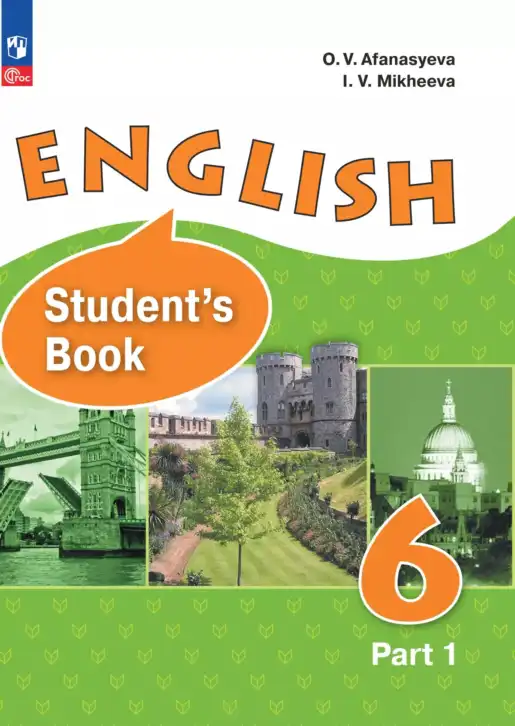
Учебник Английский язык Углубленный уровень для 6 класса от автора О.В. Афанасьевой и И.В. Михеевой – это популярное пособие, входящее в линейку УМК «Rainbow English». Он предназначен для детей, только начинающих изучать английский, и помогает сделать первые шаги в языке увлекательными и эффективными.
ГДЗ по Английскому языку 6 Класс Часть 1 Страница 58 Углубленный Уровень Афанасьева, Михеева — Подробные Ответы
Discuss these questions with your friends.
1. Do you think cars have improved life or not? Have they made people’s life at least easier?
2. Which do you think is the best way to travel — by car, by train, by plane, on a bicycle, on foot? Explain your choice.
3. If you have a lot of money, will you buy a car? Do you think it is important to have a car nowadays?
4. Is it more important to have a car if you live in the city or in the country? Why?
5. Do you agree that cars ruin the countryside, the wildlife?
Обсудите эти вопросы с друзьями. 1. Как вы думаете, автомобили улучшили жизнь или нет? Сделали ли они жизнь людей по крайней мере проще? 2. Какой, по-вашему, лучший способ путешествовать — на машине, на поезде, на самолете, на велосипеде, пешком? Объясните свой выбор. 3. Если бы у вас было много денег, вы бы купили машину? Считаете ли вы, что в наши дни важно иметь машину? 4. Важнее ли иметь машину, если вы живете в городе или в деревне? Почему? 5. Согласны ли вы, что автомобили разрушают сельскую местность и дикую природу?
Ответ:
1. Yes, I think cars have definitely made life easier. We can get to school, shops, or visit relatives much faster than before. It’s super convenient, especially when it’s raining or we have heavy bags. (Да, я думаю, машины определенно сделали жизнь проще. Мы можем добираться до школы, магазинов или навещать родственников гораздо быстрее, чем раньше. Это очень удобно, особенно когда идет дождь или у нас тяжелые сумки.)
2. For short distances, I love riding my bicycle because it’s fun and good for my health. For long trips, I think a train is the best. You can look out the window, see the country change, and even read a book or play games. It’s more relaxing than a car. (На короткие расстояния я люблю ездить на велосипеде, потому что это весело и полезно для здоровья. Для долгих поездок, я думаю, лучше всего подходит поезд. Можно смотреть в окно, видеть, как меняется страна, и даже читать книгу или играть в игры. Это более расслабляюще, чем в машине.)
3. Yes, if I had a lot of money, I would buy a car when I’m old enough. Maybe a cool electric one! I think having a car is important because it gives you freedom to go wherever you want, whenever you want. (Да, если бы у меня было много денег, я бы купил машину, когда вырасту. Может быть, какую-нибудь крутую электрическую! Я думаю, иметь машину важно, потому что это дает свободу ехать куда угодно и когда угодно.)
4. I think it’s more important to have a car in the country. In the city, there are buses, subways, and everything is usually closer. But in the countryside, places like schools or shops can be very far away, and there isn’t much public transport. So, a car is almost a necessity there. (Я думаю, что важнее иметь машину в сельской местности. В городе есть автобусы, метро, и все обычно находится ближе. А в деревне такие места, как школы или магазины, могут быть очень далеко, и общественного транспорта там мало. Так что машина там — почти необходимость.)
5. Yes, I kind of agree. The exhaust fumes from cars pollute the air, which is bad for plants and animals. Also, building more and more roads can destroy habitats for wildlife. It’s a bit sad. That’s why I think electric cars are a good idea. (Да, я в какой-то степени согласен. Выхлопные газы от машин загрязняют воздух, что вредно для растений и животных. Кроме того, строительство все новых и новых дорог может разрушать среду обитания диких животных. Это немного грустно. Поэтому я думаю, что электромобили — это хорошая идея.)
1. Do you think cars have improved life or not? Have they at least made life easier for people?
Yes, I think cars have definitely made life easier. They allow us to travel long distances quickly, whether it’s going to school, shopping, or visiting relatives. In the past, it would take much longer to do these things, especially if you were relying on walking or using public transport. Cars provide convenience, especially in situations where it’s raining or if you’re carrying heavy bags. The ability to drive makes life more flexible and saves time, which is very important in today’s fast-paced world. While they may contribute to traffic and pollution, the positives in terms of convenience are undeniable.
2. What, in your opinion, is the best way to travel — by car, train, plane, bike, or on foot? Explain your choice.
For short distances, I love riding my bicycle because it’s both fun and healthy. Cycling is not only good exercise, but it also allows you to enjoy the surroundings without the noise and pollution of a car. For longer trips, I think trains are the best option. Trains offer comfort and a relaxed environment — you can look out the window and watch the landscape change, read a book, or even play games. It’s a slower, but more comfortable experience compared to a car, and you can move around during the trip, which isn’t possible in a car. Plus, it’s more environmentally friendly than flying.
3. If you had a lot of money, would you buy a car? Do you think it’s important to have a car nowadays?
Yes, if I had a lot of money, I would definitely buy a car when I’m old enough. I might even opt for a cool electric car, which I think is the future of driving. Having a car gives you freedom to go anywhere, anytime, without having to depend on public transport. It’s a huge convenience, especially for spontaneous trips. Though a car may not always be necessary in cities with good public transport, it can be very valuable in rural areas or when traveling to places not served by public transport.
4. Is it more important to have a car if you live in a city or a village? Why?
I think it’s more important to have a car in the country. In cities, public transportation is often more accessible, and distances are shorter. You can easily use buses, trains, or subways, and most places are within walking distance. However, in the countryside, important places like schools, shops, or even hospitals may be far away, and public transport might not be available. Owning a car in rural areas becomes almost essential, as it gives you the flexibility to travel longer distances without relying on irregular or non-existent public transport services.
5. Do you agree that cars destroy the countryside and wildlife?
Yes, I partially agree. The exhaust fumes from cars do pollute the air, which affects plants and animals. The smoke and toxic gases from car emissions harm the environment by damaging the air quality. Furthermore, the constant building of new roads to accommodate more cars can destroy natural habitats, making it difficult for wildlife to survive. With the growth of cities, forests, and green spaces are often turned into roads or parking lots, leading to a loss of biodiversity. It’s sad, but this is the reality of urbanization. However, I think electric cars can be a solution to reducing air pollution and the overall environmental impact. They don’t release harmful emissions and can be a more sustainable alternative to traditional cars.
Summary of key points:
- Cars have made life easier by providing convenience and quick transportation.
- Bicycles are the best for short distances because they promote health and environmental benefits.
- Trains are great for longer trips due to comfort and relaxation.
- Owning a car is important for freedom and independence, especially in areas without reliable public transport.
- Electric cars are seen as a more sustainable solution to the environmental problems caused by traditional vehicles.
- Cars, while convenient, contribute to environmental destruction, including air pollution and the destruction of wildlife habitats.
Give it a name.
1. Something that kills people or animals if it is swallowed.
2. Not hurt, not in danger, not dangerous.
3. A place where rubbish is left.
4. Something that is used to kill or hurt people in a fight or a war.
5. A number of people who live in a place, country, etc.
6. Making water, air, atmosphere dirty and dangerous for people and animals to live in.
7. 1000 kilograms.
8. A situation where there is not enough of something.
9. Material which was used and is no longer wanted.
Дайте этому название.
1. То, что убивает людей или животных, если это проглотить.
2. Не ранен, не в опасности, не опасный.
3. Место, куда выбрасывают мусор.
4. То, что используется для убийства или причинения вреда людям в драке или на войне.
5. Количество людей, живущих в каком-либо месте, стране и т.д.
6. Загрязнение воды, воздуха, атмосферы, делающее их грязными и опасными для жизни людей и животных.
7. 1000 килограммов.
8. Ситуация, когда чего-то недостаточно.
9. Материал, который был использован и больше не нужен.
Ответ:
1. Poison — Яд
2. Safe — Безопасный
3. Dump — Свалка
4. Weapon — Оружие
5. Population — Население
6. Pollution — Загрязнение
7. Ton — Тонна
8. Shortage — Нехватка
9. Waste — Отходы
1. Something that kills people or animals if it is swallowed.
Answer: Poison
Explanation: Poison is a substance that, when ingested, can cause harm or even death to living organisms. Poisons can come in various forms such as liquids, gases, or solids, and they disrupt biological functions in harmful ways.
2. Not hurt, not in danger, not dangerous.
Answer: Safe
Explanation: «Safe» refers to a condition where there is no risk of harm or danger. If something or someone is safe, they are protected from harm or danger and in a state where they are not at risk of injury.
3. A place where rubbish is left.
Answer: Dump
Explanation: A dump is an area where waste or rubbish is disposed of. It is a designated place for dumping garbage or unwanted materials, often a large area used for the accumulation of refuse.
4. Something that is used to kill or hurt people in a fight or a war.
Answer: Weapon
Explanation: A weapon is an object or device designed to inflict harm or injury on others. Weapons are commonly used in combat situations and can include firearms, knives, explosives, and other tools intended for harm.
5. A number of people who live in a place, country, etc.
Answer: Population
Explanation: Population refers to the total number of people living in a particular area, country, or city. It can also be used to describe the number of individuals of a particular species living in a specific habitat.
6. Making water, air, atmosphere dirty and dangerous for people and animals to live in.
Answer: Pollution
Explanation: Pollution happens when harmful substances are released into the environment, leading to the contamination of natural resources like air, water, and land. This contamination makes these resources unsafe for both people and animals, causing health issues and ecological damage.
7. 1000 kilograms.
Answer: Ton
Explanation: A ton is a unit of weight equal to 1000 kilograms. It is commonly used for measuring large quantities or heavy items.
8. A situation where there is not enough of something.
Answer: Shortage
Explanation: A shortage occurs when the demand for a particular resource, service, or item exceeds the available supply. This can happen with food, water, materials, or even labor, leading to scarcity.
9. Material which was used and is no longer wanted.
Answer: Waste
Explanation: Waste refers to materials that are no longer needed after use and are discarded. This includes things like used paper, plastic, food scraps, and other discarded items.
Ask for more information.
1. They survived. 2. It was mixed. 3. It poisons them.
FOCUS
Reported Speech
Bob: «I live in London.»
Bob said he lived in London.
Jim: «I can’t swim.»
Jim said he couldn’t swim.
Nelly: «Will you help me to solve that problem?»
Nelly asked if I would help her to solve that problem.
Jane: «Where did they dump all that waste?»
Jane wanted to know where they had dumped all that waste.
Polly: «Don’t stay long in the direct sunlight, Caroline.»
Polly told Caroline not to stay long in the direct sunlight.
Mary: «Look at the rainbow, John!»
Mary asked John to look at the rainbow.
Запросите дополнительную информацию.
- Они выжили. 2. Все было смешано. 3. Это отравляет их.
Ответы:
- Who survived? How did they survive? Where did they survive? Who or what helped them to survive?
- What was mixed? Why was it mixed? Who mixed it? What was it mixed with?
- What poisons them? In what way does it poison them? Why does it poison them?
Перевод
- Кто выжил? Как они выжили? Где они выжили? Кто или что помогло им выжить?
- Что было смешано? Почему это было смешано? Кто его смешал? С чем это было смешано?
- Что их отравляет? Каким образом это их отравляет? Почему это их отравляет? Где это их отравляет?
Косвенная Речь
Боба: «Я живу в Лондоне». Боб сказал, что он живет в Лондоне.
Джим: «Я не умею плавать». Джим сказал, что не умеет плавать.
Нелли: «Ты поможешь мне решить эту проблему?»
Нелли спросила, не помогу ли я ей решить эту проблему.
Джейн: «Куда они свалили все эти отходы?»
Джейн хотела знать, куда они свалили все эти отходы.
Полли: «Не оставайся долго под прямыми солнечными лучами, Кэролайн».
Полли посоветовала Кэролайн не оставаться надолго под прямыми солнечными лучами.
Мэрри: «Посмотри на радугу, Джон!»
Мэрри попросила Джона посмотреть на радугу.
1. Кто выжили? Как они выжили? Где они выжили? Кто или что помогло им выжить?
Вопросы:
- Who survived? (Кто выжил?)
- How did they survive? (Как они выжили?)
- Where did they survive? (Где они выжили?)
- Who or what helped them to survive? (Кто или что помогло им выжить?)
Объяснение:
Эти вопросы уточняют детали выживания людей. Кто именно выжил, какие условия были для их выживания, в каком месте они находились, и кто или что помогло им пережить сложные ситуации, например, помощь других людей, природные факторы или использованные ресурсы.
2. Что было смешано? Почему это было смешано? Кто его смешал? С чем это было смешано?
Вопросы:
- What was mixed? (Что было смешано?)
- Why was it mixed? (Почему это было смешано?)
- Who mixed it? (Кто его смешал?)
- What was it mixed with? (С чем это было смешано?)
Объяснение:
Эти вопросы касаются процесса смешивания чего-то, например, веществ или материалов. Мы уточняем, что конкретно было смешано, для чего это было сделано, кто это сделал, и с каким другим веществом или элементом это было смешано. Это могут быть вещества, продукты или химические реакции.
3. Что их отравляет? Каким образом это их отравляет? Почему это их отравляет? Где это их отравляет?
Вопросы:
- What poisons them? (Что их отравляет?)
- In what way does it poison them? (Каким образом это их отравляет?)
- Why does it poison them? (Почему это их отравляет?)
- Where does it poison them? (Где это их отравляет?)
Объяснение:
Здесь важно понять, какой фактор или вещество является причиной отравления. Какие это вещества или явления, как именно они влияют на организм, почему они опасны, и в каких местах или условиях происходит это отравление. Это могут быть химические вещества, загрязнение воздуха или воды, неправильное использование пищи и т.д.
Косвенная речь:
Примеры косвенной речи, которые представлены в тексте:
- Боба: «Я живу в Лондоне». — Боб сказал, что он живет в Лондоне.
- Джим: «Я не умею плавать». — Джим сказал, что не умеет плавать.
- Нелли: «Ты поможешь мне решить эту проблему?» — Нелли спросила, не помогу ли я ей решить эту проблему.
- Джейн: «Куда они свалили все эти отходы?» — Джейн хотела знать, куда они свалили все эти отходы.
- Полли: «Не оставайся долго под прямыми солнечными лучами, Кэролайн». — Полли посоветовала Кэролайн не оставаться надолго под прямыми солнечными лучами.
- Мэрри: «Посмотри на радугу, Джон!» — Мэрри попросила Джона посмотреть на радугу.
Объяснение:
Косвенная речь используется для того, чтобы передать чьи-то слова, не цитируя их дословно. Когда мы передаем чьи-то слова в косвенной речи, изменяются местоимения, время глаголов и структура предложения. Например:
- Прямое высказывание: «Я не умею плавать».
- Косвенная речь: Джим сказал, что не умеет плавать.
Таким образом, вопросы, касающиеся экологических проблем, и использование косвенной речи являются важными для понимания проблем, обсуждаемых в тексте, а также способов, как мы можем говорить о них в разных контекстах.

Оставь свой отзыв 💬
Комментариев пока нет, будьте первым!