


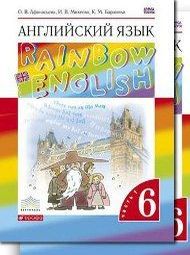
Учебник Английский язык Углубленный уровень для 6 класса от автора О.В. Афанасьевой и И.В. Михеевой – это популярное пособие, входящее в линейку УМК «Rainbow English». Он предназначен для детей, только начинающих изучать английский, и помогает сделать первые шаги в языке увлекательными и эффективными.
ГДЗ по Английскому языку 6 Класс Часть 1 Страница 25 Углубленный Уровень Афанасьева, Михеева — Подробные Ответы
Some people say that those who live in a cold climate differ from those who live in hot countries. Do you believe it? If you do, say in what way they can be different. Think of their appearance and their habits, likes and dislikes.
eat more — eat less
eat more spices — eat less spices
are more active — are more quiet
are more sensible1 — are less sensible
are reserved2 — are not reserved
are fond of bright colours — dislike very bright colours
Некоторые утверждают, что люди, живущие в холодных и жарких климатах, могут существенно отличаться друг от друга. Вы согласны с этим? Если да, то в чем именно эти различия могут проявляться? Рассмотрим их внешность, привычки и предпочтения.
Ответ:
Yes, I think that people from cold and hot climates can have distinct characteristics. In terms of appearance, individuals from colder regions often have lighter skin, while those from warmer areas usually have darker skin, which helps protect them from the sun’s rays. When it comes to lifestyle, people living in colder climates tend to consume more food for energy to keep warm. On the other hand, people in hotter regions typically use more spices in their cooking to help regulate body temperature. Moreover, people from colder climates might be more introverted and reserved, possibly due to spending more time indoors during the long, harsh winters. In contrast, people from warmer climates are generally more open and social. As for preferences, those from sunny, hot countries are more likely to favor bright, vibrant colors in their clothing, whereas individuals from colder regions might prefer darker, more practical hues that are better suited to their environment.
Да, я считаю, что люди из холодных и жарких климатов действительно могут значительно различаться. Например, с точки зрения внешности, люди из холодных регионов часто имеют более светлую кожу, в то время как жители жарких стран обычно имеют более тёмную кожу, что помогает защитить их от солнечного воздействия. Что касается образа жизни, то люди, живущие в холодных климатах, потребляют больше пищи для того, чтобы сохранить тепло. В то время как жители тёплых стран часто используют больше специй в своей пище для терморегуляции. Я также думаю, что люди из холодных стран могут быть более замкнутыми и сдержанными, возможно, потому что они проводят больше времени в помещениях во время долгих зим. Напротив, люди из жарких стран, как правило, более открыты и общительны. Что касается предпочтений, то жители солнечных, жарких стран чаще выбирают яркие и насыщенные цвета в одежде, в то время как жители холодных регионов могут предпочитать более тёмные, практичные оттенки, которые лучше соответствуют их климату.
Некоторые утверждают, что люди, живущие в холодных и жарких климатах, могут существенно отличаться друг от друга. Я согласен с этим утверждением, так как климат может оказывать влияние на внешность, образ жизни и предпочтения людей. Давайте рассмотрим эти различия подробнее.
Ответ:
Yes, I believe that people from cold and hot climates can have noticeable differences. These differences are not only related to appearance but also to habits, preferences, and even social behavior. Let’s dive deeper into these aspects.
- Appearance
People living in colder climates often have lighter skin, which is an adaptation to the lack of sunlight. Lighter skin allows for more efficient production of vitamin D when exposed to the sun. On the other hand, people in hot climates generally have darker skin, which provides better protection against the harmful effects of UV rays. This darker skin helps prevent sunburn and skin cancer, which are more common in regions with intense sun exposure.
Люди, живущие в холодных климатах, обычно имеют более светлую кожу, что является адаптацией к дефициту солнечного света. Светлая кожа позволяет более эффективно вырабатывать витамин D при солнечном свете. Напротив, люди в жарких странах обычно имеют более тёмную кожу, что обеспечивает лучшую защиту от вредных ультрафиолетовых лучей. Такая кожа помогает предотвратить солнечные ожоги и рак кожи, что более характерно для регионов с интенсивным солнечным излучением. - Habits
People from cold regions often need to consume more calories to keep their bodies warm during the long, harsh winters. Therefore, they may have a diet rich in fats and proteins to provide extra energy. They are also more likely to engage in indoor activities during winter months, such as reading, socializing, or working.
On the contrary, people from hotter regions tend to have lighter diets with more fruits, vegetables, and spicy foods. The use of spices can help regulate body temperature and add flavor to food. In warmer climates, outdoor activities are more common, as the weather allows people to enjoy nature, sports, and social gatherings year-round.
Люди из холодных регионов часто нуждаются в большем количестве калорий, чтобы поддерживать тепло в организме в течение длинных, суровых зим. Поэтому их рацион обычно включает больше жиров и белков для дополнительной энергии. Также в зимние месяцы они более склонны к занятиям в помещении, таким как чтение, общение или работа.
Напротив, жители жарких стран обычно предпочитают более лёгкую пищу, включая много фруктов, овощей и острых блюд. Использование специй помогает регулировать температуру тела и придаёт пище особенный вкус. В тёплых регионах более популярны активные занятия на свежем воздухе, такие как спорт и социальные встречи, так как погодные условия позволяют наслаждаться природой круглый год. - Social Behavior
The social behavior of people can also be influenced by climate. Those from colder regions, where the winters are long and harsh, tend to be more introverted and reserved. The extended indoor time may encourage a more private and introspective nature. This can lead to people having a smaller, closer circle of friends and maintaining more personal space.
In contrast, people from hot climates are generally more open and sociable. The warm weather encourages outdoor gatherings, festivals, and communal activities, fostering a culture of hospitality and social interaction. People from these regions are often more relaxed and less formal in their behavior.
Социальное поведение также может быть связано с климатом. Люди из холодных регионов, где зимы длинные и суровые, часто бывают более замкнутыми и сдержанными. Долгое времяпрепровождение в помещениях может способствовать более закрытому и интроспективному характеру. Это может привести к тому, что у таких людей меньше, но более близкие друзья, и они предпочитают больше личного пространства.
Напротив, жители жарких стран обычно более открыты и общительны. Тёплая погода способствует организации встреч на свежем воздухе, фестивалей и коллективных мероприятий, что создаёт культуру гостеприимства и социального взаимодействия. Люди из этих регионов, как правило, более расслаблены и менее формальны в своём поведении. - Preferences in Clothing
Preferences in clothing are also influenced by the climate. People living in cold climates need to wear warmer clothes, such as coats, scarves, and gloves, to protect themselves from the cold. Their clothes are often designed to be functional, with an emphasis on warmth and comfort. The colors tend to be darker and more neutral, as these colors absorb heat and are easier to maintain during snowy and rainy conditions.
On the other hand, people from hotter climates prefer light, breathable clothing to stay cool. Clothing in these regions is often made from materials like cotton or linen to allow air circulation and prevent overheating. Bright, vibrant colors are more common in these regions, reflecting the lively, energetic atmosphere of sunny environments.
Предпочтения в одежде также зависят от климата. Люди, живущие в холодных регионах, должны носить тёплую одежду, такую как пальто, шарфы и перчатки, чтобы защититься от холода. Их одежда обычно более функциональна, с акцентом на тепло и комфорт. Цвета чаще всего тёмные и нейтральные, так как такие оттенки лучше поглощают тепло и легче чистятся в условиях снега и дождя.
Напротив, люди из жарких регионов предпочитают лёгкую, дышащую одежду, чтобы сохранять прохладу. В этих странах одежда часто изготавливается из таких материалов, как хлопок или лен, которые обеспечивают циркуляцию воздуха и предотвращают перегрев. Яркие, насыщенные цвета более характерны для этих регионов, отражая живую и энергичную атмосферу солнечных стран.
Таким образом, климат оказывает глубокое влияние на людей, и это выражается не только в их внешности, но и в привычках, поведении, а также в предпочтениях, касающихся пищи и одежды.
Spell the transcribed words of ex. 7.
Напишите слова в транскрипции из упражнения 7.
Ответы:
shower – /ˈʃaʊə/ – грибной дождик
expect – /ɪkˈspekt/ – ожидать
misty – /ˈmɪsti/ – туманный
rainbow – /ˈreɪnboʊ/ – радуга
forecast – /ˈfɔːkɑːst/ – прогноз, предсказывать погоду, прогнозировать
barometer – /bəˈrɒmɪtə/ – барометр
calm – /kɑːm/ – тихий, спокойный
rainstorm – /ˈreɪnstɔːm/ – ливень
daily – /ˈdeɪli/ – ежедневный
- shower – /ˈʃaʊə/ – грибной дождик
Это слово имеет несколько значений, одно из которых — кратковременный дождь, обычно небольшой по интенсивности. В контексте «грибной дождик» оно может означать дождь, который приносит влагу для роста грибов. - expect – /ɪkˈspekt/ – ожидать
Глагол «expect» означает предсказывать или надеяться на что-то в будущем. Например, если вы ожидаете, что пойдет дождь, вы используете это слово, чтобы выразить свое предсказание. - misty – /ˈmɪsti/ – туманный
Прилагательное, которое описывает погодные условия с низким облачным покровом, когда видимость затруднена из-за тумана. Например, в туманном городе часто бывает трудно увидеть вдаль. - rainbow – /ˈreɪnboʊ/ – радуга
Это природное явление, которое возникает, когда солнечные лучи преломляются через капли воды в воздухе, создавая разноцветную дугу. Радуга появляется после дождя, когда солнце снова выходит. - forecast – /ˈfɔːkɑːst/ – прогноз, предсказывать погоду, прогнозировать
Глагол или существительное, означающее предсказание будущих погодных условий. Метеорологи составляют прогнозы, чтобы сообщить людям о предстоящей погоде. - barometer – /bəˈrɒmɪtə/ – барометр
Прибор, используемый для измерения атмосферного давления, часто используется для определения изменений в погодных условиях, таких как приближающийся шторм. - calm – /kɑːm/ – тихий, спокойный
Прилагательное, описывающее спокойные условия, такие как спокойное море или мирная погода, когда нет сильного ветра и бурь. - rainstorm – /ˈreɪnstɔːm/ – ливень
Это сильный и часто продолжительный дождь, который сопровождается порывами ветра. Ливни могут быть кратковременными, но интенсивными, приносящими значительное количество осадков. - daily – /ˈdeɪli/ – ежедневный
Прилагательное, которое описывает что-то, происходящее каждый день, например, ежедневный прогноз погоды.
Эти слова, относящиеся к погодным явлениям, имеют важное значение для описания и понимания окружающей среды.
Do ex. 6, ex. 8, ex. 9 in writing.
Сделайте упр. 6, упр. 8, упр. 9 письменно.
Ответы:
Упр. 6
I) have never been; lived; have you ever been; stayed; enjoyed
II) have just seen; haven’t finished; explained; have lost; haven’t found; have never done; haven’t written; have only written; were
I
Steve: I have never been to Russia.
Barbara: I lived in Moscow for a month last year.
Steve: Have you ever been to St. Petersburg?
Barbara: No, but a friend of mine stayed there for a week two years ago. He enjoyed it very much.
II
Kate: I have just seen Mr. Jackson. He is angry because you haven’t finished your translation yet.
Here is the extracted text from the provided image:
Unit 2
Упр. 8
- Sam is tired because he has been riding a bike for half an hour and has ridden 3 miles.
- Mary is tired because she has been doing the shopping since morning and has bought a lot of food.
- Bill is tired because he has been reading detective stories for a week and has read 2 stories.
- Sally is tired because she has been making pancakes since 3 o’clock and has made 50 big pancakes.
- Roy is tired because he has been watching videos for five hours and has seen 2 films.
- Jack is tired because he has been training since August and has thrown the ball 100 metres.
- Sarah is tired because she has been washing up for an hour and has broken a few plates.
- The children are tired because they have been planting flowers since breakfast and have planted a lot of primroses.
Перевод:
- Сэм устал, потому что он полчаса катался на велосипеде и проехал 3 мили.
- Мэри устала, потому что с утра ходила по магазинам и купила много еды.
- Билл устал, потому что он неделю читал детективные рассказы и прочитал 2 истории.
- Салли устала, потому что с 3 часов она готовит блины и уже приготовила 50 больших блинов.
- Рой устал, потому что он смотрел видео 5 часов и посмотрел 2 фильма.
- Джек устал, потому что он тренируется с августа и бросил мяч на 100 метров.
- Сара устала, потому что она мыла посуду час и разбила несколько тарелок.
- Дети устали, потому что они с утра сажают цветы и посадили много примул.
Упр. 9
- – Hello, Jack. How long have you been here? – For three days. I came here last Thursday.
- – When and where did you buy this dress? – I bought it in Moscow, but I don’t remember in what shop. I have had it for a half a year.
- – It has been raining since morning. I started at nine and hasn’t finished yet. – What a pity!
- We have been waiting for Victor for fifteen minutes. Where has he gone? The match has already started.
- – How long have you known Jones? – I have known him for three years. He has been teaching English since 2002.
Упражнение 6:
I) have never been; lived; have you ever been; stayed; enjoyed
II) have just seen; haven’t finished; explained; have lost; haven’t found; have never done; haven’t written; have only written; were
I.
Steve: I have never been to Russia.
Barbara: I lived in Moscow for a month last year.
Steve: Have you ever been to St. Petersburg?
Barbara: No, but a friend of mine stayed there for a week two years ago. He enjoyed it very much.
II.
Kate: I have just seen Mr. Jackson. He is angry because you haven’t finished your translation yet.
Ian: But I explained everything only an hour ago. I have lost my dictionary and haven’t found it yet.
Kate: I have never done a written translation before. Is it difficult?
Ian: I haven’t written many. In fact, I have only written two, and they were rather easy.
Упражнение 8:
- Sam is tired because he has been riding a bike for half an hour and has ridden 3 miles.
Сэм устал, потому что он полчаса катался на велосипеде и проехал 3 мили. - Mary is tired because she has been doing the shopping since morning and has bought a lot of food.
Мэри устала, потому что с утра ходила по магазинам и купила много еды. - Bill is tired because he has been reading detective stories for a week and has read 2 stories.
Билл устал, потому что он неделю читал детективные рассказы и прочитал 2 истории. - Sally is tired because she has been making pancakes since 3 o’clock and has made 50 big pancakes.
Салли устала, потому что с 3 часов она готовит блины и уже приготовила 50 больших блинов. - Roy is tired because he has been watching videos for five hours and has seen 2 films.
Рой устал, потому что он смотрел видео 5 часов и посмотрел 2 фильма. - Jack is tired because he has been training since August and has thrown the ball 100 metres.
Джек устал, потому что он тренируется с августа и бросил мяч на 100 метров. - Sarah is tired because she has been washing up for an hour and has broken a few plates.
Сара устала, потому что она мыла посуду час и разбила несколько тарелок. - The children are tired because they have been planting flowers since breakfast and have planted a lot of primroses.
Дети устали, потому что они с утра сажают цветы и посадили много примул.
Упражнение 9:
- – Hello, Jack. How long have you been here? – For three days. I came here last Thursday.
– Привет, Джек. Как долго ты здесь? – Три дня. Я приехал сюда в прошлый четверг. - – When and where did you buy this dress? – I bought it in Moscow, but I don’t remember in what shop. I have had it for a half a year.
– Когда и где ты купила это платье? – Я купила его в Москве, но не помню, в каком магазине. Оно у меня уже полгода. - – It has been raining since morning. I started at nine and hasn’t finished yet. – What a pity!
– Дождь идет с утра. Я начал в 9, а еще не закончил. – Как жаль! - We have been waiting for Victor for fifteen minutes. Where has he gone? The match has already started.
Мы ждали Виктора 15 минут. Куда он ушел? Матч уже начался. - – How long have you known Jones? – I have known him for three years. He has been teaching English since 2002.
– Как давно ты знаешь Джонса? – Я знаю его три года. Он преподает английский с 2002 года.
Write what people have already done and what they haven’t done yet.
Example: Steve has already bought a new bike but he hasn’t ridden on it yet.
| already | not yet | |
|---|---|---|
| 1. Steve | to buy a bike | to ride a bike |
| 2. Jane and Pat | to wash the dishes | to dry them |
| 3. Ian | to take the books from the library | to read the books |
| 4. Jeff and Paul | to build a cottage | to paint it |
| 5. Chris | to write a short story | to type it up |
| 6. Monica and Barbara | to see the famous actress | to speak to her |
| 7. Fred | to cook breakfast | to have it |
- Steve has bought a new bicycle, but he hasn’t had a chance to ride it yet. / Стив купил новый велосипед, но пока не катался на нем.
- Jane and Pat have finished washing the dishes, but they haven’t wiped them off yet. / Джейн и Пэт уже вымыли посуду, но еще не вытерли ее.
- Ian has picked up the books from the library, but he hasn’t started reading them yet. / Иэн забрал книги из библиотеки, но еще не начал их читать.
- Jeff and Paul have constructed a cottage, but they haven’t painted it yet. / Джефф и Пол построили коттедж, но еще не покрасили его.
- Chris has written a short story, but he hasn’t typed it yet. / Крис написал короткий рассказ, но еще не напечатал его.
- Monica and Barbara have met the famous actress, but they haven’t had a conversation with her yet. / Моника и Барбара встретили знаменитую актрису, но еще не поговорили с ней.
- Fred has prepared breakfast, but he hasn’t eaten it yet. / Фред приготовил завтрак, но еще не позавтракал.
Here’s the completed task with detailed explanations:
- Steve
Already: Steve has already bought a bike.
Not Yet: He hasn’t ridden on it yet.
Explanation: Steve purchased a new bike, but he hasn’t had the chance to ride it yet. - Jane and Pat
Already: Jane and Pat have already washed the dishes.
Not Yet: They haven’t dried them yet.
Explanation: Jane and Pat completed washing the dishes, but they still need to dry them. - Ian
Already: Ian has already taken the books from the library.
Not Yet: He hasn’t read the books yet.
Explanation: Ian got the books from the library, but he hasn’t started reading them yet. - Jeff and Paul
Already: Jeff and Paul have already built a cottage.
Not Yet: They haven’t painted it yet.
Explanation: Jeff and Paul have finished constructing the cottage, but they haven’t painted it yet. - Chris
Already: Chris has already written a short story.
Not Yet: He hasn’t typed it up yet.
Explanation: Chris has written the short story but hasn’t typed it on a computer or prepared a final draft yet. - Monica and Barbara
Already: Monica and Barbara have already seen the famous actress.
Not Yet: They haven’t spoken to her yet.
Explanation: Monica and Barbara met the famous actress, but they haven’t had a conversation with her yet. - Fred
Already: Fred has already cooked breakfast.
Not Yet: He hasn’t had it yet.
Explanation: Fred prepared breakfast but hasn’t eaten it yet.
Pete and his parents came to London from Moscow a week ago (on the 12th of September). Write sentences about Pete. Use Present Perfect and Present Perfect Continuous.
Example: Pete has been shopping for a few days. He has bought a lot of souvenirs.
1. to stay at a hotel;
2. to shop for a few days;
3. to live in London since September;
4. to be in London for a week;
5. to travel about the city;
6. to see a lot of interesting places;
7. to visit the Tower;
8. to have a boat trip on the Thames;
9. to buy a lot of souvenirs;
10. to meet a lot of English people;
11. to walk the streets of London;
12. to take pictures of London.
Пит и его родители приехали в Лондон из Москвы неделю назад (12-го сентября). Напишите предложения о Пите. Используйте Present Perfect и Present Perfect Continuous.
Ответ:
1. He has been staying at a hotel. — Он живет в отеле.
2. He has been shopping for a few days. — Он ходит по магазинам уже несколько дней.
3. He has been living in London since September. — Он живет в Лондоне с сентября.
4. He has been in London for a week. — Он находится в Лондоне уже неделю.
5. He has been travelling about the city. — Он путешествует по городу.
6. He has seen a lot of interesting places. — Он увидел много интересных мест.
7. He has visited the Tower. — Он посетил Тауэр.
8. He has had a boat trip on the Thames. — Он совершил лодочную прогулку по Темзе.
9. He has bought a lot of souvenirs. — Он купил много сувениров.
10. He has met a lot of English people. — Он встретил много англичан.
11. He has been walking the streets of London. — Он гуляет по улицам Лондона.
12. He has been taking pictures of London. — Он фотографирует Лондон.
- He has been staying at a hotel.
(Он живет в отеле.)
Explanation: This sentence is in the Present Perfect Continuous tense because it emphasizes the ongoing nature of his stay at the hotel. He is still staying there. - He has been shopping for a few days.
(Он ходит по магазинам уже несколько дней.)
Explanation: Present Perfect Continuous is used to show the duration of the action — he has been shopping for a few days, and it’s still ongoing. - He has been living in London since September.
(Он живет в Лондоне с сентября.)
Explanation: This sentence uses the Present Perfect Continuous tense to emphasize the duration of his stay in London, starting in September and continuing to the present. - He has been in London for a week.
(Он находится в Лондоне уже неделю.)
Explanation: Present Perfect is used here to emphasize the period of time (a week) that he has already spent in London. - He has been travelling about the city.
(Он путешествует по городу.)
Explanation: The Present Perfect Continuous tense highlights that his travel around the city has been an ongoing activity, and it’s still happening. - He has seen a lot of interesting places.
(Он увидел много интересных мест.)
Explanation: Present Perfect is used here because the action of seeing interesting places has been completed at some point in the past but still has relevance to the present. - He has visited the Tower.
(Он посетил Тауэр.)
Explanation: This sentence is in Present Perfect because it indicates a completed action — he has visited the Tower at some point during his time in London. - He has had a boat trip on the Thames.
(Он совершил лодочную прогулку по Темзе.)
Explanation: Present Perfect is used to highlight that the boat trip happened in the past but has significance to the present. - He has bought a lot of souvenirs.
(Он купил много сувениров.)
Explanation: The action of buying souvenirs is completed, and the Present Perfect tense connects this action with the present moment, implying he still has them. - He has met a lot of English people.
(Он встретил много англичан.)
Explanation: Present Perfect shows that the action of meeting English people has been completed at some point during his time in London. - He has been walking the streets of London.
(Он гуляет по улицам Лондона.)
Explanation: Present Perfect Continuous emphasizes the ongoing action of walking the streets of London, with the implication that he is still doing so. - He has been taking pictures of London.
(Он фотографирует Лондон.)
Explanation: Present Perfect Continuous is used to show that he has been taking pictures over a period of time and is likely still engaged in this activity.

Оставь свой отзыв 💬
Комментариев пока нет, будьте первым!